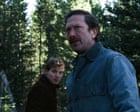
Andrew Haigh’s new film, ‘A Long Winter,’ centers on a remote Colorado farmstead in the early 1950s where a mother is missing and the family waits out the winter. Reviewers describe an atmosphere of unease and isolation, with the story unfolding as the after-effects of a disappearance affect the people left behind.
All outlets say the film is adapted by Haigh from Colm Tóibín’s novella and transposes the setting to the wintry Rocky Mountains. The Guardian notes the relocation from the Pyrenees to Colorado around the time of the Korean War and frames the film as a study of grief and desire, including the loneliness of men without women. The Hollywood Reporter highlights the cast and the “fine-grained” depiction of family members drawn into difficult confinement.
Variety and IndieWire both characterize the film’s mood and restraint, with Variety calling it moody and austere yet immersive, and IndieWire saying it is meticulously crafted but sometimes too restrained. The reviews also converge on strong performances by Fred Hechinger and Ebon Moss-Bachrach, with additional praise for cinematography and the film’s period details.