


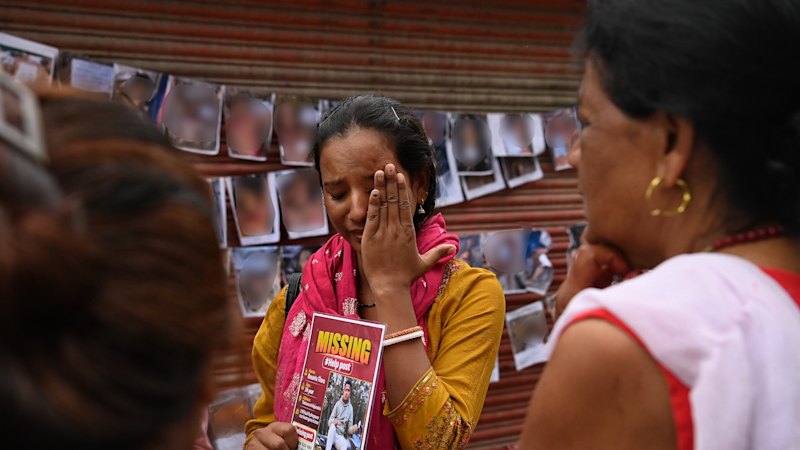
Families in Kathmandu search hospitals after Nepal’s devastating flooding, and when that search does not produce results, morgues become the next place to look for answers. Across reports, the same experience is described: the process can be distressing, beginning with overwhelming conditions and moving to the moment officials or families can view remains and records.
The articles frame the morgue as offering either closure or hope for families unable to find missing relatives during the immediate aftermath of the disaster. They describe how identification efforts rely on access to bodies and documentation, and how this can become a final checkpoint when hospital records and inquiries fail to locate someone.
While the outlets use vivid, descriptive language to convey the emotional impact of the morgue visit, they generally align on the basic storyline: the flood disaster leaves some families without clear information, and morgues in Kathmandu play a crucial role in determining whether missing people can be identified. The accounts focus less on policy or investigation and more on the human experience of waiting for confirmation, with differing emphasis mainly on tone and detail.


