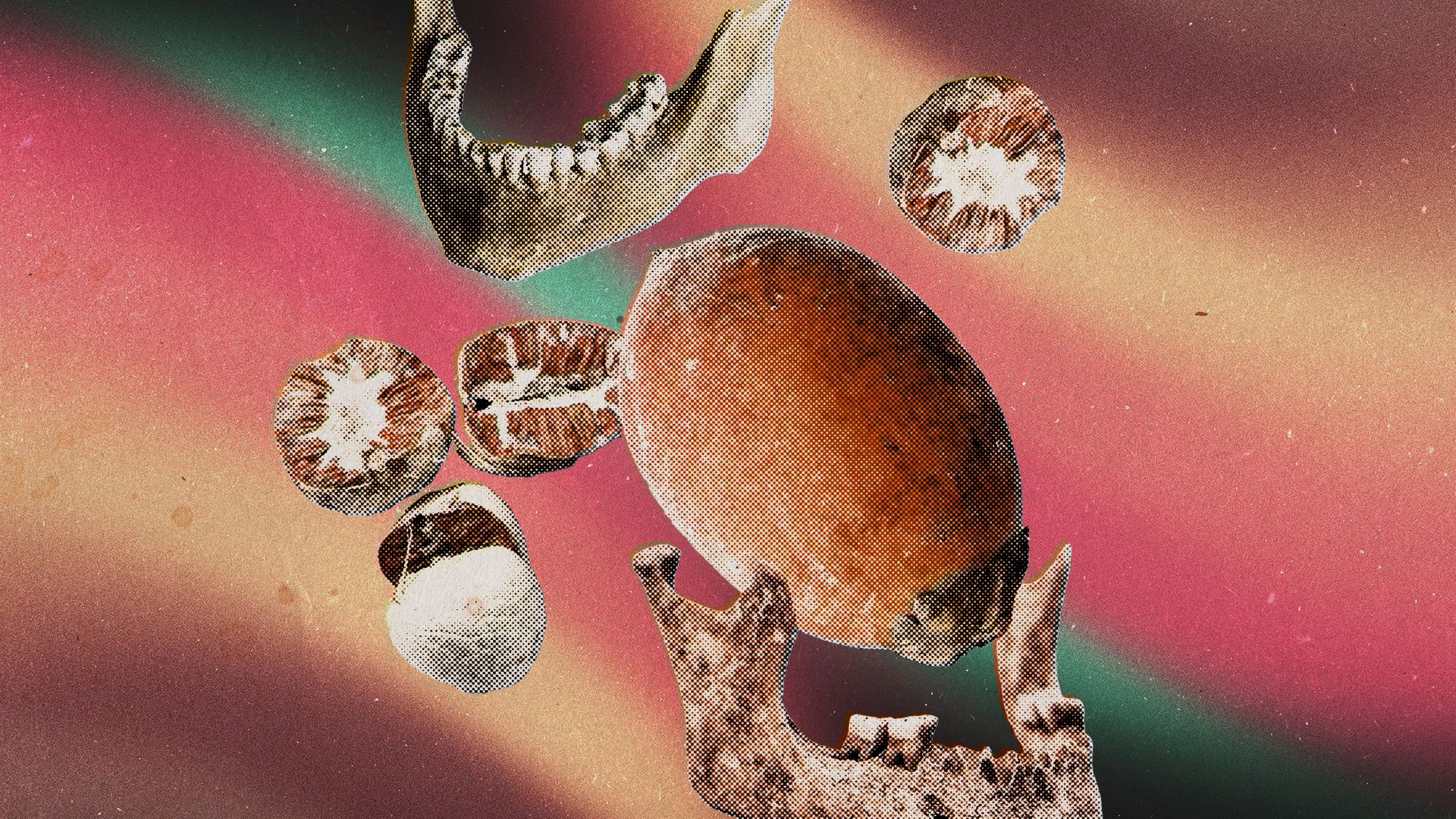
Researchers analyze exceptionally rare human remains from Sulawesi, Indonesia, and report evidence that people used betel nut (areca nut) for its psychoactive compound, arecoline, at least 25,000 years ago. The study identifies distinct tooth wear consistent with repeated sucking of hard, abrasive nuts and finds traces of arecoline in the individuals’ teeth.
Sources describe this as among the earliest known evidence of probable habitual drug use anywhere in the world. Several outlets focus on the age of the remains and the chemical findings, while others emphasize the behavioral implication: the dental wear pattern suggests regular use rather than a one-off exposure. Some coverage also discusses possible motivation, such as using the substance to soothe toothaches, alongside the potential for long-term dental damage from prolonged use. A minority of reports frame the work more strongly as evidence of addiction, but the underlying findings across outlets remain the same: tooth wear plus detected psychoactive traces linked to betel nut, from late Pleistocene hunter-gatherers.