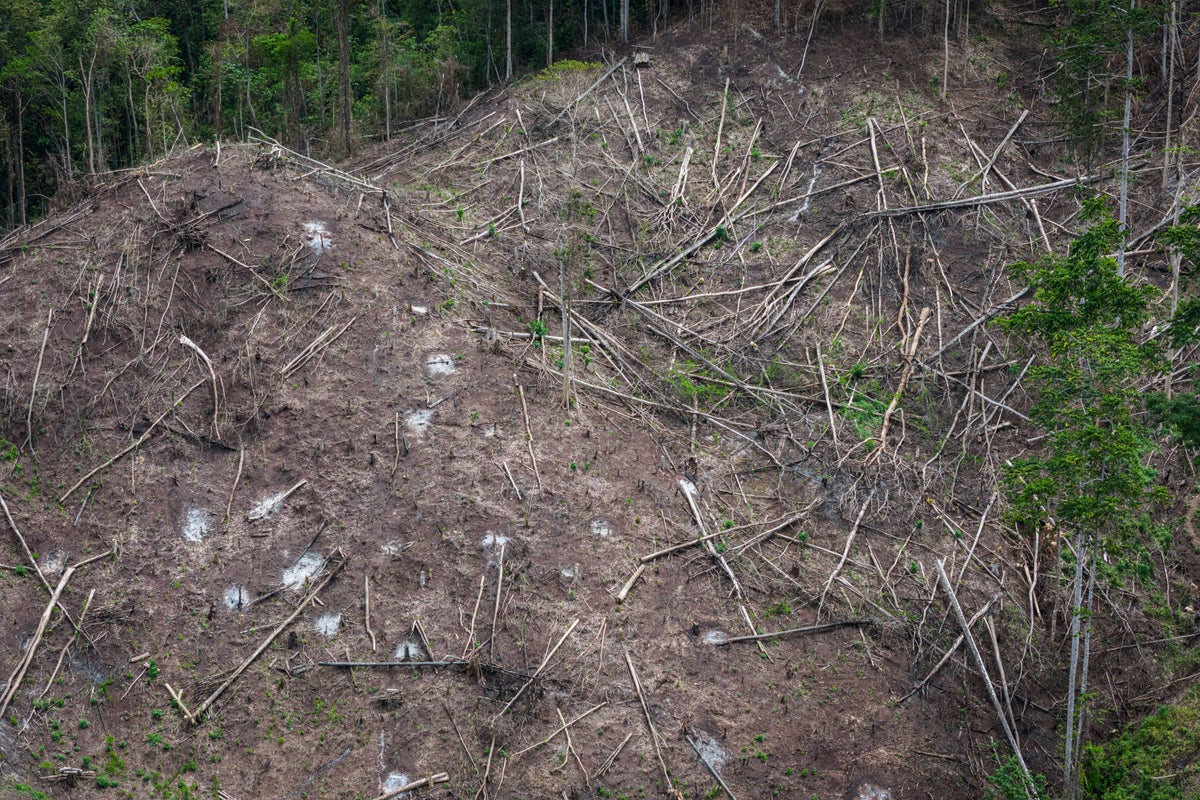
Japan’s growing biomass energy demand is linked to increased wood-pellet and wood-chip production in Indonesia, and a new satellite-based analysis warns this expansion is increasing pressure on forests, biodiversity sites, and Indigenous territories. The findings point to ongoing deforestation associated with the wood pellet and chip supply chain.
The analysis, conducted by Indonesia-based non-governmental organizations using satellite imagery, focuses on areas identified as “Key Biodiversity Areas” and on lands used or claimed by Indigenous communities. It concludes that forest loss continues as industrial demand rises, with potential impacts extending beyond logging and plantations into higher-biodiversity tropical ecosystems.
While both outlets report the same core conclusion—that expansion tied to Indonesia’s pellet and chip industry is contributing to further deforestation—the articles differ in emphasis. The Winnipeg Free Press centers the story on Japan’s biomass energy boom and its implications for Indonesian forest cover. The Independent stresses the broader environmental and social risks highlighted by the satellite study, including effects on biodiversity hotspots and Indigenous territories.