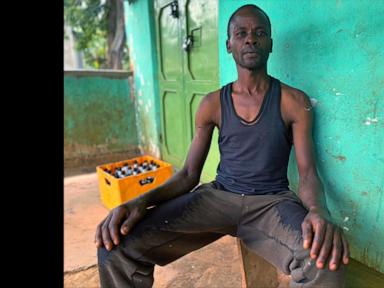
In parts of Africa, people known locally as “rainmakers” say they are increasingly targeted by farmers who blame them for failing to deliver rain. Multiple outlets describe cases where rainmaking practitioners face intimidation or violence when rains do not arrive as expected, especially during periods of drought.
The reporting places the issue in the context of climate change and worsening weather variability, which intensifies pressure on communities dependent on rain-fed agriculture. Rainmakers are described as spiritual and social figures who perform rituals intended to prompt rainfall and seek relief from dry conditions. When rainfall does not follow these practices, some farmers respond by turning on the practitioners, viewing them as responsible for the continued lack of water.
While the outlets share the core account—rainmakers as traditional spiritual leaders and reports of violence by farmers during drought—their emphasis differs slightly. Some focus more on the role rainmakers play within community life, while others highlight the broader climate stressors that increase the frequency and severity of drought conditions.