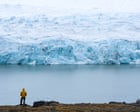
Satellites track that Greenland and Antarctica have lost more than 12 trillion tons (about 11.3 trillion metric tons) of ice since 1979, according to a major scientific report published in *Scientific Data*. Multiple outlets cite the study’s estimate of roughly 12.5 trillion tons over the 47-year period.
The reporting describes accelerating ice loss beginning in the 1990s. Outlets also emphasize that warmer ocean water is a key driver: the melt is attributed mainly to oceans eroding the ice sheets from below and the sides, rather than to hotter air alone. Several stories note that warm-water-driven basal melting destabilizes ice and increases the rate at which glaciers flow into the sea.
While the core figures are consistent, some outlets focus more on the amount of ice lost, others on the mechanism. One outlet also includes additional context on potential sea-level rise and links between sea-level change and flooding exposure, while most highlight the satellite-based measurement and the study’s conclusions about the roles of ocean versus atmosphere.