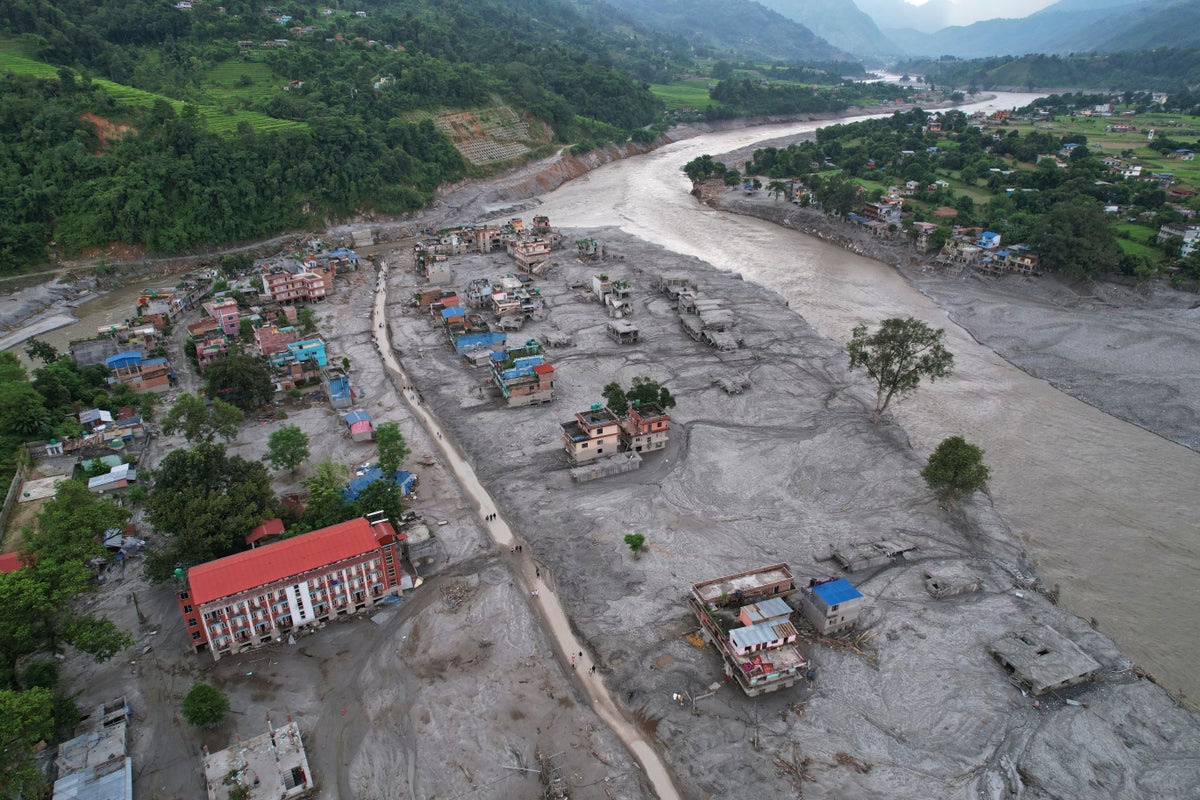
A glacier and rock collapse in Nepal last month kills people as a large mass of ice and boulders breaks away. An analysis discussed by multiple outlets says the event was made more likely by human-caused climate change.
The reporting attributes part of the risk increase to warming that affects the region’s permafrost and ground stability in the Himalayas. As permafrost thaws, slopes and ice structures can become less stable, potentially increasing the chance of glacier-related and rockfall-type failures.
Both sources describe the same core finding: that climate change is assessed as contributing to the conditions under which such a disaster can occur. They differ mainly in outlet framing and wording rather than in the underlying explanation, with each pointing to warming-driven thawing as a key factor behind increased hazard. The analyses cited do not replace official incident details, but they offer a climate attribution perspective on why the collapse may have been more likely than it would have been without warming.