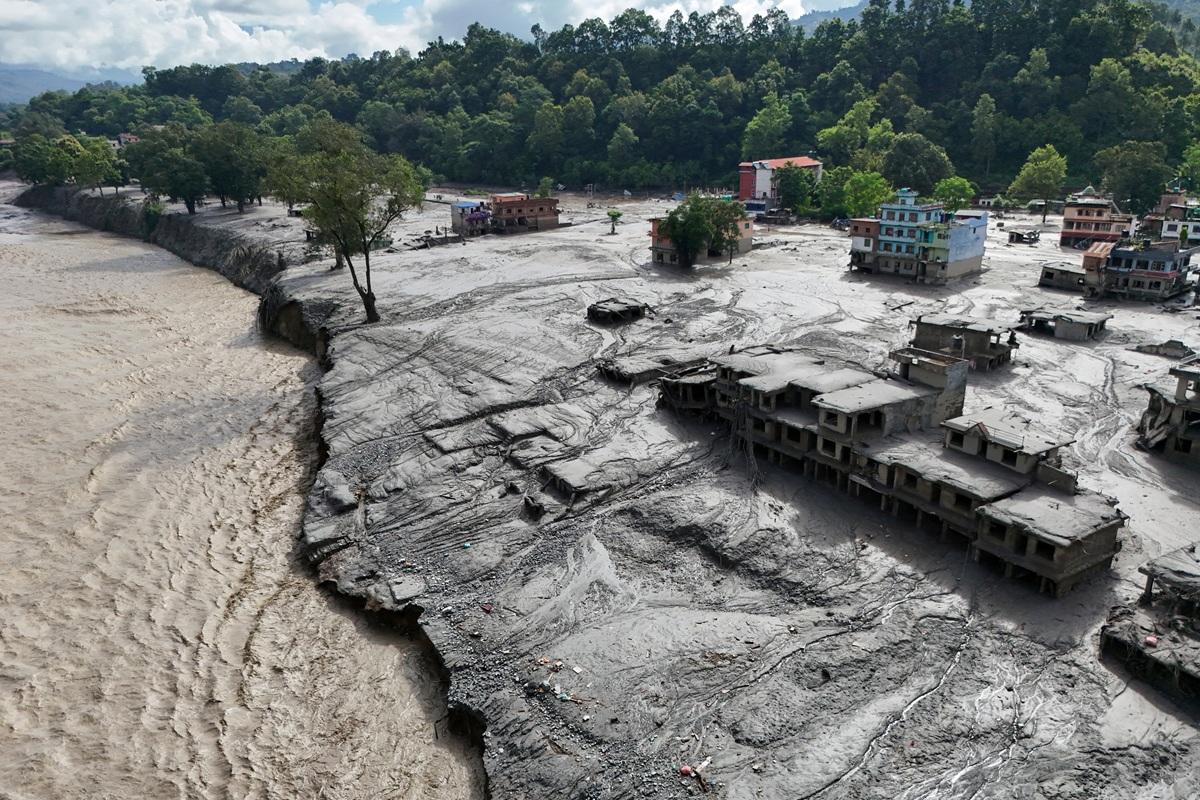
A major glacial mountain collapse on the China-Nepal border triggers a deadly flood, killing more than 1,400 people and leaving at least 6,600 missing, according to reports from multiple outlets. Scientists say evidence points to climate change as a significant driver of the event’s intensity and likelihood.
Researchers describe the disaster as a “compound crisis” rather than a single cause. They link long-term warming to glacier retreat and permafrost thaw, which can destabilize high-mountain ice and rock. One outlet also points to local conditions, including exceptionally warm July and August 2026, and snowfall in late 2025 that increases meltwater ahead of collapse.
In addition to climate-related factors, outlets also identify other natural contributors. Euronews reports that a 2015 earthquake may have affected the affected slope, while scientists across sources focus on the combined effects of warming, melting, and geological instability.
Overall, the reporting aligns on climate change’s central role while differing in emphasis—some focus on measured temperature and meltwater, others stress broader mechanisms like glacier retreat, permafrost thaw, and earthquake-related instability.