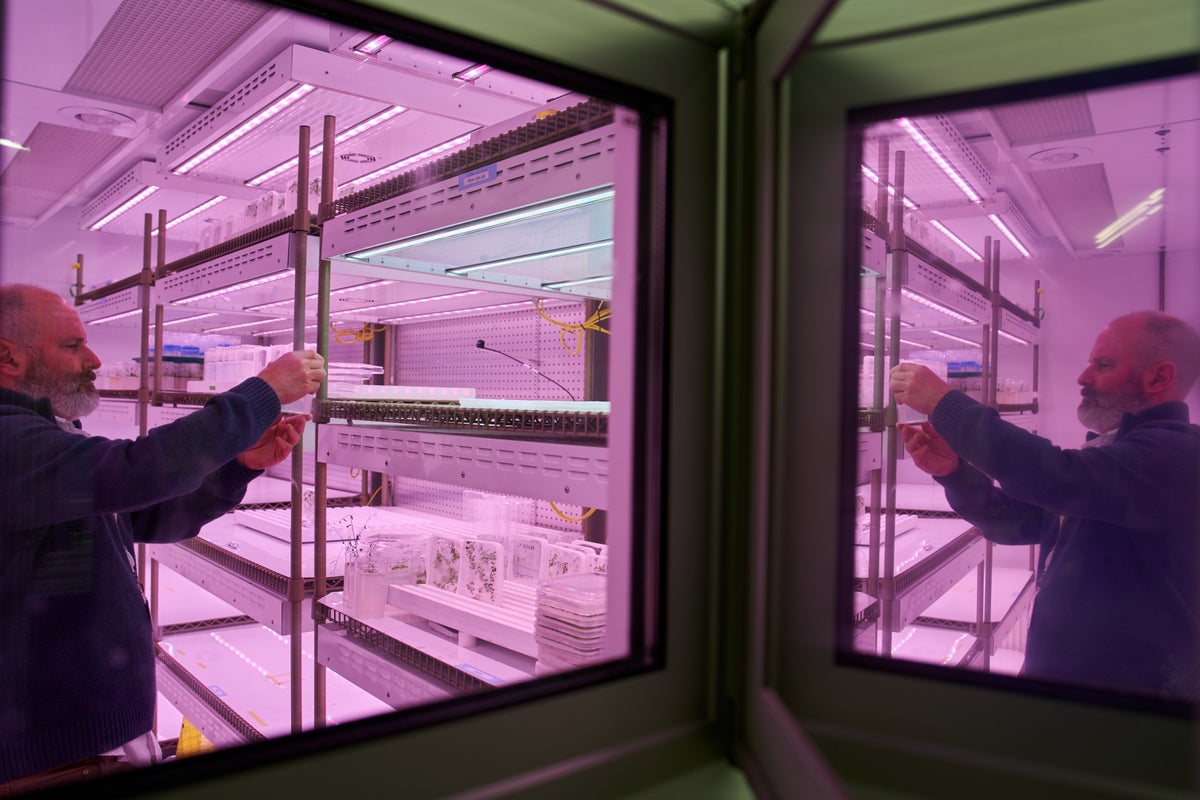
Scientists are exploring modified soybean varieties with deeper roots that could help plants tolerate climate extremes and increase carbon storage. The research focuses on traits that allow soybeans to access water more effectively during drought and remain productive under other harsh conditions, while also supporting greater carbon retention in plant biomass and soils.
The work is presented in the wider context of carbon-removal efforts aimed at addressing climate change. Both outlets frame the soybean approach as part of a broader portfolio of strategies—alongside methods such as direct air capture, changes to ocean chemistry to enhance carbon uptake, and reforestation—rather than as a single solution. While the articles emphasize the goal of improving resilience and carbon benefits, they do not agree on any detailed results in the provided excerpts, and they highlight the concept and potential rather than confirm immediate real-world deployment.
Across the coverage, the common thread is that deeper-rooting is viewed as a practical agricultural pathway to strengthen food and farming systems under changing climate conditions and to contribute to carbon storage over time.