/file/attachments/2998/14341911_155921.jpg)
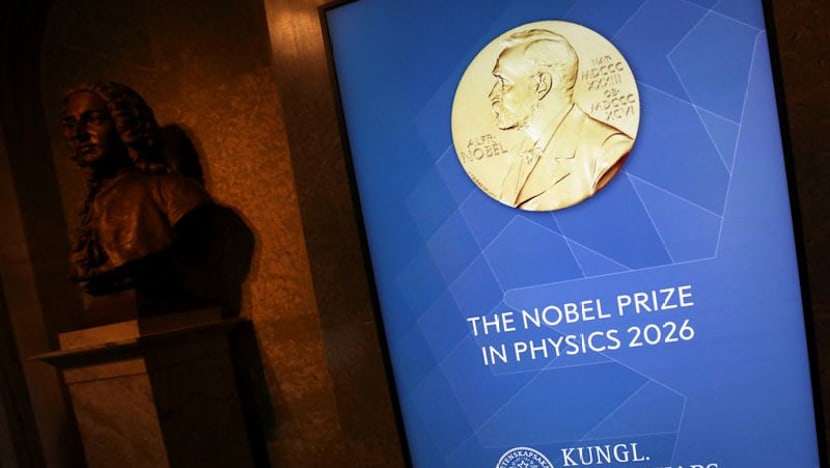
Francis Halzen is awarded the 2026 Nobel Prize in Physics for work related to high-energy neutrinos. Multiple outlets report the Royal Swedish Academy of Sciences cites his contributions to detecting and identifying these particles, described as originating from astrophysical sources.
Several sources specify that the recognition is tied to Halzen’s role in the IceCube Neutrino Observatory and to the discovery of high-energy neutrinos from beyond the Solar System. New Scientist, Scientific American, and others also characterize neutrinos as “ghostly” or “messenger” particles that carry information from the cosmos, but they do not add new substantive claims beyond the core Nobel justification.
Other outlets include additional context such as Halzen’s affiliation with the University of Wisconsin–Madison and his age, while noting the Academy’s formal wording of the award. Times of India reports the prize amount, and South China Morning Post notes that it is the second Nobel of the season. Overall, the coverage aligns on the recipient and the Academy’s stated reasons.