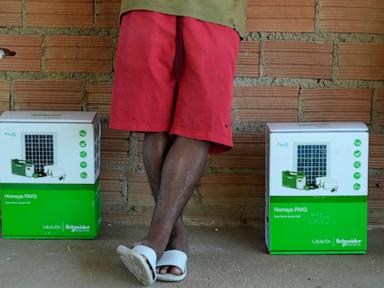
Remote communities in Brazil’s Amazon are increasingly installing off-grid solar power systems, using them to replace diesel generators and strengthen preparedness for drought conditions linked to El Niño. Multiple outlets report that the solar installations are improving access to electricity in areas that are not connected to the main grid.
The reporting describes solar as a practical alternative to diesel, which can be expensive to transport to remote locations and produces pollution. In the context of El Niño, the communities and backers emphasize that more reliable power can support essential services and help residents manage the impacts of drier conditions. The articles focus on the expansion of solar technology across the region and its role in building resilience ahead of potentially severe water shortages.
Across the sources, the central elements align: solar adoption is growing in the Amazon, diesel use is being reduced, and drought preparation is a key stated goal tied to El Niño. Differences, if any, are limited to emphasis rather than the core facts described.