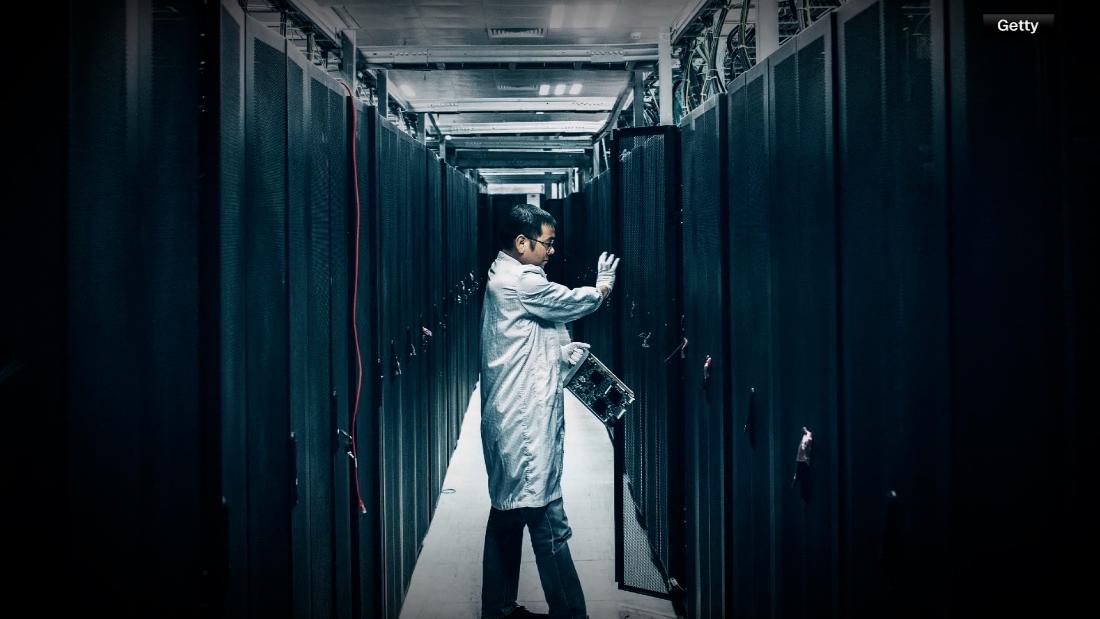
Multiple reports and talks describe how rapidly expanding AI workloads are increasing electricity demand, creating pressure on aging power grids and raising concerns about whether current infrastructure can keep up. CNN frames the issue as a strain on grid capacity linked to AI’s large energy requirements, while TED presenters discuss the same bottleneck from a more technical and forward-looking perspective.
Ayşe Coskun explains that the data-center buildout is colliding with physical limits of available power. She argues that the problem could be reframed by using AI facilities as “virtual batteries” that help stabilize electricity supply and demand rather than drawing power continuously. Varun Sivaram similarly links the grid’s constraints to the risk of stalled innovation and higher costs, but presents an opportunity to unlock additional capacity and accelerate clean energy development.
Across the outlets, the central agreement is that AI’s growth is tightly coupled to grid capacity. The differing emphasis is on immediate strain and risk (CNN, Sivaram) versus transformation of data centers into grid-supporting assets (Coskun), with both perspectives aiming at practical ways to align AI scaling with the energy transition.