Multiple outlets publish guidance arguing that climate change is relevant to HIV coverage, not because it directly alters the virus, but because it affects the systems that support HIV prevention and care. The reporting emphasizes that climate impacts can disrupt essential infrastructure and services.
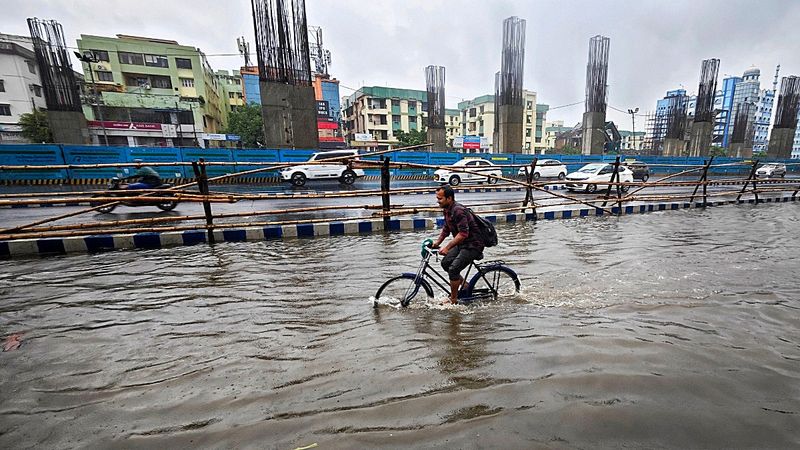
The articles explain that changes such as extreme weather, damaged roads, and strain on health facilities can hinder access to clinics, consistent treatment, and record-keeping. They also highlight how climate-related disruptions may affect the continuity of HIV care and the ability of health workers to monitor patients and manage supply chains for medicines.
Rather than focusing on claims that climate change makes HIV more infectious or more deadly, the outlets frame the connection in terms of healthcare resilience and information systems. The pieces provide practical points on how journalists can structure coverage around affected populations, service interruptions, and documented links between climate events and HIV-related outcomes, while maintaining accuracy and avoiding unsubstantiated biological assertions.