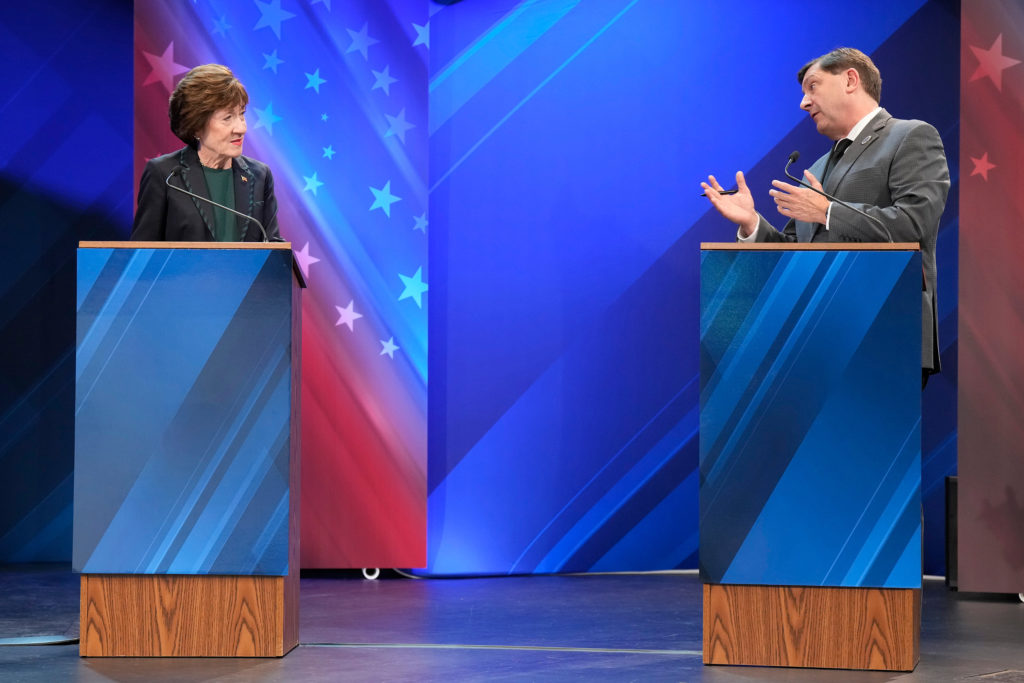
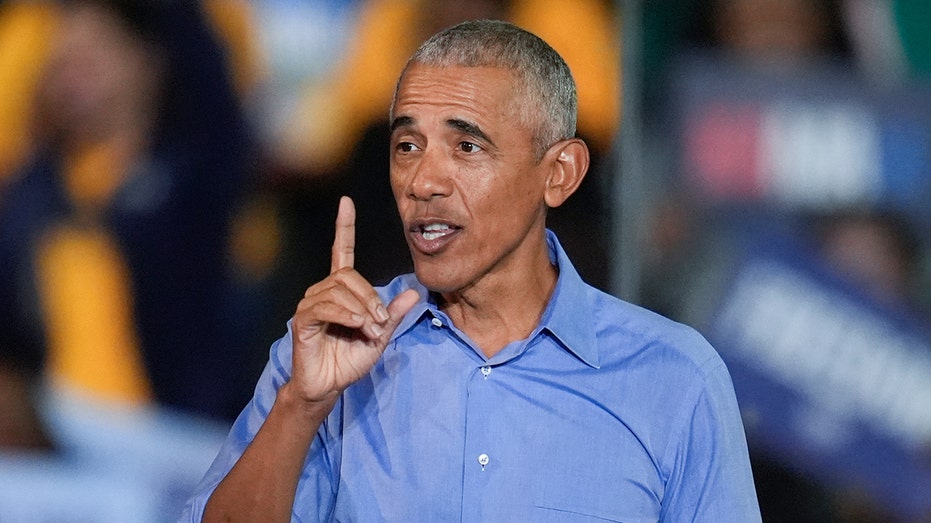
Michigan Senate candidate Abdul El-Sayed faces renewed scrutiny as Election Day approaches, following a heated exchange with a voter at a town hall. Multiple outlets report that the voter pressed him to disavow the Muslim Brotherhood, and El-Sayed rejected the premise, explicitly denouncing the group.
The controversy centers on accusations—raised especially by Republican opponents—that El-Sayed may have connections to parties or interests linked to the Muslim Brotherhood, including claims framed around alleged family ties. One outlet characterizes the allegations as involving purported links through his family, while another focuses on El-Sayed’s broader response to charges of “dual loyalty.” El-Sayed also argues that implications about his loyalties are unfair and tied to political attacks.
While the reports describe the same core confrontation—his denial of any association with the Muslim Brotherhood—the emphasis differs: some coverage highlights the clash with a voter directly raising the issue, while others foreground the background of campaign accusations involving his family history and alleged sympathies.