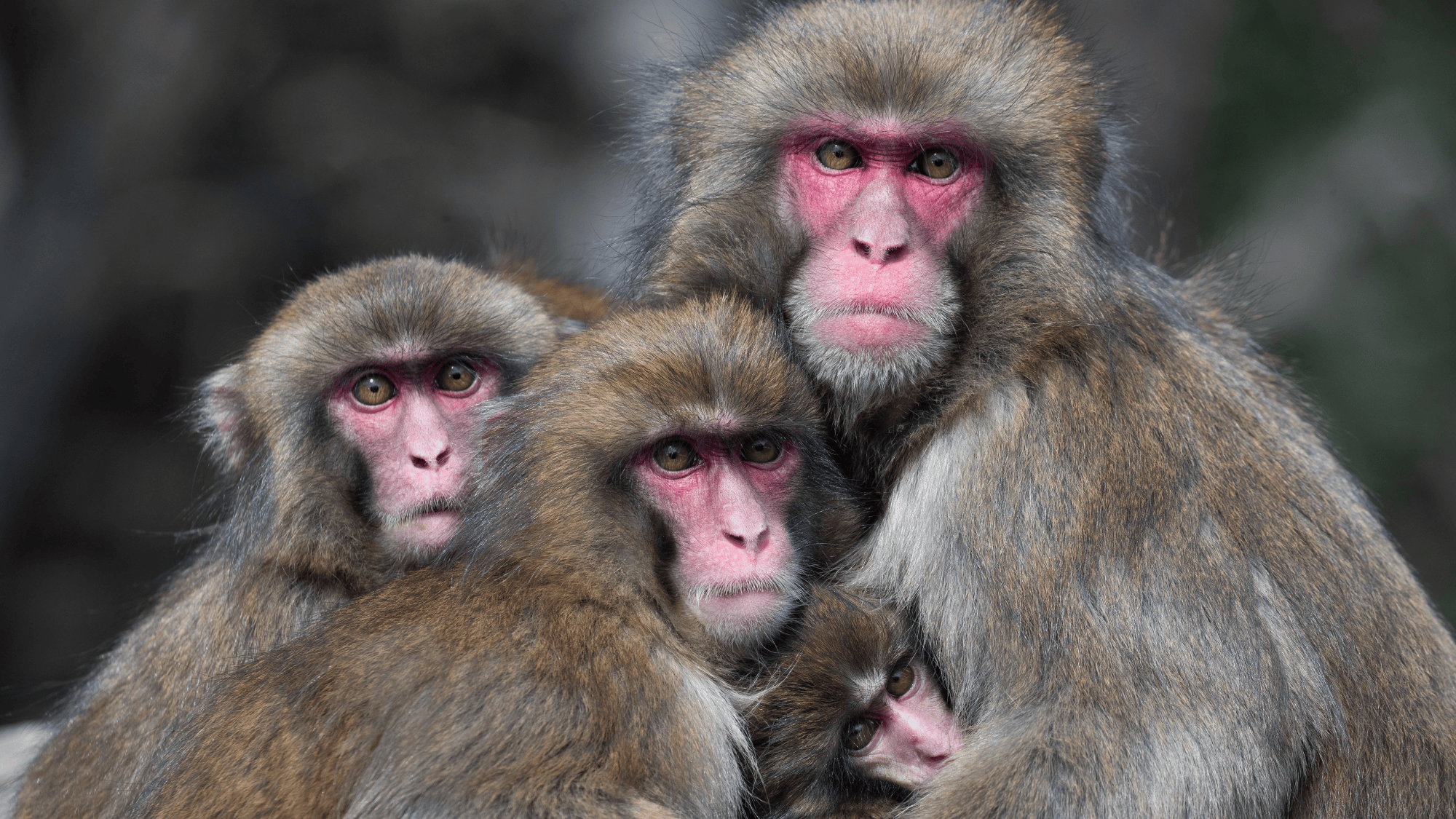
Some primates increase their caution about food that may be contaminated after experiencing severe disease events. Reporting across outlets describes how macaques that survive deadly viral outbreaks become more wary of food sources associated with contamination compared with animals that have not faced such outbreaks.
The accounts link this shift in behavior to learning from outbreak experience. After outbreaks that lead to high mortality, monkeys appear to avoid or reduce contact with foods that appear tainted. While the coverage emphasizes different framing—one focusing on a “germphobe” tendency and another on behavior following viral spread—the central point is consistent: exposure to deadly illness is followed by more cautious foraging decisions aimed at avoiding potential contamination.