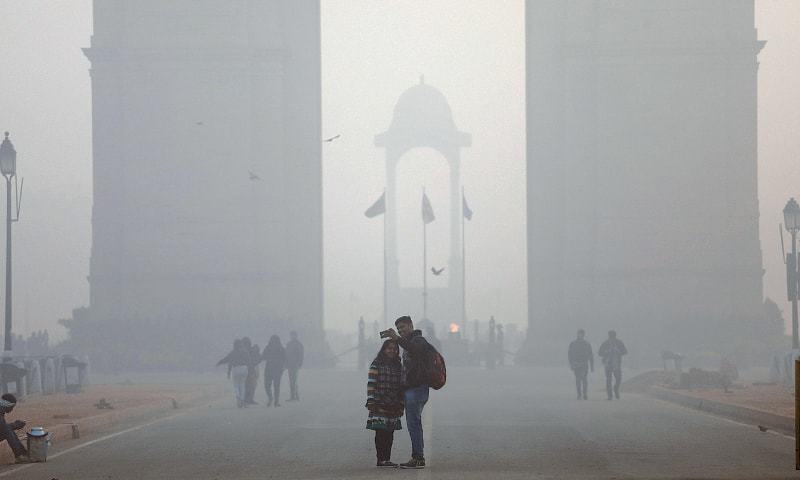
Delhi starts its annual winter measures to curb toxic air pollution, with officials warning conditions are expected to remain poor as cooler weather traps pollutants near the ground. Multiple sources describe New Delhi—home to about 30 million people—as regularly among the world’s most polluted capitals, with pollution typically worsening from November through January.
The Delhi government announces steps including a ban on open rubbish burning and restrictions on coal and firewood use by food stalls. Additional measures referenced include incentives and rules intended to reduce traffic, construction-related controls that tighten as winter progresses, and work-from-home arrangements for government office staff. One report adds specific pollutant readings and WHO comparisons, along with government expectations for continued “poor” air quality.
Coverage across outlets largely aligns on the core policy actions—bans on open burning and fuel use, plus broader traffic and construction restrictions—framing them as part of a seasonal response. Where sources differ is in how much numerical detail and broader health context they include, with some providing stronger figures and research references and others focusing mainly on the announcement and immediate expectations for haze.