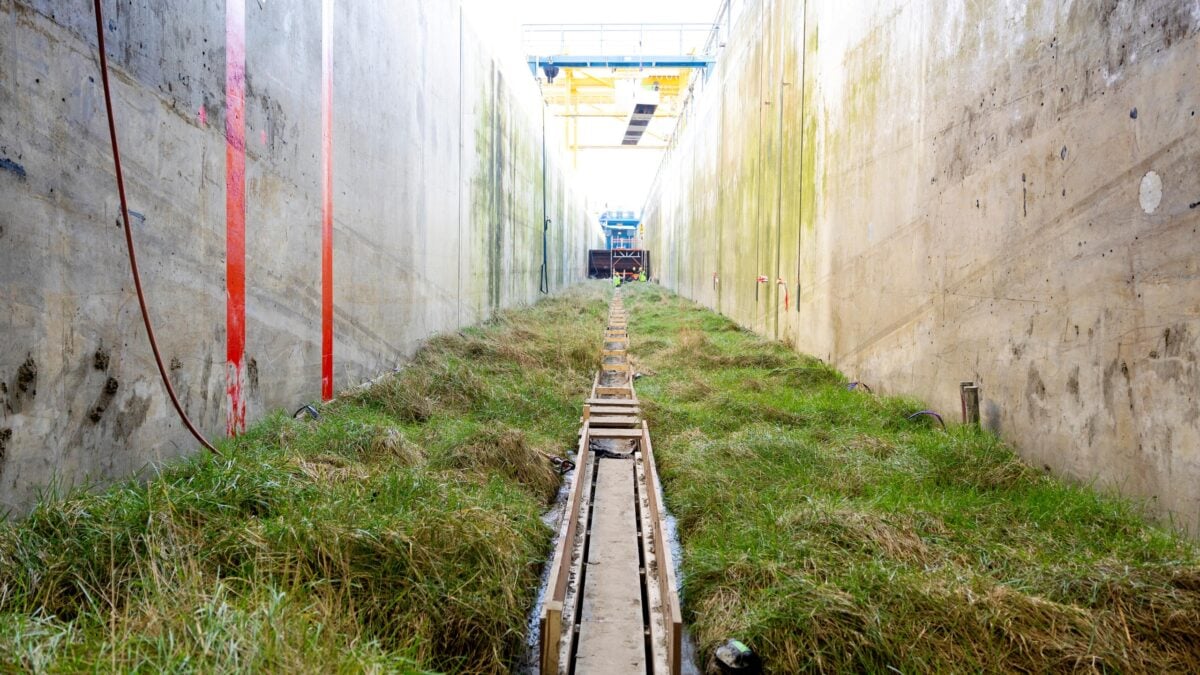
Scientists transplant a large area of wild salt marsh—reported as 306 square meters—into the world’s largest wave-machine to simulate extreme storms and observe how the ecosystem responds. The work focuses on how salt marshes absorb wave energy and protect coastlines when conditions become severe.
Context from the reporting is that the experiment is designed to generate real-world evidence about ecosystem-based coastal protection, especially under extreme weather. One outlet emphasizes the experimental setup and the goal of bringing marsh habitat into the “storm” environment of the wave machine. Another frames the results as lessons for shoreline protection from huge storms, and it also mentions that the research offers additional evidence relevant to understanding Denisovans, indicating coverage that links the scientific study to broader paleo-related implications, though details beyond that framing are not included in the provided text.