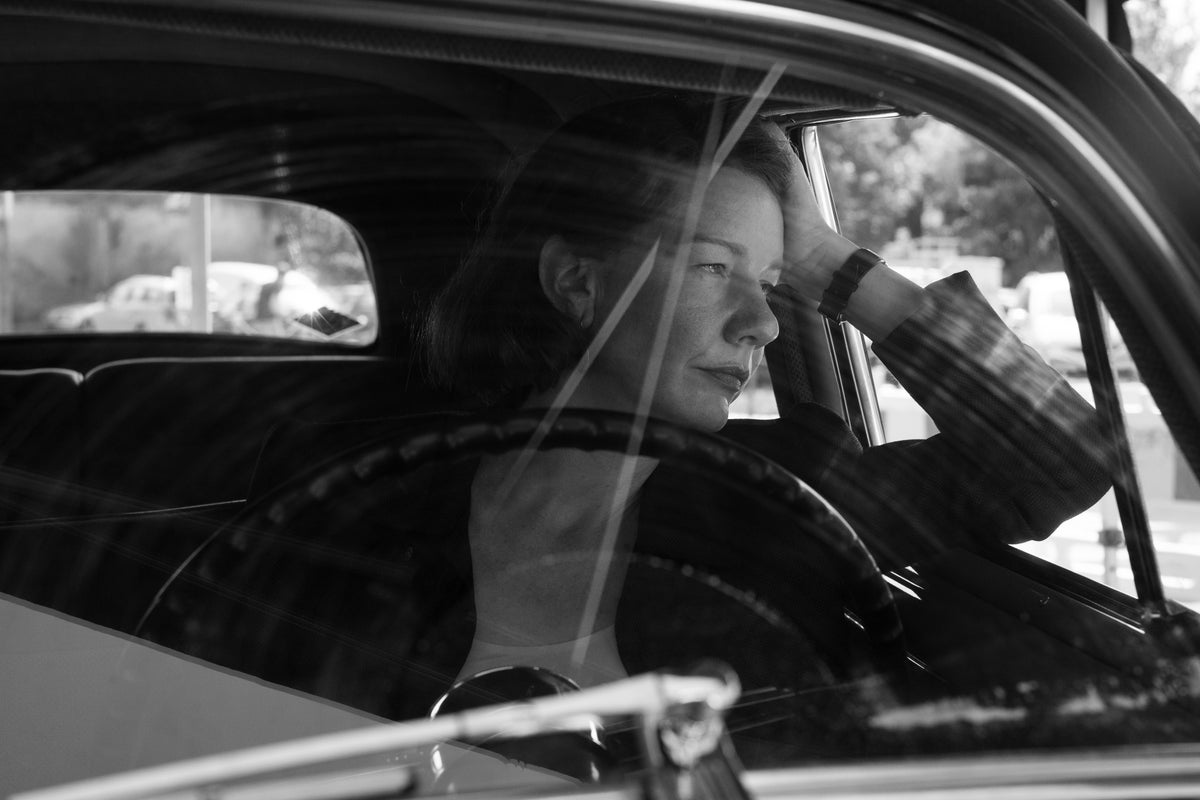
Paweł Pawlikowski’s film “Fatherland” draws renewed attention for how it portrays a fractured Germany through a postwar period narrative involving Thomas Mann’s return. Reviews describe the movie as austere in style and closely attentive to atmosphere and detail, with some outlets spotlighting how the film connects personal relationships and larger questions about “Heimat” (home) and national identity.
Several publications frame the film through Mann’s celebrity in both eastern and western contexts and the travel companion role of Mann’s eldest daughter, Erika Mann. While The New Republic and The New Yorker focus on how the film uses symbolism and selectively reshapes historical material, other outlets emphasize the storytelling restraint and pacing. Across reviews, the film’s treatment of contrasts—such as prosperity versus austerity, and the public face of reunions versus darker undercurrents—emerges as a central theme, even as critics differ in how they characterise its choices.
Outlets also vary in what they foreground: some lead with literary and structural analysis; others lead with the film’s duration or discipline; and The Independent and the Winnipeg Free Press present more straightforward review framing. Overall, the sources largely agree the film is deliberate, emotionally pointed, and built around the Mann context, even when their evaluations and emphasis differ.