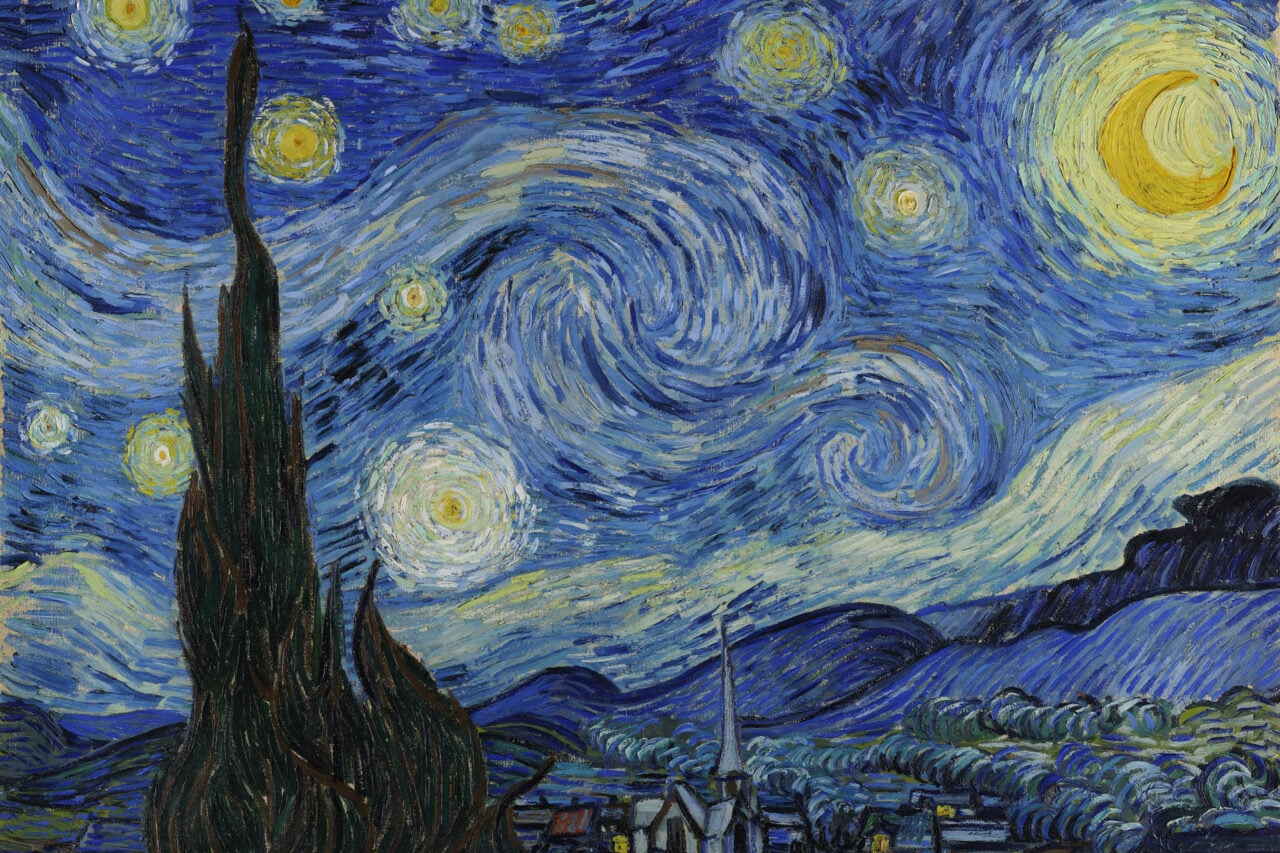
Scientists say they can match the sky depicted in Vincent van Gogh’s The Starry Night to real astronomical conditions over Saint-Rémy in 1889, narrowing when the painting may have been made. Several outlets report that the study identifies a predawn sky and suggests the scene aligns with what the artist could have observed rather than being purely imagined.
The common thread across coverage is a proposed date shift away from the usual broadly stated summer-1889 timeline. Some outlets emphasize that a previously misidentified constellation could change the painting’s dating, while others describe the work as depicting a real dawn or predawn sky in July. One report highlights that researchers argue the stars may not be the ones traditionally understood from the painting, implying the celestial map used by earlier interpretations may be off.
Outlets also vary in the details they foreground. Some focus on matching named features—such as the moon, Venus, and a star cluster—while others mention supporting evidence beyond astronomy, including contextual clues. Overall, the articles describe a scientific re-examination of the painting’s celestial targets and the night they correspond to, with related implications for the painting’s production timing.