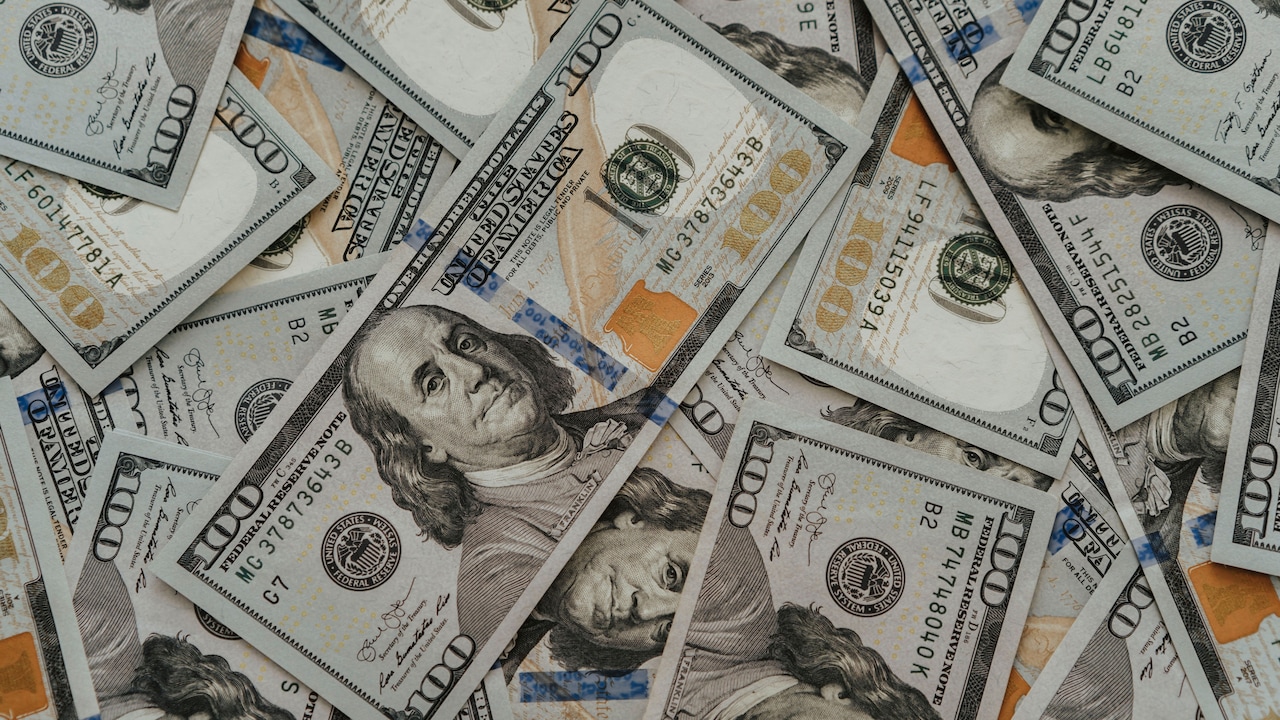
Halloween candy sales are off to a slow start in the United States as consumers respond to higher prices for food and other household essentials. Several outlets link the weaker demand to inflation and a broader cost-of-living pressure facing American households heading into the Halloween season.
The Independent (and other outlets echoing its framing) points to government data suggesting candy and gum prices rise over a multi-year period, while also emphasizing the role of affordability concerns and the high cost of chocolate. City News Toronto and Star Tribune describe consumers as weighing whether they can spend on Halloween treats amid expensive groceries and eye-catching chocolate prices.
Seeking Alpha frames the development more directly as a Halloween candy sales slump tied to inflation squeezing U.S. consumers. Across coverage, the core agreement is that sales are weaker than usual and that price pressures—especially for candy and chocolate—are central to the story, though outlets vary in how much underlying price data they cite.