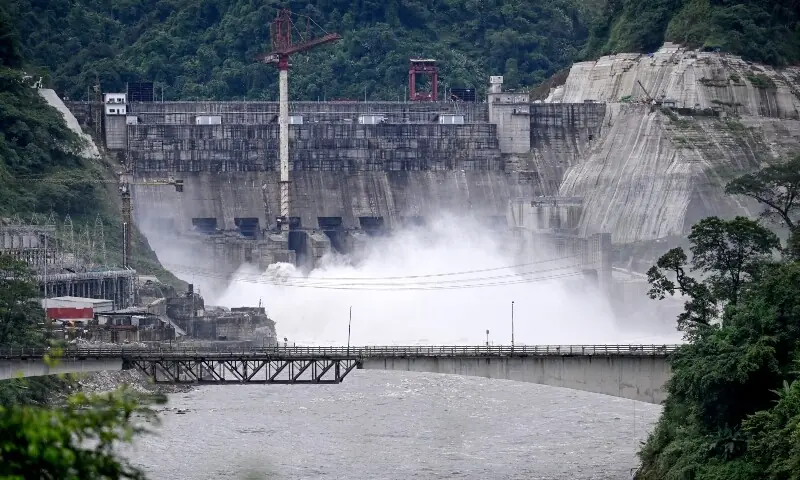
Protests against India’s proposed 11,200-megawatt Siang Upper Multipurpose Project (SUMP) in Arunachal Pradesh turn violent on Friday night, with demonstrators clashing with police and targeting government-linked sites. Officials say protesters threw stones, injured around 40 police personnel, vandalised NHPC property, and set a police station and an NHPC office on fire. The unrest follows a 12-hour bandh called by groups opposing the project.
The protest coverage also highlights the broader dispute shaping public opposition. Outlets describe local fears about displacement, the loss of land and homes, and environmental concerns, with some groups demanding a halt to survey work and the withdrawal of central security forces. Coverage further situates the dam within India-China hydropower and border tensions: India frames the SUMP as a response to a Chinese upstream project in Tibet, while China says it will have no downstream impact.
Across reports, chief minister Pema Khandu urges dialogue and offers talks. Some outlets focus more on the vandalism and arson details, while others concentrate on background—such as the project’s stated purpose and the India-China context—and the injuries reported by police.