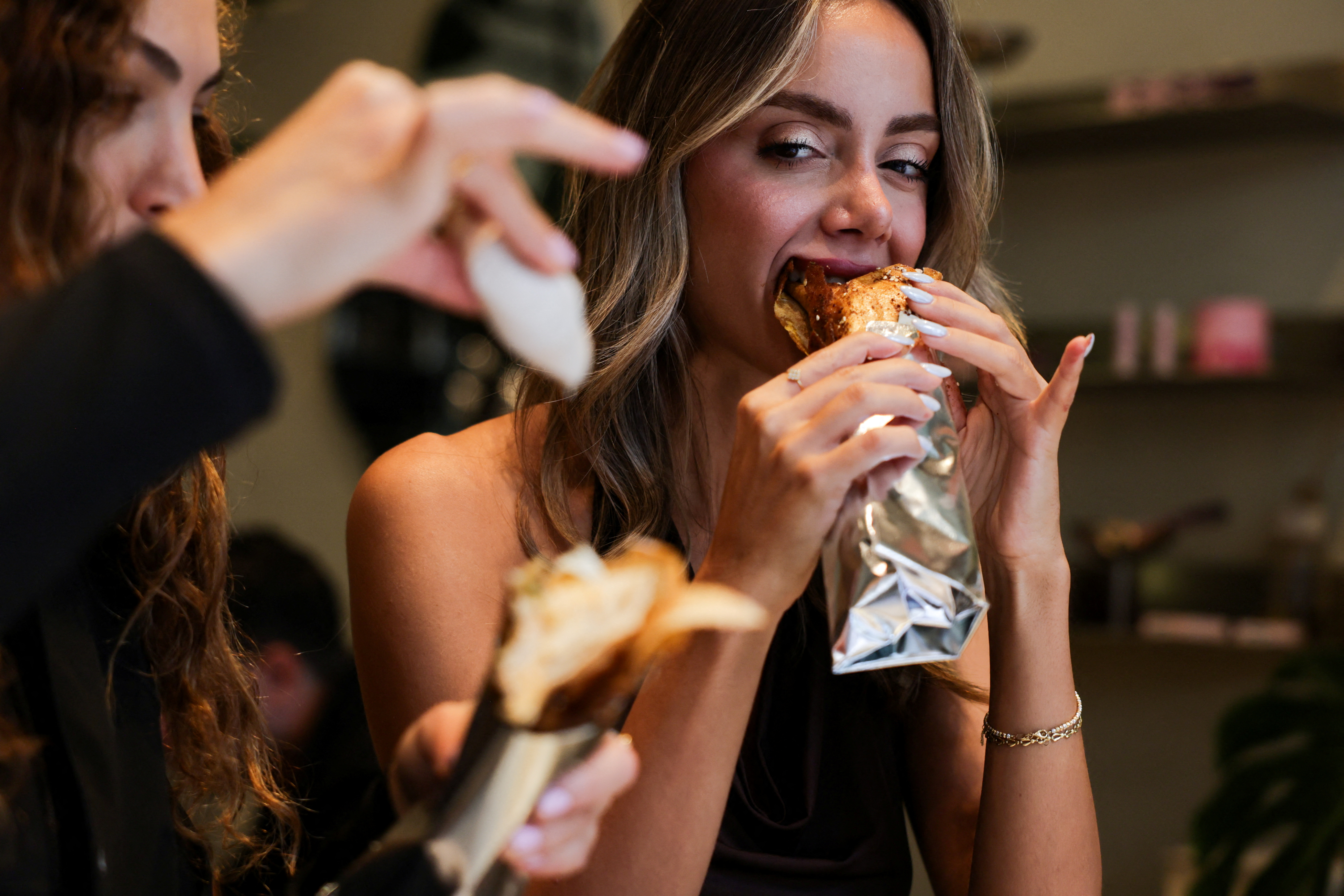
A $13 chicken sandwich debate in Beirut spotlights widening inequality in Lebanon, about seven years after the country’s financial meltdown. Outlets describe how a “shish taouk” wrap—now offered as a pricier, calorie-conscious option—has become a flashpoint between customers who can still afford lifestyle choices and those who struggle to meet basic costs.
Coverage places the episode in the broader context of Lebanon’s prolonged economic crisis, where purchasing power has sharply diverged. Several accounts frame the story as a symbol of the “wealth divide,” linking everyday consumer spending to the reality of hardship for many residents. The reporting focuses on the restaurant concept and the reaction it draws, using the sandwich’s price and positioning to illustrate how sharply daily life has split.
Across the sources provided, the core message remains consistent: the sandwich is treated less as a food item and more as a marker of changing ability to pay in Lebanon’s post-meltdown economy.