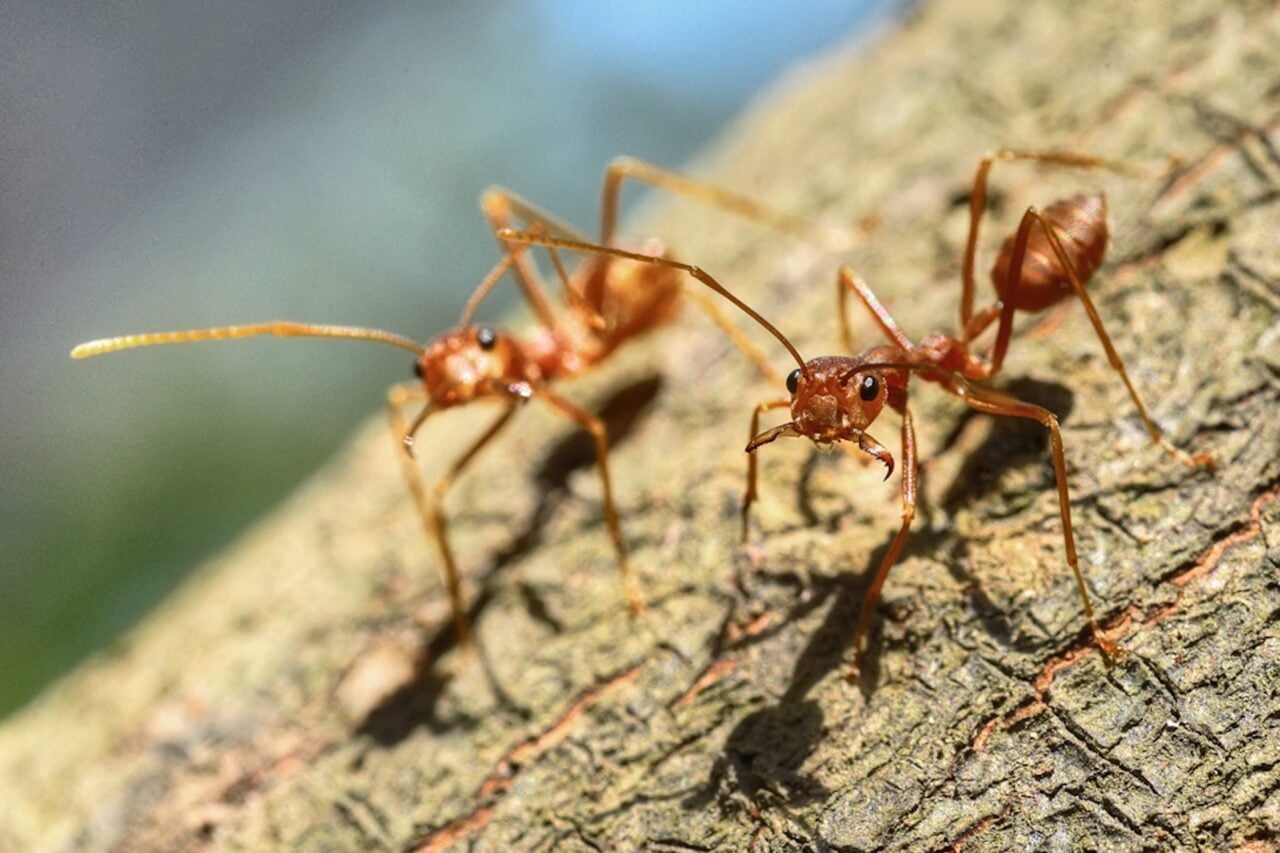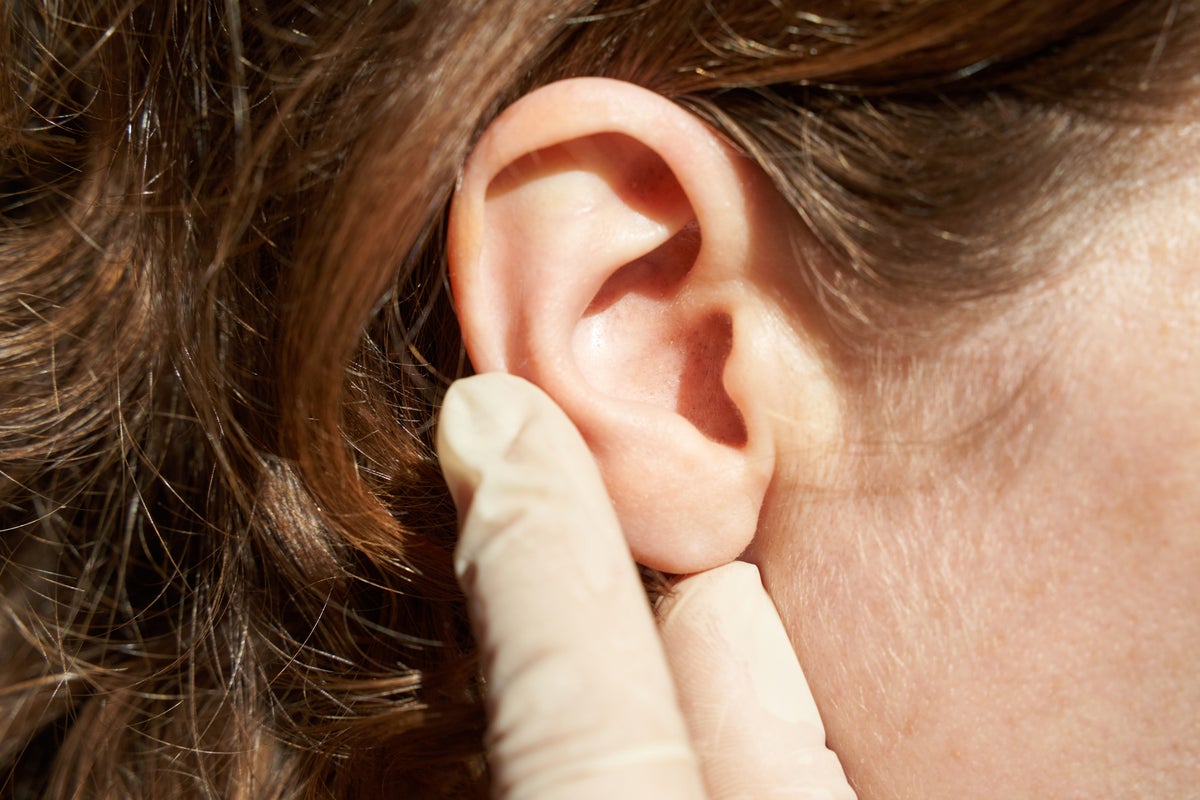
Researchers test whether human earwax can repel insects, focusing on its unusual physical makeup. Laboratory observations and experiments are used to examine how ants and other insects interact with earwax and how its consistency affects their movement.
Across outlets, the story is framed as a potential path to “safer” or improved repellents derived from a natural substance. Phys.org and The Conversation emphasize earwax’s combination of slipperiness and stickiness, noting it can absorb water while retaining tackiness, and they connect these properties to existing ideas about earwax’s effects on insects. The Independent highlights the curiosity factor—describing ants struggling to climb earwax—and uses that as a hook to underline why the material is scientifically interesting. The Conversation also adds context by asking whether the properties could have an evolutionary origin in animal ears.
Overall, the articles agree that earwax’s physical characteristics are key to understanding its insect-repellent potential, while differing mainly in how they lead with experimental observation versus broader explanation.