Formula 1 teams and manufacturers are preparing for the Mexico City Grand Prix, where the Autodromo Hermanos Rodriguez sits at about 2,286 metres above sea level. Multiple outlets highlight that thinner air creates demanding conditions for cars, particularly affecting engine and turbo performance and overall vehicle efficiency.
The coverage also notes that specific technical and regulatory factors can increase uncertainty. Motorsport.com and Autosport discuss how turbo lag and the reduced effectiveness of the MGU-H at high altitude change how teams approach drivability and performance. Other reporting emphasises that F1’s new regulations make the Mexican race a bigger test of how systems behave in low-density air.
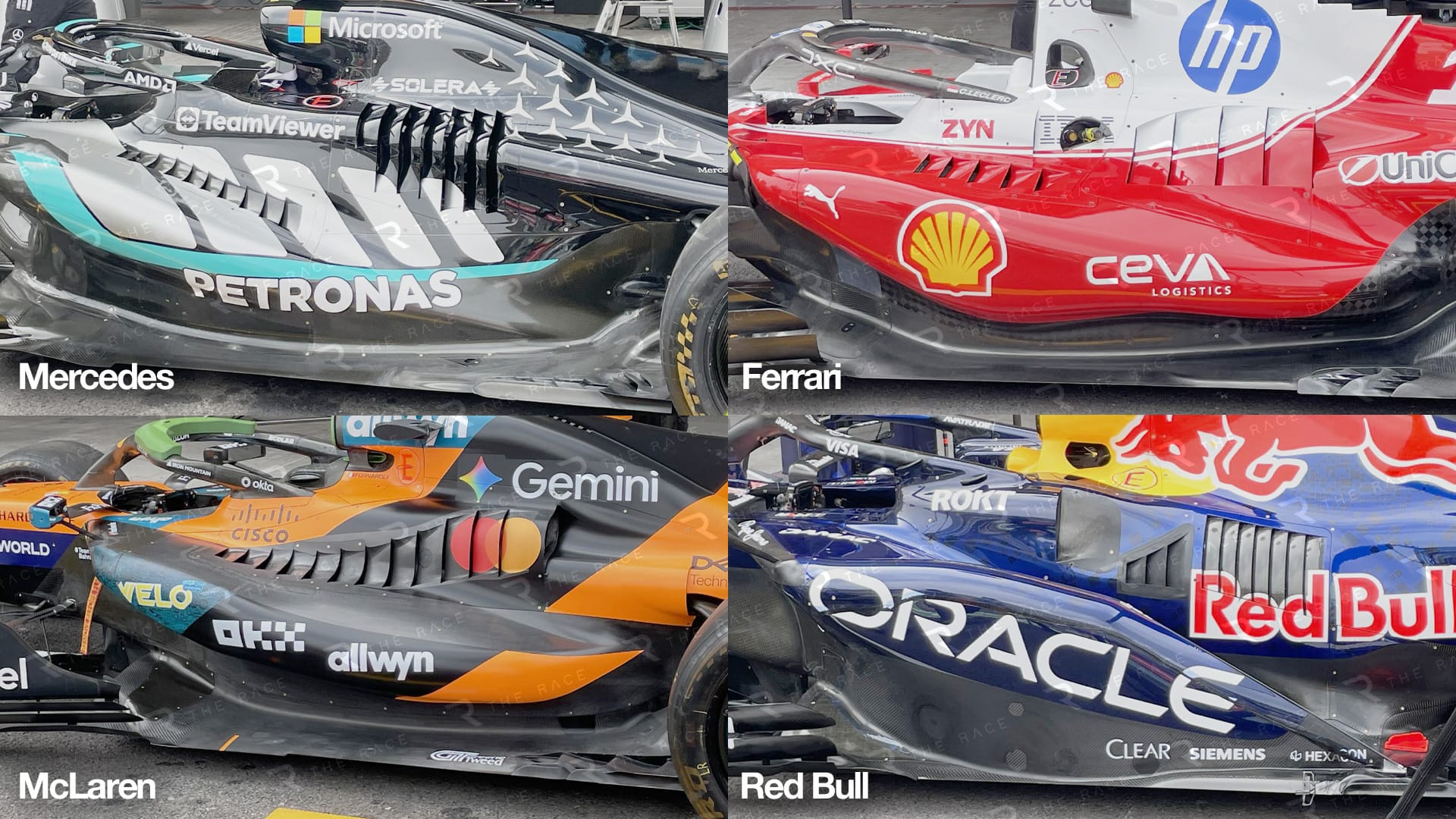
Across the sources, the common theme is that Mexico’s altitude forces aero and power-unit compromises, with teams making adjustments to cope with reduced air density. While the outlets agree on the venue’s height and its key technical effects, they differ in whether they lead with aero trade-offs, driver-facing issues such as turbo lag, or the implications of regulation changes for engineers and manufacturers.