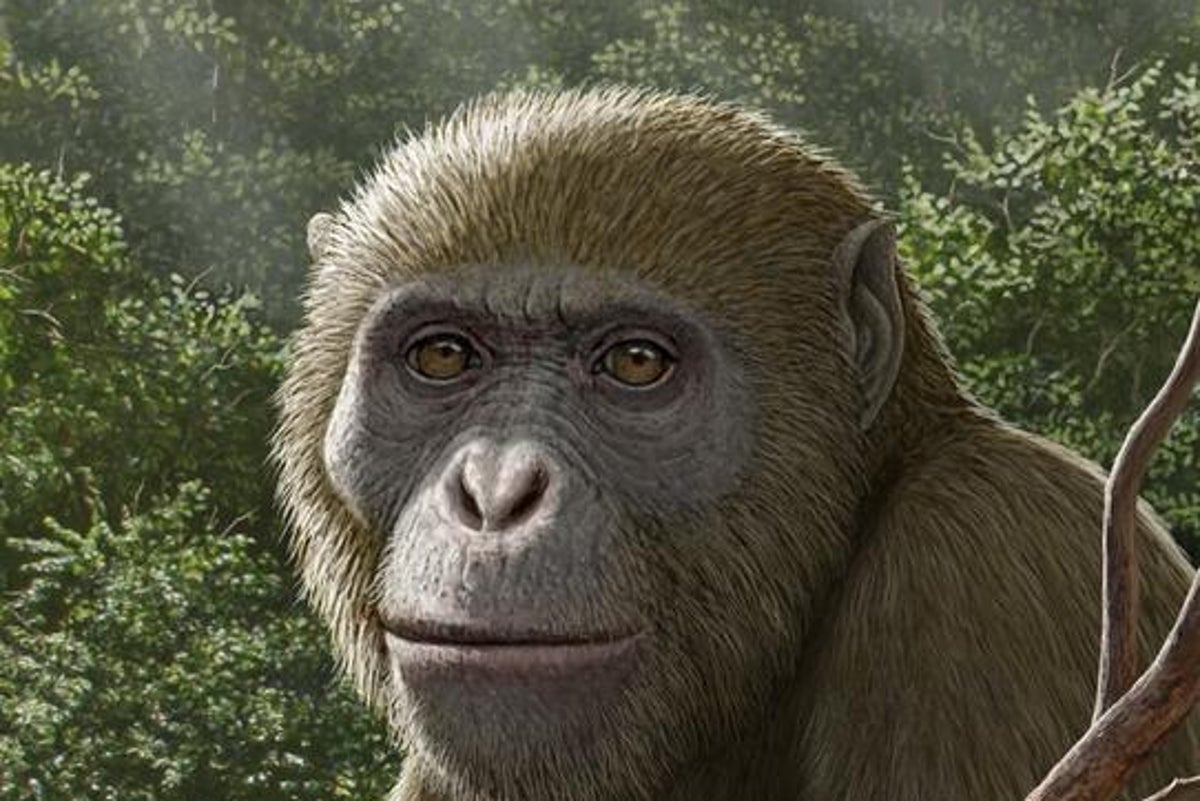
Scientists describe a newly found fossil ape from Egypt that is about 17–18 million years old and may change how researchers think modern apes—and the human lineage—evolved. The findings challenge long-standing assumptions that have placed key evolutionary developments primarily in East Africa.
Both outlets report that the fossil adds to emerging ideas about a broader geographic picture for early ape evolution. Instead of treating East Africa as the main “cradle” for modern ape roots, researchers cited in the coverage suggest North Africa and the Middle East could have played a more central role. The story is framed around potential implications for the broader timeline and location of human origins, rather than just the identification of a new species. The coverage emphasizes that the fossil’s age and significance are prompting scientists to reassess prior beliefs about where modern ape ancestors emerged.