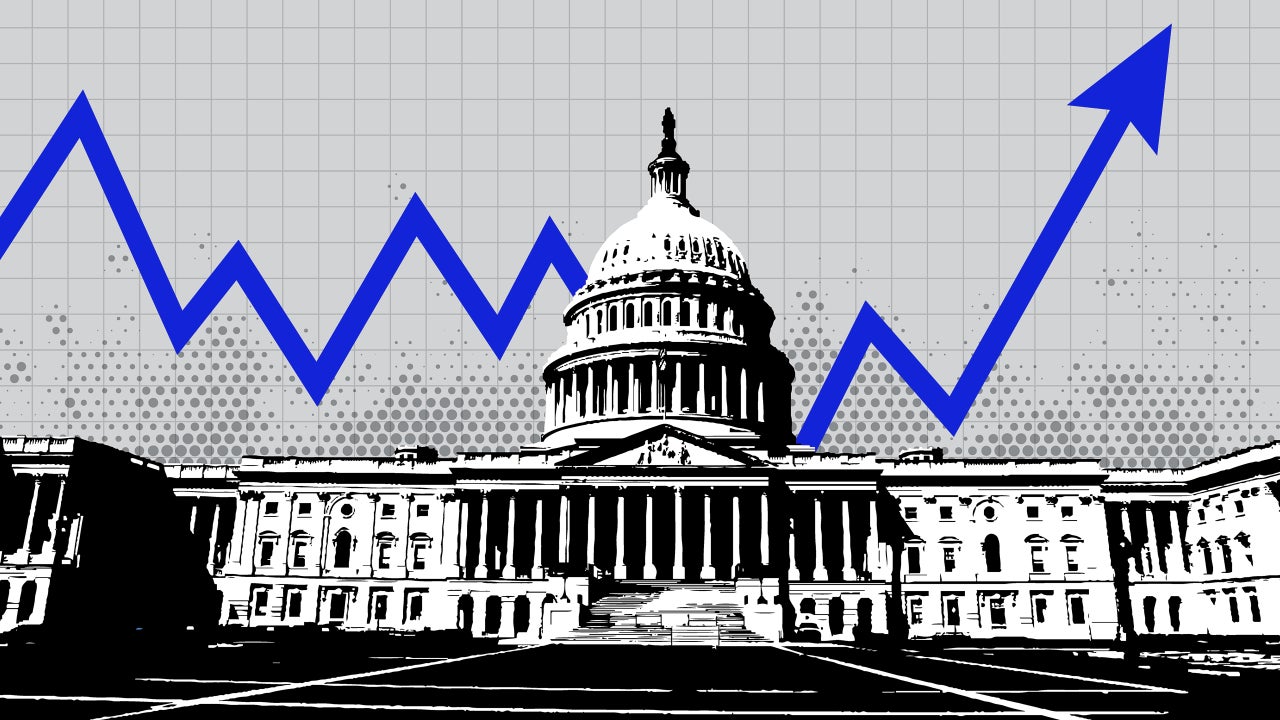
U.S. midterm elections are expected to increase market volatility, with several outlets pointing to historical patterns in how stocks perform after midterms while noting that 2026 faces unusual uncertainty. Fast Company and CBS News cite market data and analysis suggesting midterm periods can be followed by market gains, but they also warn that investors may react to politics in the short term.
Fast Company highlights that midterm years have historically produced weaker annual stock gains than non-midterm years and argues that investors should not make investment decisions solely based on election outcomes. It also notes that institutional investors, in a Wolfe Research survey reported by CNBC, appear skeptical that election polling will translate into a strongly pro-Democratic result, and it quotes market strategists warning that a “blue wave” could intensify gridlock.
Other coverage focuses on Wall Street’s scenario thinking. CNBC frames potential impacts broadly—spanning Treasury yields, AI spending concerns, energy prices, banks, defense, and healthcare—while Fast Company emphasizes that 2026’s outlook is “uniquely difficult” to predict due to factors like oil prices, inflation, interest-rate policy, AI-related spending worries, and a large number of political races across Congress and states.