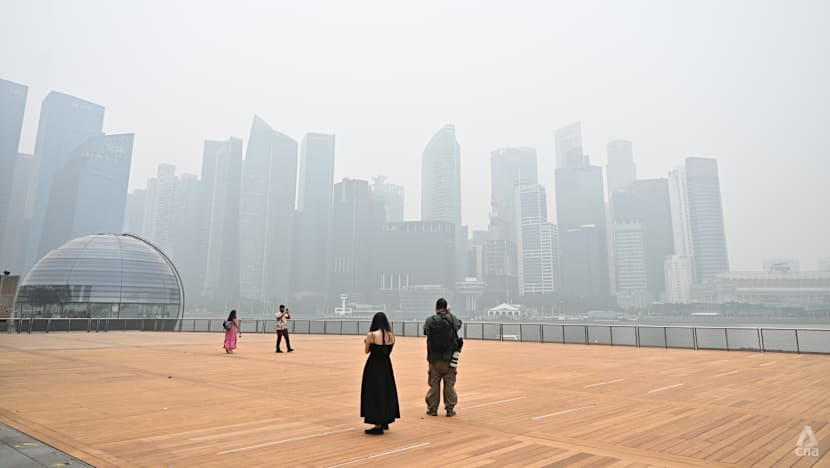
Singapore’s parliament passes amendments to the Transboundary Haze Pollution Act to strengthen enforcement against cross-border smoke pollution. Multiple outlets report higher penalties, expanded investigatory powers, and the introduction of arrest powers and restrictions targeting firms linked to haze-causing wildfires in neighboring countries.
Most coverage frames the changes as a shift away from relying on criminal prosecutions. CNA highlights both operational steps during the current episode and the broader “what worked” and “lessons” approach, including measures such as mask distribution and legal reforms. Other outlets focus on how the revised law broadens authorities’ ability to act earlier and against companies connected to entities suspected of driving haze risk.
Several outlets also describe how the amendments may change compliance incentives. The Straits Times says some firms could face market pressure—potentially becoming “corporate pariahs”—if they are served notice, prompting audits of supply chains. South China Morning Post, in particular, emphasizes the scale of the fine increases and notes that the Act has been invoked previously. Overall, the reports largely agree on the legislative direction, while differing on what specific enforcement tools and compliance effects get the most attention.