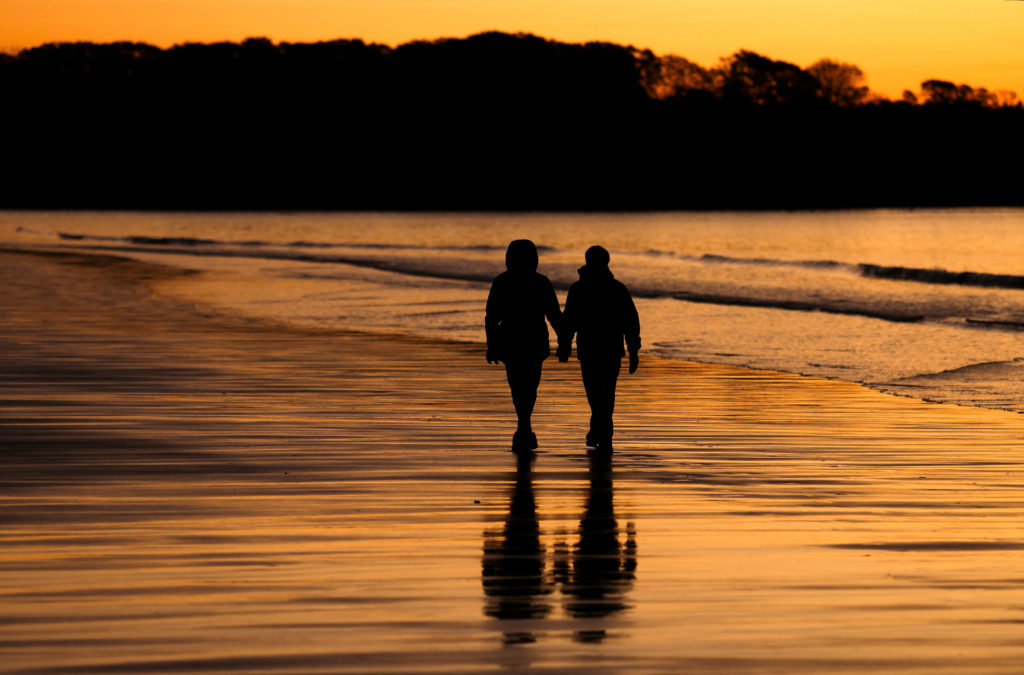
As winter approaches and daylight hours shrink, people prone to seasonal affective disorder (SAD) report worsening mood and symptoms. Multiple outlets describe how reduced light during dark afternoons can affect both “body and brain,” contributing to depression-like episodes for those susceptible to seasonal patterns.
The coverage largely aligns in focusing on the seasonal trigger—shorter days and less daylight—rather than on new research or treatment breakthroughs. Some outlets emphasize practical coping approaches, framing the story around “how to fight back,” while others foreground the expectation of symptoms as winter arrives. One outlet in Canada highlights the same core idea and pairing of winter-related light reduction with seasonal depression risk.
Across reports, the common thread is that SAD is linked to seasonal changes in daylight and that individuals who experience it tend to notice effects as the darker months begin.