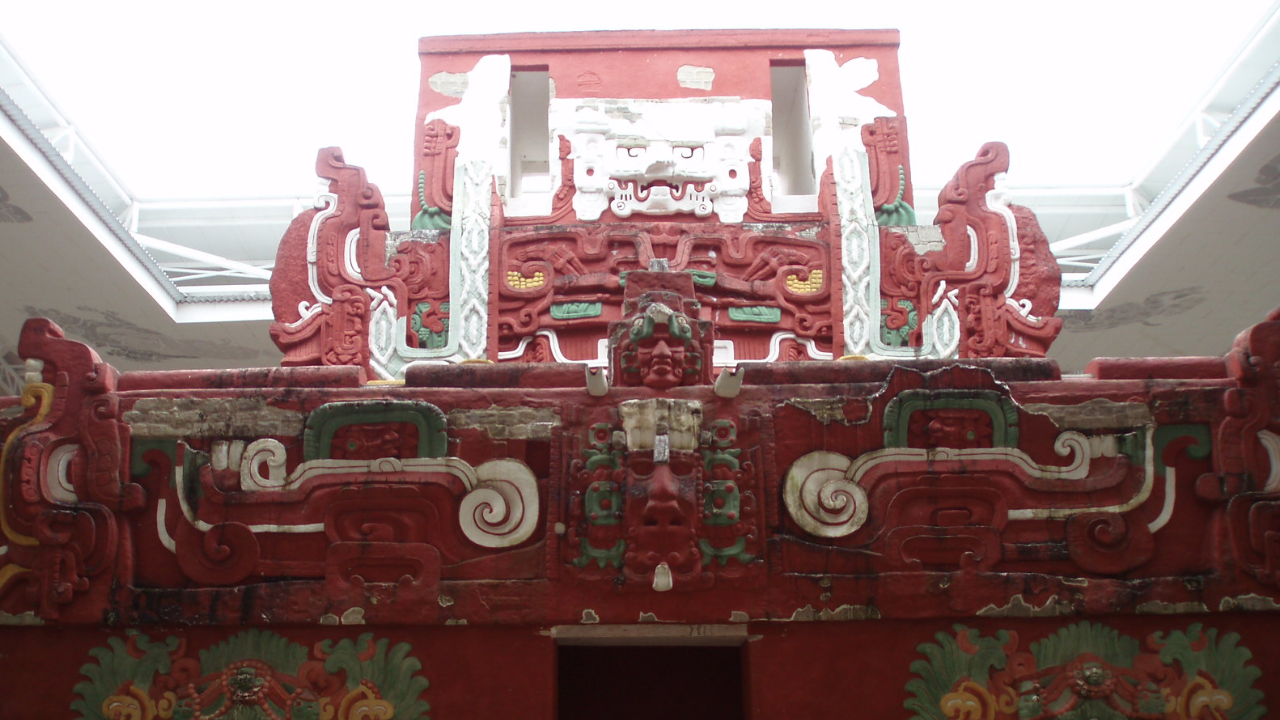
Ancient Maya communities used a red pigment made from mercury-rich cinnabar for decoration and rituals, and new research finds it left a lasting toxic mercury legacy in the environment. Multiple reports say mercury from the pigment contributed to contamination in nearby lakes, sediments, and surrounding ecosystems.
The studies described assess how mercury enters local water bodies and can affect aquatic life. Times of India and Live Science both highlight sediment-based evidence of high mercury levels linked to the Maya’s pigment use, with Live Science emphasizing extreme mercury found in sediment cores. Phys.org notes that earlier work and this line of research indicate contamination in soils and reservoirs, and it says pollution may have spread and coincided with the collapse of two lake ecosystems.
Channel NewsAsia reports mercury contamination is found at more ancient Maya sites, reinforcing the idea that the issue is not isolated. Across outlets, the main differences are the specific environmental compartments emphasized (lakes versus sediments versus soils/reservoirs) and how far impacts may have extended, including whether ecosystem collapses are singled out.