


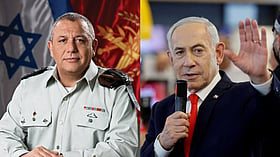
Israel’s October 27 parliamentary election produces no clear majority, leaving the Knesset divided and forcing a new attempt to form a government. Former military chief Gadi Eisenkot is given the mandate to try to build a coalition, while Prime Minister Benjamin Netanyahu continues as caretaker. President Isaac Herzog awards the mandate on November 8, and Eisenkot has until December 6 to present a government, with a possible 14-day extension. If he fails, Netanyahu could be asked to attempt formation, and further failure could trigger another election.
Outlets frame the challenge differently. The Free Press Journal emphasizes the competing blocs within the 120-seat Knesset, noting Likud’s 53 seats versus Eisenkot-aligned opposition with 48 and Arab-led parties with 19, and highlights how the post–October 7 war shapes public concerns and hopes for peace. The Christian Science Monitor focuses on whether voters’ desire for change—away from Netanyahu’s long run—can translate into a stable coalition, while opposition parties remain split rather than unified. Both accounts underline that coalition-building is constrained and negotiations face major obstacles.


