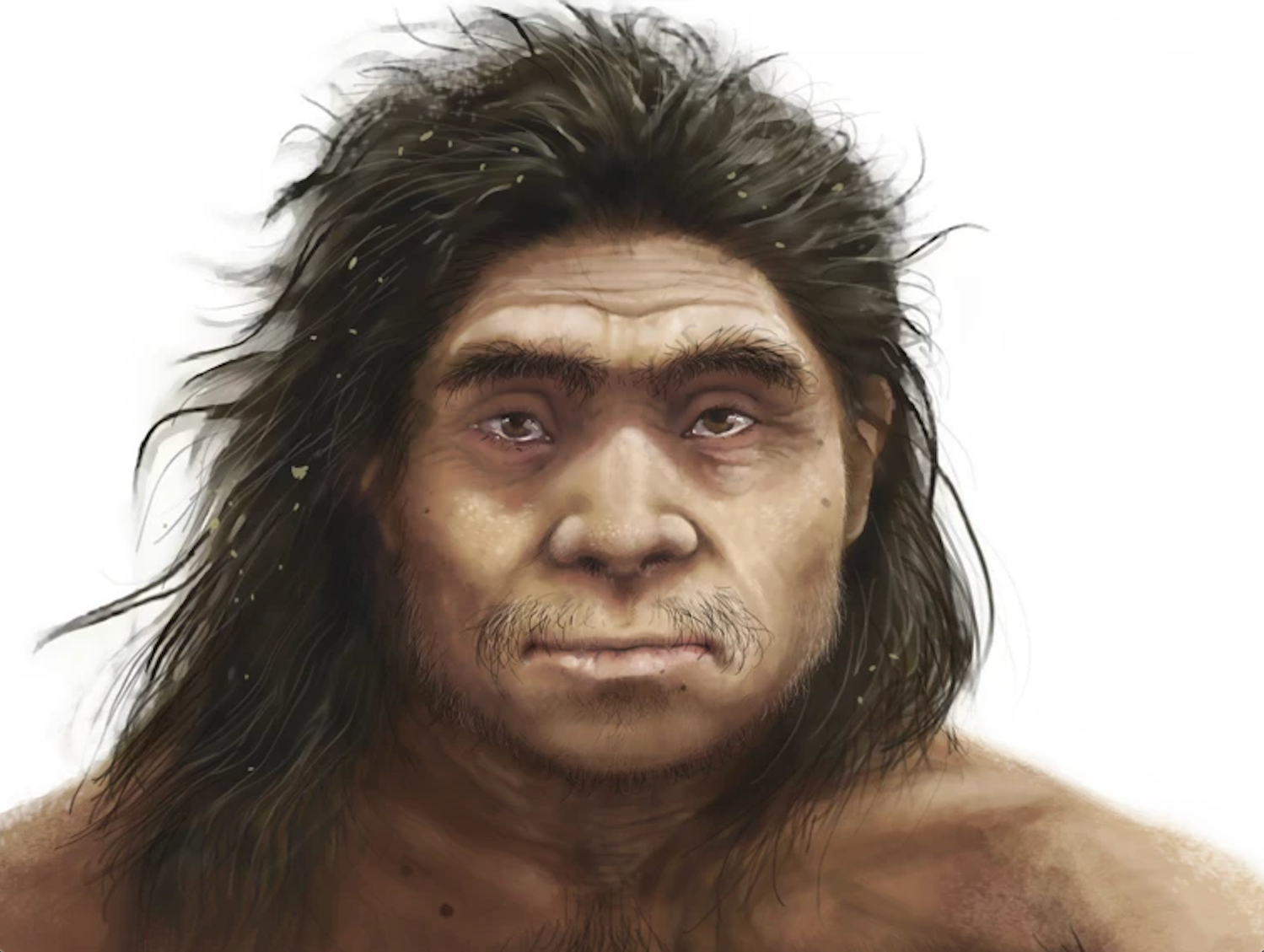
Scientists report that four fossil teeth recovered from two caves in southern China point to the presence of multiple human lineages in the region around 100,000 years ago. One set of remains shows Denisovan affinities, while another belongs to a more “primitive” archaic lineage whose evolutionary relationship is not yet resolved.
The outlets describe a recent Nature study based on analyses of the teeth, which were excavated from caves in southern China. The work is presented as adding to evidence that distinct branches of human relatives coexisted in the area during the Middle to Late Pleistocene. Coverage highlights that researchers still cannot assign the unknown lineage to a known species with confidence, leaving its place on the family tree open for further research.
Overall, the differing emphasis is mainly on framing: one outlet foregrounds the “mysterious lost human species” angle, while another focuses on the specific methods and the study’s cautious identification of two lineages—Denisovan-related and an unresolved archaic group.