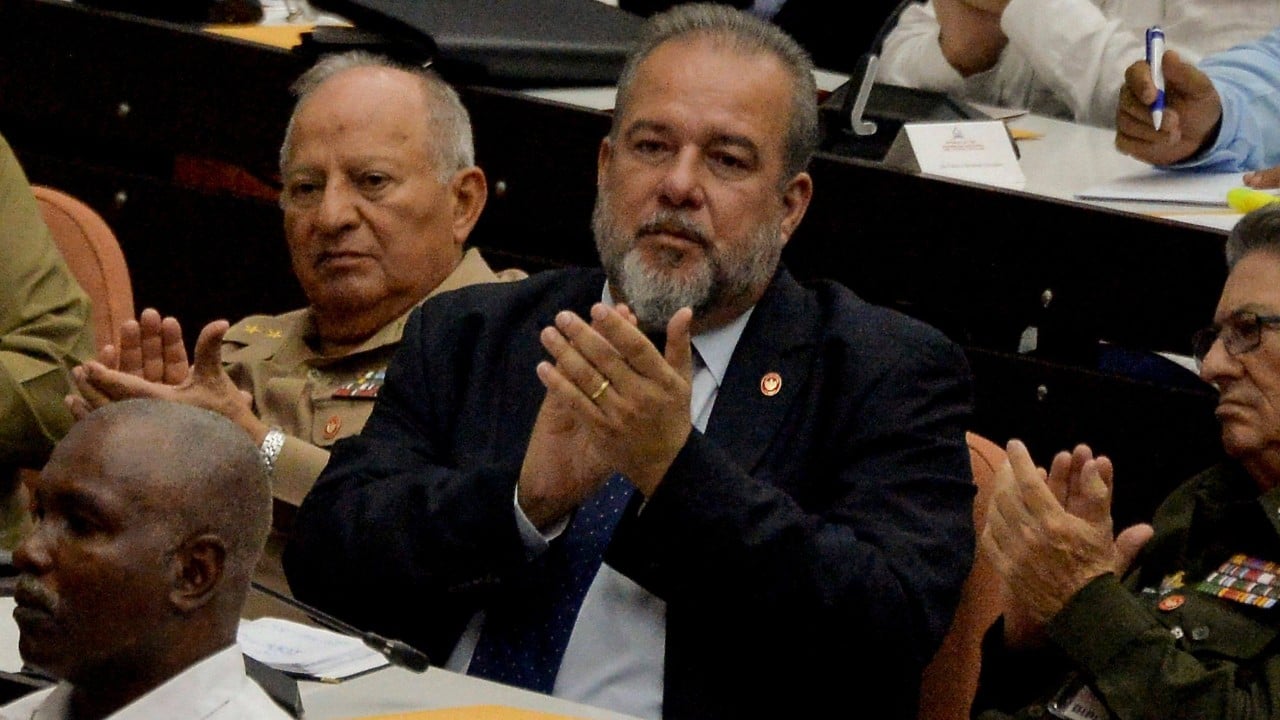
Cuba’s Communist Party and government approve a broad package of economic reforms aimed at opening the economy and increasing private activity and foreign participation. Multiple outlets describe the changes as among the most significant shifts in decades and the biggest overhaul of Cuba’s state-led model since the Cuban Revolution. The reforms are presented as part of a response to severe economic strain, including shortages of essentials and frequent electricity problems reported by some sources.
According to reports, the measures seek to liberalise or decentralise aspects of Cuba’s centrally managed system by expanding private business and private investment, attracting capital from Cubans abroad, and reducing the state’s direct role in key areas. Outlets also cite planned changes affecting sectors such as tourism, foreign trade, and other areas where the government is looking to increase economic activity.
Several reports link the timing to intensified U.S. pressure, including new sanctions, while Cuban officials and party statements describe the reforms as aligned with the country’s socialist project rather than a departure from it. Lawmakers are expected to consider and implement key parts of the package.