


Health authorities are investigating a suspected hantavirus outbreak aboard the MV Hondius, an Atlantic cruise ship. Reports say three passengers have died after falling ill with symptoms authorities associate with hantavirus, a rare disease. The World Health Organization (WHO) states that one laboratory-confirmed case has been identified and that additional suspected cases are under investigation. Several sources also report at least three other people are seriously ill. Cape Verde authorities have reportedly blocked the ship from docking as a public-health measure, leaving passengers onboard while suspected cases are evaluated and contacts are managed. The WHO has said the outbreak is being investigated, including how the infection may have spread on board. The ship reportedly started its voyage in March from southern Argentina and carries passengers from multiple countries. Health information shared by outlets notes that hantavirus is primarily linked to rodents and can cause a potentially severe lung disease. Authorities continue testing and coordination as passengers and crew remain in place pending further results.
WHO investigates suspected hantavirus outbreak aboard MV Hondius after three deaths
Health authorities are investigating a suspected hantavirus outbreak aboard the MV Hondius, an Atlantic cruise ship. Reports say three passengers have died after falling ill with symptoms authorities...
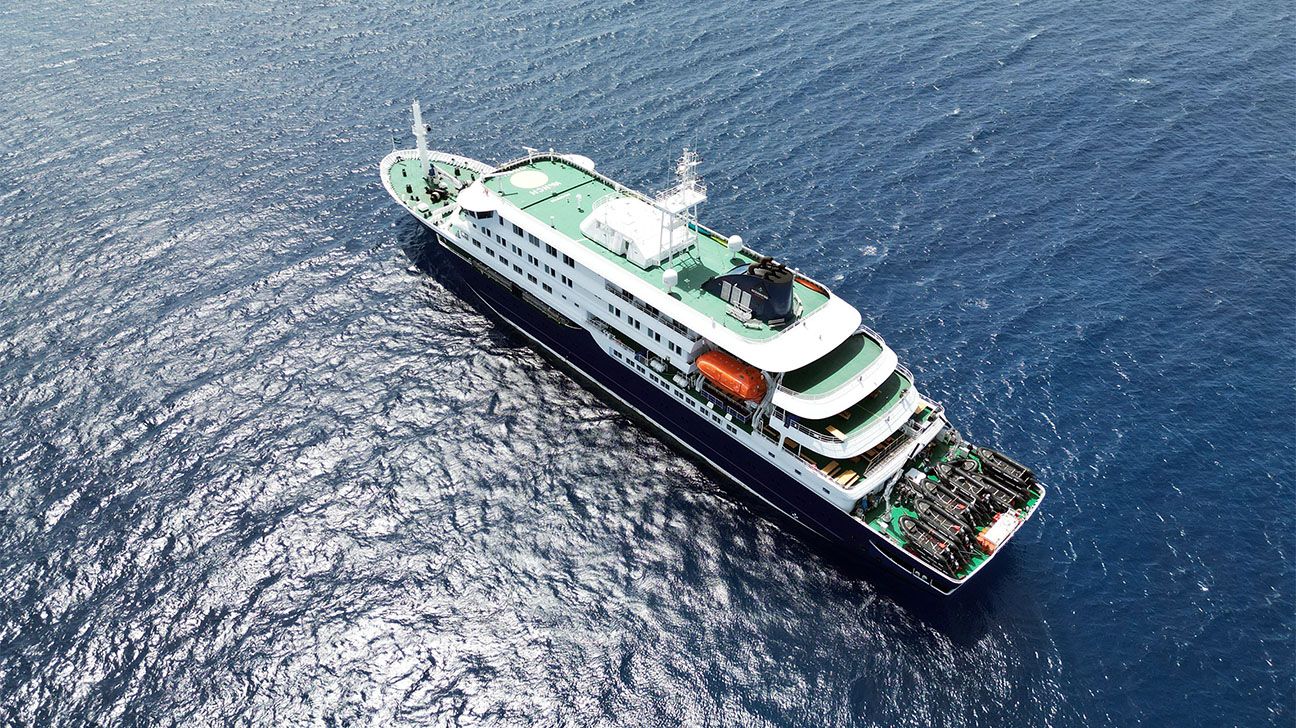
- The MV Hondius cruise ship in the Atlantic is the focus of a suspected hantavirus outbreak investigation.
- Three passengers have died and multiple others are reported seriously ill.
- WHO confirms one laboratory-confirmed hantavirus case and is investigating additional suspected cases.
- Cape Verde authorities reportedly prevent the ship from docking to protect public health.
- The investigation involves passengers and/or cases among people traveling on an international voyage, which began from southern Argentina in March.
Three passengers have died and several others have fallen ill aboard a cruise ship in a deadly hantavirus outbreak. AFP via Getty Images A cluster of three deaths among cruise ship passengers has raised concerns about a deadly hantavirus outbreak aboard a cruise ship in the Atlantic Ocean. A suspected 7 cases have been identified as investigators are working to determine whether the deaths are linked to hantavirus. The World Health Organization (WHO) maintains that the risk to the general public is low. Three people have died and several others have fallen ill aboard a Dutch cruise ship in what appears to be a deadly hantavirus outbreak. The MV Hondius, a cruise liner operated by Oceanwide Expeditions, is currently located in the waters near Praia, Cape Verde, a small archipelago in the Atlantic Ocean off the coast of West Africa. Officials in Cape Verde have refused to allow the ship to dock over fears that the suspected outbreak might spread to shore. A married Dutch couple and a German national who were passengers on the ship have died. A British national aboard the ship was evacuated and is being treated in South Africa. That passenger was the first to be diagnosed with hantavirus infection. The World Health Organization (WHO) reports that seven cases of hantavirus have been identified — two confirmed “laboratory cases” and five suspected cases. At this time, two of the three deaths have been linked to hantavirus. The WHO, which is managing the outbreak, maintains that the risk to the general public is low. Hantavirus cases in humans are rare. A recent case that made headlines involved the death of Betsy Arakawa, wife of acclaimed actor Gene Hackman, who was discovered dead in their New Mexico home in April 2024. While Arakawa’s cause of death was attributed to hantavirus, Hackman died of Alzheimer’s. While hantavirus infection is uncommon, it is often fatal. The onset typically begins with nonspecific, flu-like symptoms. Infection is most often transmitted through exposure to rodents’ urine or feces. Although human-to-human transmission is possible with a specific viral strain, such cases are exceptionally rare. Steven Bradfute, PhD, an associate professor at the University of New Mexico Health Sciences Center who specializes in hantavirus research, said the situation aboard the cruise ship was unusual. “Usually you have isolated cases, so to hear about a cruise ship with multiple people being infected was definitely not something on our radar,” he told Healthline. Roughly 150 people, including passengers and crew, from more than 20 nations, still remain aboard. The ship may next be bound for the islands of Las Palmas or Tenerife, farther north on the African coast, in hopes of allowing passengers to disembark and undergo medical screening. “[We are] working closely with local and international authorities,” said Oceanwide Expeditions in a statement on May 4. “Strict precautionary measures are in process on board, including isolation measures, hygiene protocols and medical monitoring. All passengers have been informed and are being supported. Oceanwide Expeditions is in close contact with those directly involved and their families, and is providing support where possible.” Timeline of the hantavirus outbreak at sea The incubation period for hantavirus ranges from 1 to 8 weeks after exposure. This may have complicated investigations aboard the ship and public health risk assessments. The Dutch-flagged MV Hondius, operated by Oceanwide Expeditions, left Ushuaia, southern Argentina, in March, roughly three weeks ago, on a long expedition cruise. Its route included several stops in the Atlantic Ocean, including Antarctica, the Falkland Islands, and Cape Verde. A 70-year-old Dutch man died on April 11 after reportedly developing fever, headache, and abdominal pain. On April 24, his body was removed in Saint Helena, a British territory in the South Atlantic. His wife, a 69-year-old Dutch woman, also disembarked, accompanying his body for repatriation. After disembarking, the woman began showing signs of illness during her journey home. She later died in South Africa at O. R. Tambo International Airport while attempting to return to the Netherlands. On April 27, the same day that the Dutch woman died, a British national aboard the MV Hondius became seriously ill after the ship left St. Helena. The passenger was subsequently transferred to South Africa and treated in Johannesburg. The patient is in critical but stable condition. This case was the first laboratory-confirmed hantavirus infection linked to the incident. Onboard the ship, the situation continued to escalate. A German national died on May 2; details are sparse and the cause of death has not yet been established by Oceanwide Expeditions or the World Health Organization (WHO). Two crew members, one British and one Dutch, have also reported symptoms consistent with possible hantavirus illness. One was described as mild, and the other as severe; both reportedly require urgent medical care. No other passengers with symptoms have been identified at this time. “It’s possible someone got the infection in Argentina, got on the boat, and it spread from person to person. It’s also possible that passengers on the boat got it from the rodents that were already present on the ship,” Bradfute said. The specific hantavirus associated with human-to-human transmission, known as Andes Virus, is present in Argentina, where the MV Hondius began its voyage, Bradfute explained. Hantavirus signs and symptoms Hantavirus is part of a group of related viruses that can cause serious illness in humans. It is most commonly transmitted through exposure to the urine, droppings, or saliva of wild rodents, including mice and rats. The virus can also spread through inhalation of contaminated dust or aerosolized particles stirred into the air, particularly in enclosed or poorly ventilated spaces. Symptoms of hantavirus infection vary by geographic region and virus type. ‘New World’ hantavirus In North and South America, so-called “New World” hantaviruses are most common. Early symptoms typically resemble the flu — fever, body aches, and vomiting — but can progress to a severe respiratory illness known as hantavirus pulmonary syndrome (HPS). In early 2024, a spate of deaths linked to HPS made headlines in the United States. Three individuals died in the rural area of Mammoth Lakes, CA. “In the United States, the principal pathogen is Sin Nombre virus, the most common cause of hantavirus pulmonary syndrome (HPS),” said Robert Glatter, MD, attending physician in the Department of Emergency Medicine at Lenox Hill Hospital in New York City, and assistant professor of Emergency Medicine at Zucker School of Medicine at Hofstra/ Northwell. “Exposure is classically linked to infected deer mice and to aerosolized rodent urine, droppings, saliva, or nesting material. U.S. cases remain concentrated in the western states, especially west of the Mississippi River, although sporadic cases occur elsewhere,” Glatter told Healthline. HPS affects the lungs, causing fluid buildup that makes breathing difficult. As oxygen levels drop, other organ systems can begin to fail. HPS is often fatal, with about 40% of infected individuals dying. Some estimates place the mortality rate as high as 50-60%. “The clinical presentation of HPS is deceptive at onset,” Glatter said. “Patients usually begin with a short febrile prodrome marked by fever, myalgias, malaise, headache, and often gastrointestinal symptoms. What makes hantavirus dangerous is the potential for abrupt progression over the next several days to cough, shortness of breath, noncardiogenic pulmonary edema, shock, and rapid respiratory failure,” he continued. Early warning signs of hantavirus may include low platelet counts, dehydration, high white blood counts, and mild elevation of liver enzymes, Glatter explained. ‘Old World’ hantavirus “Old World” hantaviruses are found primarily in Europe and Asia. Unlike their New World counterparts, these viruses can cause a different severe disease known as hemorrhagic fever with renal syndrome (HFRS). HFRS can cause internal bleeding, low blood pressure, and acute kidney failure. The mortality rate for HFRS can range from less than 1% to about 15%, depending on the specific virus strain. “Severe ‘Old World’ viruses such as Hantaan and Dobrava can carry materially higher fatality than milder viruses such as Puumala or often Seoul virus, whereas New World HPS viruses in the Americas can have fatality in the 30–40% range, and sometimes higher in specific South American outbreaks,” Glatter said. How is hantavirus treated? There are no approved vaccines or therapeutics available to treat HPS. Instead, the disease is treated through supportive care, primarily supplying the blood with oxygen. In extreme cases, patients may need to be connected to an extracorporeal membrane oxygenation (ECMO) machine to pump and oxygenate the blood. Despite the alarming reputation of hantavirus, Bradfute emphasizes that infection is both preventable and rare. “Panicking is not a good thing to do. We haven’t had huge hantavirus outbreaks like flu or COVID because these viruses just don’t transmit well,” Bradfute said. “Most hantaviruses are not spread person-to-person,” Glatter said. “CDC cruise guidance and reporting materials support that cruise-related public health reporting focuses mainly on gastrointestinal and respiratory illness and death reporting, not hantavirus as a typical onboard transmissible risk,” he noted.
Three people from the MV Hondius ship have died since it set sail from Argentina on April 1 for a cruise across the Atlantic Ocean.
5 months agoInternational health officials say the number of confirmed or suspected hantavirus cases stemming from the cruise ship outbreak has climbed to 11, including the three people who died. CBS News' Ian Lee and Dr. Céline Gounder have more.
5 months agoSo far, 11 hantavirus cases have been reported among people on the cruise, including three deaths.
5 months agoLabs of the American who tested positive found inconclusive
5 months agoGene Hackman’s wife was killed by hantavirus but the strain behind a cruise ship outbreak is more dangerous. Here’s why.
5 months agoHantavirus exposure can cause a lung disease that is fatal in nearly 4 out of 10 who are infected
5 months agoGlobal health officials are monitoring passengers from a cruise ship struck by a deadly hantavirus outbreak. CBS News' Tom Hanson reports.
5 months agoMIT Technology Review Explains: Let our writers untangle the complex, messy world of technology to help you understand what’s coming next. You can read more from the series here. Eight passengers aboard a Dutch-flagged cruise ship have contracted a type of hantavirus, a rare virus transmitted by rats. Three of them have died. As the ship…
5 months agoThree people have died and several others have fallen ill after a hantavirus outbreak on a cruise ship in the Atlantic.
5 months agoThree passengers have died after being on board a hantavirus-hit cruise ship that had been heading for the Canary Islands.
5 months agoThe ship at the center of the deadly hantavirus outbreak is heading to the Canary Islands as health officials scramble to track passengers who disembarked from the ship early. It comes as new suspected cases are popping in multiple countries, including in the United Kingdom and Singapore. NBC’s Daniele Hamamdjian reports for TODAY from Tenerife.
5 months agoWHO has confirmed five Hantavirus cases and three suspected infections linked to a cruise ship outbreak in the Atlantic, while stressing that the situation is not comparable to Covid-19
5 months agoThe woman who died from the virus in Johannesburg became critically ill during her journey home on an Atlantic Ocean cruise ship, MV Hondius.
5 months agoAn outbreak of the rare hantavirus unfolded over weeks on a cruise ship as it sailed across the Atlantic Ocean. At least three passengers have died and several others are sick and were evacuated from the ship. Health authorities are trying to trace passengers who left the ship previously and people who might have had contact with them. More than 140 passengers and crew members are still aboard the Dutch-flagged MV Hondius as it heads for Spain's Canary Islands. Hantavirus is a rodent-borne infection that in rare cases can be transmitted from person to person, though the World Health Organisation says the risk to the wider public is low because the virus can't easily be passed between people. Here's a timeline of the outbreak: April 1 --------- The ship sets off from Ushuaia in the far south of Argentina. Scheduled stops include Antarctica and several isolated South Atlantic Ocean islands. April 6 --------- A 70-year-old Dutch man becomes sick on board with fever, headache and
5 months agoGENEVA, Switzerland (AFP) — The World Health Organization (WHO) said Thursday that more hantavirus cases could emerge after the disease killed three passengers from a cruise ship but it expected the outbreak to be limited if precautions were taken. Another sick passenger from the MV Hondius landed in Europe earlier in the day, as the vessel headed to the Spanish Canary Islands and health officials scrambled to map the outbreak of the potentially deadly human-to-human strain. The fate of the Hondius sparked international alarm after three people travelling on it died, though health officials have played down fears of a wider global outbreak from the rat-borne virus, which is less contagious than COVID-19. WHO Chief Tedros Adhanom Ghebreyesus told journalists in Geneva that five confirmed and three suspected cases had been reported overall, including the three deaths. "Given the incubation period of the Andes virus, which can be up to six weeks, it's possible that more cases may be reported," he said, referring to the rare strain detected aboard the Hondius, which can be transmitted between humans. The Leiden University Medical Centre in the Netherlands later announced another patient had tested positive. But the WHO's Emergency Alert and Response Director Abdi Rahman Mahamud insisted: "We believe this will be a limited outbreak if the public health measures are implemented and solidarity shown across all countries." People thought to have contracted the virus are being treated or isolating in Britain, Germany, the Netherlands, Switzerland and South Africa. Hantavirus is a rare respiratory disease that is usually spread from infected rodents and can cause respiratory and cardiac distress as well as haemorrhagic fevers. There are no vaccines and no known cure for it. A passenger is thought to have contracted the virus before boarding the ship in Argentina and eventually infected others on board as it sailed across the Atlantic. Three evacuees were whisked away from the ship on Wednesday when it anchored off Cape Verde and a fourth landed on Thursday in Amsterdam, said the vessel's operator, Netherlands-based Oceanwide Expeditions. "No symptomatic individuals are present on board" the ship at the moment, as it sails toward the Spanish island of Tenerife, it said in a statement. The ship is scheduled to arrive there on Sunday and those on board evacuated. The ship's Dutch operator Oceanwide Expeditions said there were 149 people on the ship, including 88 passengers. Two people who returned to the United Kingdom (UK) from the ship have been advised to self-isolate, the UK Health Security Agency said, adding they were asymptomatic and insisting the risk to the public was "very low". Officials in Argentina said they planned to test rodents in the coastal city of Ushuaia, from where the ship had set sail on April 1. A Dutch man who had boarded in Ushuaia along with his wife died aboard the ship on April 11. The man's body was taken off the ship on April 24 in Saint Helena, an island in the south Atlantic where 29 other passengers disembarked, the ship's operator said. It said it was working to trace all passengers and crew who got on or off the ship since March 20. Ghebreyesus said the WHO had informed 12 countries that its nationals disembarked from the cruise ship on Saint Helena. The deceased man's wife — who left the ship to accompany his body to South Africa — died there 15 days later after also falling ill, with hantavirus confirmed as the cause on May 4. The couple had visited Chile, Uruguay and Argentina before the cruise, Argentine officials said. Chile's health ministry said the two passengers who died were not infected in that country as they travelled there at "a period that does not correspond to the incubation time". The WHO says the incubation period for hantavirus can be up to six weeks. The Dutch woman had flown on a commercial plane from the island of Saint Helena to Johannesburg while she was showing symptoms. Officials were trying to trace people on that flight, which South African-based carrier Airlink said was carrying 82 passengers and six crew. A German passenger died on May 2. Her body remains on the ship.
5 months agoThe World Health Organization said that one case of hantavirus infection had been confirmed. The risk to the wider public is low.
5 months agoThree people have died after becoming infected with hantavirus while onboard the MV Hondius cruise ship with officials now stating there are eight suspected cases and three confirmed infections
5 months agoMore than a dozen countries have been linked to the hantavirus outbreak, as the WHO confirms five cases of the disease. Alex Croft reports
5 months agoFollowing the tragic deaths of three passengers on a cruise ship, the WHO warns of potential hantavirus cases but reassures that the outbreak could remain limited if precautions are taken.
5 months agoGENEVA, Switzerland (AFP) — The World Health Organization (WHO) said Thursday there were now five confirmed hantavirus cases from the Atlantic cruise ship outbreak, with three more suspected -- and warned more cases were possible. The WHO said it expected the outbreak on the MV Hondius, currently sailing from Cape Verde to the Spanish island of Tenerife, to be limited, so long as public health measures were properly implemented. "So far, eight cases have been reported, including three deaths. Five of the eight cases have been confirmed as hantavirus, and the other three are suspected," WHO Chief Tedros Adhanom Ghebreyesus said. "The species of hantavirus involved in this case is the Andes virus, which is found in Latin America," he told journalists in Geneva. "Given the incubation period of the Andes virus, which can be up to six weeks, it's possible that more cases may be reported," he added. The Dutch-flagged ship left Ushuaia in Argentina on April 1 on its cruise north through the Atlantic Ocean to Cape Verde. It set sail north towards Tenerife on Wednesday. Tedros said he had been in regular contact with the ship's captain. "He told me morale has improved significantly since the ship started moving again. I thank him for everything he has done to protect those under his duty of care," he said. The WHO's emergency alert and response director, Abdi Rahman Mahamud, added: "We believe this will be a limited outbreak if the public health measures are implemented and solidarity shown across all countries." The rare disease is usually spread from infected rodents, typically through urine, droppings and saliva. The Andes virus is found in South America. It is the only strain of hantavirus with documented human-to-human transmission. Tedros said Argentina would send 2,500 diagnostic kits to laboratories in five countries. After leaving Ushuaia on its Atlantic voyage, the exploration vessel stopped at several remote islands along the way. The WHO said it had informed 12 countries that its nationals had disembarked the MV Hondius on Saint Helena. The ship called at the British territory from April 22 to 24. Its operator said that 30 guests had disembarked at that point, including the first fatality, a Dutchman who died on April 11. The 12 countries were Britain, Canada, Denmark, Germany, the Netherlands, New Zealand, Saint Kitts and Nevis, Singapore, Sweden, Switzerland, Turkey and the United States, Tedros said.
5 months agoVideo shows the captain of a cruise ship affected by a hantavirus outbreak informing passengers on April 12 that one person had died on board, saying the death was believed to be due to natural causes and was not infectious.
5 months ago[The Conversation Africa] The cruise ship cluster of hantavirus cases continues to grow. The World Health Organization reports that as of May 6 there were eight cases, three of whom are confirmed by laboratory testing as hantavirus. In recent days, we heard three passengers had died.
5 months ago[UN News] It's been confirmed that another passenger from the cruise liner linked to the outbreak of hantavirus has contracted the disease, which has claimed the lives of three people on board and sparked an international alert coordinated by the UN World Health Organization (WHO).
5 months agoThree people have died in the outbreak on the MV Hondius, with eight more suspected to have contracted the virus.
5 months agoGENEVA – Hantavirus victims on the ship Hundius in the Atlantic Ocean may have been infected prior to joining the cruise, and human-to-human transmission on board cannot be ruled out, the World Health Organization (WHO) said. The agency received reports of a hantavirus outbreak on the Hundius on May 2. Seven individuals of the 147 passengers and crew have been reported ill and three have died. The situation remains fluid, WHO’s chief of Epidemic and Pandemic Preparedness and Prevention Maria Van Kerkhove told reporters in Geneva. “One patient is in intensive care in South Africa, although we understand that this patient […]...Keep on reading: Deadly hantavirus on cruise ship may be transmitted among humans
5 months agoA deadly strain of hantavirus broke out aboard a cruise ship for the first time, with more than 150 people on board. With three deaths among eight confirmed cases so far, Dr. Céline Gounder discusses the wider risks.
5 months agoInvestigators are racing to control a deadly outbreak of hantavirus, the first ever recorded on a cruise ship. More than 140 people are still on board, including 17 Americans. Tom Hanson reports.
5 months agoTwo MV Hondius passengers that were killed by hantavirus likely contracted it while bird-watching in Argentina – then brought it on board the now-stranded cruise liner, according to investigators.
5 months agoTwo passengers who came off a cruise ship infected with hantavirus may have a rare strain that can spread from one human to another, South African health officials say. Tom Hanson has the latest.
5 months agoThe hantavirus strain that's killed three people on a cruise ship can be spread by human contact, but there aren't fears about a wider public outbreak.
5 months agoIt’s been confirmed that another passenger from the cruise liner linked to the outbreak of hantavirus has contracted the disease, which has claimed the lives of three people on board and sparked an international alert coordinated by the UN World Health Organization (WHO).
5 months agoAndes strain the cause of infection in two cases, says South Africa’s National Institute for Communicable DiseasesEurope live – latest updatesWhat is hantavirus?A luxury cruise ship hit by a deadly hantavirus outbreak and marooned for days off the coast of Cape Verde with close to 150 people onboard was due to head to Spain, while South Africa confirmed it had identified among the victims a strain of the virus that can – in rare cases – spread among humans.The Swiss government said a man who returned to Switzerland after being a passenger on the MV Hondius was infected with the hantavirus and was being treated in Zurich. It said there was no danger to the broader population. Continue reading...
5 months agoThe World Health Organization (WHO) confirmed two cases of the virus, with five additional individuals suspected of infection, as the vessel remains docked in the Atlantic near Cape Verde.
5 months agoNPR's A Martinez speaks with Dr. Celine Gounder about the deadly hantavirus outbreak on a cruise ship in the Atlantic Ocean.
5 months agoThree people have died from a suspected hantavirus outbreak on a cruise ship sailing between Argentina and Cape Verde. The World Health Organization confirms one case, but the public risk remains low. Experts are investigating potential human-to-human transmission.
5 months agoGENEVA — Hantavirus, associated with fatalities aboard a cruise ship in the Atlantic Ocean, is carried by rodents and can be lethal when passed to humans. Dutch cruise operator Oceanwide Expeditions said on Monday that it was handling a “serious medical situation” aboard the MV Hondius while the vessel was en route from Argentina to […]...Keep on reading: Hantavirus: Deadly rodent-borne disease with no known cure
5 months agoThree people have died and several others have fallen ill from the rare but highly deadly virus.
5 months agoA rare form of hantavirus is believed to have spread person-to-person on board a cruise ship. Three people are dead, four more are ill and nearly 150 others are stranded aboard the ship, where they will stay potentially for months until they are cleared to leave. Tom Hanson has more.
5 months agoThree people are dead and nearly 150 remained quarantined Tuesday on a cruise ship off the coast of West Africa, as the World Health Organization investigates an outbreak of the rare but deadly hantavirus on board. William Brangham speaks with Dr. Céline Gounder, an infectious disease specialist, epidemiologist and editor-at-large for public health at KFF News, to learn more.
5 months agoA suspected hantavirus outbreak, a rare but deadly disease that attacks the lungs, killed three people and several others have become severely ill aboard a luxury cruise ship.
5 months agoCruise ships nowadays, especially post-COVID, take every precaution possible to mitigate the spread of viruses. Still, sometimes it’s a losing effort. That’s become painfully clear as a cruise ship bound for the Canary Islands now drifts in limbo after a hantavirus outbreak that has sickened several passengers and killed three. The New York Times reports […] The post How Bad Is Hantavirus, the Illness That’s Killed 3 Cruise Ship Passengers? appeared first on VICE.
5 months agoMedical teams have boarded a stranded cruise ship to investigate three deaths from hantavirus.
5 months agoMedical teams have boarded a stranded cruise ship to investigate three deaths from hantavirus.
5 months agoMedical teams have boarded a stranded cruise ship to investigate three deaths from hantavirus.
5 months agoA rare, rodent-borne illness potentially at the center of an outbreak that has killed three people, sickened others, and left passengers stranded aboard a cruise ship has been detected in the U.S.
5 months agoA United Nations health agency says the risk to the wider public is low after three people died following a suspected outbreak of hantavirus on a cruise ship.
5 months agoHealth authorities said three passengers from the MV Hondius had died after showing symptoms of the rare disease, with another critically ill and three more showing mild symptoms.
5 months agoA suspected hantavirus outbreak on the MV Hondius has killed three people and sickened at least four others, officials said.
5 months agoThree passengers have died and at least four people are sick in what health officials say is an outbreak of hantavirus, which usually spreads by inhaling contaminated rodent droppings.
5 months agoThree passengers have died and at least four people are sick.
5 months agoThree people have died after an outbreak of hantavirus onboard a cruise ship travelling from Argentina to Cape Verde. The World Health Organization says that a total of seven cases – two confirmed by laboratory testing and five suspected – have been identified on the cruise ship so far. They are also investigating whether rare human-to-human transmission of the virus could be behind the cases. Madeleine Finlay talks to Prof Jonathan Ball from Liverpool School of Tropical Medicine to find out where the virus comes from, how it is transmitted to humans, and what health agencies will be doing to try to contain itBritish crew member in need of urgent medical care amid suspected hantavirus outbreak on cruise shipSupport the Guardian: theguardian.com/sciencepod Continue reading...
5 months agoSeven passengers on a cruise ship in the Atlantic Ocean, including three who have died, are either confirmed or suspected to have hantavirus, according to the World Health Organization.
5 months agoJust like lassa fever, the virus is primarily carried by rodents such as mice and rats, which serve as the main reservoir and source of human infection. The post Hantavirus: WHO confirms outbreak on cruise ship, three dead, seven infected appeared first on Premium Times Nigeria.
5 months agoHealth officials believe a rare strain of hantavirus that spreads from person-to-person and has a 40% mortality rate is responsible for the outbreak on the MV Hondius cruise ship that has killed three passengers, and sickened seven others. Though hantavirus is typically only spread through rodent droppings, this particular strain is an alarming exception –...
5 months agoSeven cases of hantavirus have been confirmed aboard a cruise ship, leading to three deaths and a critical patient. The World Health Organization is investigating the outbreak, which has affected passengers from 23 nationalities.
5 months ago(MedPage Today) -- The nearly 150 people aboard a cruise ship off the coast of Cape Verde have been mostly confined to their cabins, according to footage obtained by the Associated Press, after three passengers died and at least four others were...
5 months ago(MedPage Today) -- Infectious disease experts suspect that Andes virus, a type of hantavirus that causes cardiopulmonary syndrome, is responsible for an outbreak aboard a small cruise ship that has killed three people and potentially infected at...
5 months agoThe WHO says rare human-to-human hantavirus transmission may have occurred aboard a cruise ship where three passengers died and four were sickened.
5 months agoBriton to be evacuated from MV Hondius with Dutch colleague, after both began suffering respiratory symptomsWhat is hantavirus, the infection thought to have killed three on cruise ship?A British crew member who became ill after a suspected outbreak of hantavirus on a luxury cruise ship in the Atlantic Ocean is to be medically evacuated, officials have said.The crew member is being prepared for medical evacuation from the MV Hondius along with a Dutch colleague, with Dutch authorities overseeing the operation. The two crew members needed “urgent medical care” after experiencing respiratory symptoms, the tour operator Oceanwide Expeditions said. Continue reading...
5 months agoTwo cases of a rare virus have been confirmed on board a cruise ship where a total of three people have died, according to the World Health Organization. One adult woman has died and one adult man is hospitalized in a South African intensive care unit as a result of a hantavirus infection, lab tests...
5 months agoThree passengers have died after a suspected outbreak of hantavirus ripped through an Atlantic Ocean cruise ship, the MV Hondius.
5 months agoThree passengers on the cruise ship MV Hondius have died due to an outbreak of hantavirus, a rare illness transmitted by rodents
5 months agoThree people have died on board the cruise ship MV Hondius due to an outbreak of hantavirus, a rare illness transmitted by rodents
5 months agoGENEVA, Switzerland (AFP)—Two hantavirus cases have been confirmed and five others are suspected among people on a cruise ship stuck off Cape Verde, including three who have died, the WHO said Tuesday. The World Health Organization said it was trying to contact passengers on an April 25 flight between Saint Helena and Johannesburg, taken by one of the sickened cruise ship passengers, who died the next day. "As of 4 May 2026, seven cases (two laboratory confirmed cases of hantavirus and five suspected cases) have been identified, including three deaths, one critically ill patient and three individuals reporting mild symptoms," the United Nations health agency said in a statement. During the cruise, which was travelling from Ushuaia in Argentina to Cape Verde off west Africa, "illness onset occurred between 6 and 28 April 2026," WHO said. It was "characterised by fever, gastrointestinal symptoms, rapid progression to pneumonia, acute respiratory distress syndrome and shock," it said, adding that "further investigations are ongoing". WHO stressed that it assessed the risk to the global population from outbreak as "low", adding that it would continue to monitor the situation. Passengers from Britain, Spain and the United States, as well as crew from the Philippines, were among 23 nationalities aboard the MV Hondius, which WHO said was currently carrying 147 people. A British passenger was in intensive care in Johannesburg and two crew -- one British and the other Dutch -- required "urgent medical care", the ship's operator Oceanwide Expeditions said in a statement. Three of the identified cases were no longer on the ship and four remained on board, including a German who died on Saturday. The first deaths among the passengers were a Dutch couple -- a husband who died on board on April 11 and his wife who died after she disembarked the boat in St Helena to accompany his body, the operator said. WHO said that the wife who left the ship with her dead husband on April 24, had been suffering from "gastrointestinal symptoms". "She subsequently deteriorated during a flight to Johannesburg, South Africa, on 25 April," it said, adding that "she later died upon arrival at the emergency department on 26 April". "On 4 May, the case was subsequently confirmed by PCR with hantavirus infection," it said, stressing that "contact tracing for passengers on the flight has been initiated". Human hantavirus infection is a rare but severe and potentially deadly disease that is primarily acquired through contact with the urine, faeces, or saliva of infected rodents, WHO said. However, human-to-human transmission has also been reported in previous outbreaks.
5 months agoTwo cases of the virus, which rarely spreads between humans, have been confirmed on the ship, and three people have died.
5 months agoThe nearly 150 people aboard a cruise ship off the coast of Cape Verde have been mostly confined to their cabins, according to footage obtained by The Associated Press, after three passengers died and at least four others were left ill in a suspected hantavirus outbreak.
5 months agoA cluster of cases aboard the ship off Cape Verde may be linked to a type of hantavirus found in Argentina that can spread from person to person, the World Health Organization said.
5 months agoA luxury cruise ship has recorded three deaths from a suspected outbreak.
5 months agoA Dutch couple and a German national have died, while a British national was evacuated from the ship and is in intensive care in South Africa, officials said.
5 months agoThree people have died on a cruise ship in the Atlantic, reportedly from hantavirus. The disease has been confirmed in another traveler. What are the symptoms of the virus, and how does infection occur?
5 months agoHantavirus victims on a ship in the Atlantic Ocean may have been infected prior to joining the cruise and human-to-human transmission on board cannot be ruled out – although it is rare - the World Health Organization (WHO) said on Tuesday.
5 months agoThe nearly 150 people aboard a cruise ship off the coast of Cape Verde have been mostly confined to their cabins, according to footage obtained by The Associated Press, after three passengers died and at least four people were left ill in a suspected hantavirus outbreak
5 months agoThe World Health Organization says no rats were found on board the cruise vessel where the outbreak has taken hold, with three people having died of confirmed or suspected infections of the rat-borne virus.
5 months agoThe World Health Organization on Tuesday said it had confirmed two hantavirus cases and suspected five others among people on a cruise ship stuck off Cape Verde. The WHO added that there may be some human-to-human transmission happening between close contacts on board the stricken cruise ship, though the risk to the wider public remained low.
5 months agoOne particularly deadly strain of hantavirus is transmitted by humans — and found in the area of Argentina where MV Hondius cruise passengers had previously visited.
5 months agoTwo hantavirus cases have been confirmed and five others are suspected among people on a cruise ship stuck off Cape Verde, including three who have died, the WHO said Tuesday. The post WHO says two hantavirus cases confirmed, five suspected on cruise ship appeared first on Vanguard News.
5 months agoA passenger trapped on board a cruise ship off the coast of West Africa has issued an emotional plea as medics worked to evacuate people showing symptoms of the deadly hantavirus, after a suspected outbreak aboard that has killed three people.
5 months agoHantavirus, a rare disease typically caused by exposure to infected rodents’ urine or feces, is suspected in the deaths of three people after an outbreak aboard a cruise ship in the Atlantic Ocean. One hantavirus case has been confirmed, according to the World Health Organization (WHO), with five more suspected cases under investigation. The ship … The post What is hantavirus and how does it spread? appeared first on Egypt Independent.
5 months agoTwo cases of the deadly hantavirus have been confirmed, and five more are suspectedamong people who were on a luxury cruise ship now held in the Atlantic near Cape Verde, the World Health Organization said in its most detailed update on the outbreak. Around 150 people are still stuck on the Hondius that was carrying […]
5 months agoGENEVA — Two hantavirus cases have been confirmed and five others are suspected among people on a cruise ship stuck off Cape Verde, including three who have died, the WHO said Tuesday. “As of 4 May 2026, seven cases (two laboratory confirmed cases of hantavirus and five suspected cases) have been identified, including three deaths, one critically ill patient and three individuals reporting mild symptoms,” the World Health Organization said in a statement. Three of the people are no longer on the ship and four remain on board. /dl READ: Hantavirus emergency: Filipinos make up bulk of MV Hondius crew...Keep on reading: WHO says 2 hantavirus cases confirmed, 5 suspected on cruise ship
5 months agoA hantavirus outbreak tied to a cruise ship off Cabo Verde has grown to seven cases, including two confirmed infections, the World Health Organization said on Monday, with three deaths among those linked to the voyage. The Dutch-flagged MV Hondius is carrying 147 passengers and crew from 23 countries. Among the passengers are 17 Americans, 19 Britons and 13 from Spain. Sixty-one crew members are also on board. Of the seven cases identified, one British passenger in intensive care in Johannesburg...
5 months agoCAPE TOWN, South Africa — A cruise ship with nearly 150 people aboard was waiting for help off the coast of Cape Verde in the Atlantic Ocean on Monday after three passengers died and at least three other people were left seriously ill in a suspected outbreak of the rare hantavirus, according to the World Health Organization and the ship's operator. The MV Hondius, a Dutch ship on a weekslong polar cruise from Argentina to Antarctica and several isolated islands in the South Atlantic, had requested help from local health authorities after making its way to the island of Cape Verde, off the West Africa coast. But no one has been allowed to disembark, Netherlands-based operator Oceanwide Expeditions said. Cape Verde's Health Ministry said Monday that for now, it will not allow the ship to dock because of public health concerns and that it would stay in open waters close to shore. Hantavirus is a rodent-borne illness spread by contact with rodents or their urine, saliva or droppings. WHO says that while it is rare, hantavirus may spread between people. It was unclear how an outbreak could
5 months agoWhile rare, the disease can be transmitted to humans through inhalation of airborne particles from dried rodent droppings.
5 months agoA cruise ship with nearly 150 people aboard was waiting for help off the coast of Cape Verde in the Atlantic Ocean after three passengers died in a suspected outbreak of the rare hantavirus.
5 months agoAn apparent hantavirus outbreak has killed three people on a cruise ship in the Atlantic Ocean. CBS News' Tom Hanson and Dr. Céline Gounder have more.
5 months agoHantavirus is suspected of spreading aboard a luxury cruise ship, killing three passengers and sparking new concerns as a once obscure disease, with an extraordinarily high death rate, rises amid changing climate conditions.
5 months agoThe World Health Organization said that seven cases of hantavirus have been identified after an outbreak on a cruise ship held off West Africa.
5 months agoThe World Health Organization said that seven cases of hantavirus have been identified after a suspected outbreak on a luxury cruise ship held off West Africa carrying mostly British, American and Spanish passengers.
5 months agoCAPE TOWN, South Africa – A cruise ship with nearly 150 people aboard was waiting for help off the coast of Cape Verde in the Atlantic Ocean on Monday after three passengers died and at least three other people were left seriously ill in a suspected outbreak of the rare hantavirus, according to the World Health Organization and the ship’s operator. The MV Hondius, a Dutch ship on a weekslong polar cruise from Argentina to Antarctica and several isolated islands in the South Atlantic, had requested help from local health authorities after making its way to the island of Cape […]...Keep on reading: Cruise ship awaits aid after 3 die in suspected hantavirus outbreak
5 months agoA suspected outbreak of hantavirus on a cruise ship has killed three people, officials say. Tom Hanson reports.
5 months agoTonight, passengers are trapped on a cruise ship off the coast of Africa because of a suspected Hantavirus outbreak that’s left three people dead, one in intensive care, and three more requiring ‘urgent medical care’ on board. NBC News’ Camila Bernal has the latest.
5 months agoSeven cases of the deadly hantavirus have now been identified in a suspected outbreak on a luxury cruise ship off West Africa.
5 months agoA passenger aboard the m/v Hondius described fear and uncertainty as three have died and a suspected hantavirus outbreak remains under investigation.
5 months agoHantavirus, being linked to deaths on a cruise ship in the Atlantic Ocean, circulates in rodents and can be deadly when transmitted to humans. Dutch cruise operator Oceanwide Expeditions confirmed Monday it was dealing with "a serious medical situation" on board the MV Hondius, travelling from Argentina to Cape Verde. FRANCE 24's Sharon Gaffney speaks with Nicolas Locker, Professor of Virology at the Pirbright Institute.
5 months agoThree people have died after a suspected outbreak of hantavirus on board a cruise ship sailing between Argentina and Cape Verde. The post What is hantavirus, and can it spread between humans? appeared first on Vanguard News.
5 months agoThe MV Hondius vessel has been anchored in the Atlantic since Sunday, following the death of three passengers after an outbreak of the deadly hantavirus disease.
5 months agoHantavirus exposure can cause a lung disease that is fatal in nearly 4 out of 10 who are infected
5 months agoA suspected outbreak of the rare hantavirus on a cruise ship in the Atlantic off Africa killed three people and sickened at least three others, health officials say.
5 months agoA suspected hantavirus outbreak on an Atlantic cruise ship has killed at least three people. Learn about symptoms, spread and prevention tips.
5 months agoThree people have died and three more have fallen ill on a cruise ship in the Atlantic Ocean, and hantaviruses may be behind the cases.
5 months agoSeveral deaths and sicknesses on a cruise ship in the Atlantic Ocean are being blamed on the rare hantavirus infection. CBS News' Ramy Inocencio reports.
5 months agoCape Verde blocks MV Hondius from docking in order ‘to protect public health’ after deaths of three passengersWhat is hantavirus, the infection thought to have killed three on cruise ship?Medics are scrambling to evacuate two people from a luxury cruise ship stranded off the coast of Cape Verde, after a suspected outbreak of a rare respiratory virus killed three people, left three others seriously ill and forced nearly 150 people from across the world to isolate onboard.The plight of the MV Hondius, which set off in March from southern Argentina carrying 149 people from 23 countries, emerged late on Sunday after the World Health Organization said it was investigating a suspected outbreak of hantavirus, a disease primarily found in rodents. Continue reading...
5 months agoA luxury cruise ship is currently being held off the coast of West Africa after a suspected outbreak of hantavirus—a rare infectious disease typically carried by rodents—killed three passengers and infected three others. The World Health Organization (WHO) shared the news of the suspected outbreak in a post to X. According to the organization, one case of hantavirus on the ship, MV Hondius, had been confirmed through laboratory testing, and there are five additional suspected cases. Of those six affected individuals, three have died and one is currently in intensive care in South Africa. According to an official update from Dutch company Oceanwide Expeditions, the operator of the ship, two crew members are still on board the ship with acute respiratory symptoms, both of whom require immediate care. As of Monday morning, medics were working to evacuate them. Meanwhile, 149 passengers remain stuck on the ship as local medical teams and authorities work to determine how to proceed. “Strict precautionary measures are in process on board, including isolation measures, hygiene protocols and medical monitoring,” Oceanwide’s statement reads. “All passengers have been informed and are being supported.” Foster Mohale, a spokesman for the National Department of Health in South Africa, told The New York Times that “There is no need for the public to panic, because only two patients from the cruise ship have been within our borders.” As the situation develops, here’s what to know about the hantavirus: What is hantavirus? Hantaviruses are a family of viruses that can cause serious illness and, in some cases, death. According to the Centers for Disease Control and Prevention (CDC), hantavirus infection can lead to two main syndromes: hantavirus pulmonary syndrome (HPS), which is typically found in the Western hemisphere hemorrhagic fever with renal syndrome (HFRS), which is typically found in Europe and Asia As of the end of 2023, the CDC reported 890 total confirmed cases of hantavirus disease in the U.S. since surveillance began in 1993. How does it spread? All hantaviruses spread primarily through contact with rodents. Typically, the Mayo Clinic notes, infection is caused by “inhaling hantaviruses that have become airborne from rodent urine, droppings, or saliva.” Hantaviruses can also spread through contact with infected people, though the WHO says these cases are extremely rare. What are the symptoms? While HPS and HFRS are both diseases caused by hantavirus strains, their symptoms and impacts are different. HPS is a disease that affects the lungs. Symptoms typically start to show between one and eight weeks after contact with an infected rodent and, in early stages, include markers like fatigue, fever, and muscle aches. As the disease progresses, late-stage symptoms look like coughing and shortness of breath. Per the CDC, 38% of people who develop respiratory symptoms die from the disease. Unlike HPS, HFRS primarily impacts the kidneys. Symptoms usually develop between one to two weeks after contact with an infected rodent, and include intense headaches, back and abdominal pain, fever, blurred vision, and nausea. Later symptoms include low blood pressure, internal bleeding, and acute kidney failure. The severity of the disease depends on which strain of hantavirus infected the patient, as some (Hantaan and Dobrava, for example) lead to more severe illness, while others (Seoul, Saaremaa, and Puumala) are typically less harmful. How to prevent hantavirus from spreading Given that hantavirus is primarily carried and spread by rodents, both the CDC and the Mayo Clinic say that eliminating contact with rodents is the best way to avoid infection. That means sealing holes or gaps in your home or garage, cleaning up any easy-to-access food, setting traps, and taking precautions (like a mask, gloves, and disinfectant) while cleaning up any rodent droppings. In regard to the MV Hondius outbreak, Hans Kluge, the WHO’s regional director for Europe, told Reuters, “The risk to the wider public remains low,” adding that there’s no need for panic or travel restrictions.
5 months ago3 Dead, 149 Trapped Onboard: Track Cruise Ship With Suspected Deadly Virus Outbreak A luxury cruise ship carrying 149 passengers and crew is facing a suspected hantavirus outbreak that has already left three people dead. The vessel is currently anchored offshore near Cape Verde, the island nation in the central Atlantic off the west coast of Africa, as health officials rush to assess the scale of the outbreak. The MV Hondius is currently anchored offshore near Praia, the capital and largest city of Cape Verde. Ship-tracking data show the vessel anchored just off the coast on Sunday after transiting from Argentina, with its prior voyage originating near the Antarctic Peninsula. Track the virus-plagued ship. Hondius's operator, Oceanwide Expeditions, told BBC News that a Dutch husband and wife, as well as a German national, had died but did not reveal the cause of death. However, the Dutch company said hantavirus was confirmed in a 69-year-old UK national who is in intensive care in Johannesburg, South Africa. The main transmission risk of the deadly virus to humans is through infected rodent urine, droppings, saliva, or contaminated dust, especially in poorly ventilated areas. People can inhale contaminated particles when rodent waste is disturbed. Oceanwide Expeditions confirmed two other crew members on board "with acute respiratory symptoms, one mild and one severe." "It is not entirely uncommon for rodents to hitch a ride on a ship, which would be one possibility," Charlotte Hammer, assistant professor and infectious disease epidemiologist at the University of Cambridge, told the UK Science Media Center. Hammer noted, "People having been infected when the ship last made port in Argentina is another possibility. The last possibility would be human-to- human transmission, which, particularly at scale, would be very unlikely." Bloomberg quoted the World Health Organization, which is "facilitating coordination between member states and the ship's operators for medical evacuation of two symptomatic passengers, as well as a full public health risk assessment and support to the remaining passengers on board." This is yet another reminder of why cruises are a terrible way to spend a holiday. Tyler Durden Mon, 05/04/2026 - 12:20
5 months agoThere is no specific treatment or cure for hantavirus infections, but early medical attention can increase the chance of survival.
5 months agoThree people have died and others have been sickened by what health authorities suspect is a hantavirus outbreak on a cruise ship in the Atlantic Ocean.
5 months agoThe World Health Organisation confirmed six suspected cases of hantavirus infection on the MV Hondius, travelling from Ushuaia in Argentina to Cape Verde in Africa.
5 months agoThree people have died and three others are ill after a Netherlands-based cruise ship in the Atlantic was hit by a suspected outbreak of hantavirus. The virus is transmitted to humans through infected wild rodents, such as mice or rats, which shed the virus in their saliva, urine and droppings. In rare cases, it can also spread from human to human. FRANCE 24's Environment Editor Valerie Dekimpe tells us more.
5 months agoThough cases of hantavirus are often deadly, it doesn't spread easily between people.
5 months agoThree passengers of the MV Hondius died after showing symptoms of the rare disease. Health authorities confirmed one case and are investigating five others.
5 months ago(MedPage Today) -- A rodent-borne illness is suspected of causing an outbreak aboard a cruise ship that has killed three people and sickened others. Studies indicate hantaviruses have been around for centuries, with outbreaks documented in Asia...
5 months agoALBUQUERQUE, N.M. — A rodent-borne illness is suspected of causing an outbreak aboard a cruise ship that has killed three people and sickened others. Studies indicate hantaviruses have been around for centuries, with outbreaks documented in Asia and Europe. In the Eastern Hemisphere, it has been linked with hemorrhagic fever and kidney failure. It wasn’t until the early 1990s that a previously unknown group of hantaviruses emerged in the southwestern United States as the cause of an acute respiratory disease now known as hantavirus pulmonary syndrome. What is hantavirus? According to the U.S. Centers for Disease Control and Prevention, Hantaviruses are a […]...Keep on reading: Hantavirus: What to know about this deadly virus
5 months agoA rodent-borne illness is suspected of causing an outbreak aboard a cruise ship that has killed three people and sickened others. Here's what to know about hantavirus.
5 months agoA Dutch cruise ship with nearly 150 people aboard, including 17 Americans, was waiting for help off the coast of Cape Verde in the Atlantic Ocean on Monday after a suspected outbreak of the rare hantavirus killed three passengers and left at least three others seriously ill, the World Health Organization and the ship's operator said. Here's a look at what we know about the virus.
5 months agoA Dutch cruise ship carrying 149 people of 23 nationalities is awaiting urgent assistance off Cape Verde after a suspected hantavirus outbreak left three passengers dead and others seriously ill. Health authorities and the World Health Organization are investigating as the vessel remains under strict isolation.
5 months agoWorld Health Organization says risk to the general public remains low despite suspected outbreak on the MV Hondius.
5 months agoA Dutch cruise ship with nearly 150 people on board including 17 Americans is waiting for help off Cape Verde after a suspected hantavirus outbreak killed three passengers
5 months agoHealth officials say six people were sickened and three have died from a suspected hantavirus outbreak on a cruise ship. Hantavirus is a rare virus spread by rodents. Ramy Inocencio reports.
5 months agoHantavirus outbreak suspected in 3 cruise ship deaths
5 months agoWhat is the hantavirus that killed three people on a cruise ship
5 months agoA suspected hantavirus outbreak on a cruise ship has left three people dead and another person in intensive care. The ship is currently docked in the Atlantic Ocean off the coast of West Africa, and the operating company says passengers, including the two still on board believed to have the virus, have not been allowed to get off the boat. NBC’s Camila Bernal reports for TODAY.
5 months agoHantavirus, the disease which has caused a deadly outbreak on a cruise ship in the southern Atlantic, circulates in rodents and can be deadly when transmitted to humans.
5 months agoThe hantavirus outbreak occurred on the MV Hondius cruise ship, travelling from Ushuaia in Argentina to Cape Verde.
5 months agoA British national is now fighting for his life as the death toll reaches three
5 months ago[The Conversation Africa] Three people have died after a suspected outbreak of hantavirus on a cruise ship in the middle of the Atlantic ocean. At least one other passenger is in intensive care in South Africa.
5 months agoA suspected hantavirus outbreak on Atlantic cruise ship MV Hondius has killed three and left others critical, as WHO probes how the deadly virus spread.
5 months ago[UN News] Three people have died and three others are ill following suspected cases of hantavirus infection on a cruise ship in the Atlantic, the World Health Organization (WHO) said on Sunday.
5 months agoAuthorities are racing to contain a suspected outbreak of a rare respiratory disease. A microbiologist explains what it is and how it spreads.
5 months ago[DW] The virus usually spreads by contact with the urine or feces of infected rodents like rats and mice. It can cause a severe and sometimes deadly lung infection.
5 months agoThe MV Hondius cruise ship is currently under investigation by health authorities
5 months ago[Leadership] Three people have died following an outbreak of a rare infectious disease aboard the MV Hondius, a cruise ship travelling across the Atlantic, according to the World Health Organisation (WHO).
5 months agoA rodent-borne illness is suspected of causing an outbreak aboard a cruise ship that has killed three people and sickened others. Studies indicate hantaviruses have been around for centuries, with outbreaks documented in Asia and Europe. In the Eastern Hemisphere, it has been linked with hemorrhagic fever and kidney failure. It wasn't until the early 1990s that a previously unknown group of hantaviruses emerged in the southwestern United States as the cause of an acute respiratory disease now known as hantavirus pulmonary syndrome. The disease gained attention last year after the late actor Gene Hackman's wife, Betsy Arakawa, died from a hantavirus infection in New Mexico. The World Health Organisation said in a statement Sunday that detailed investigations of the cruise ship outbreak are ongoing, including further laboratory testing and epidemiological investigations. Sequencing of the virus is also ongoing. The virus is spread by rodents and, more rarely, ...
5 months agoThe virus that is believed to be responsible for the deaths of three people and the illnesses of three others aboard a cruise ship over the weekend is a relatively rare but devastating threat without a vaccine, treatment or cure.
5 months agoThree people have died and three are ill after a Netherlands-based cruise ship was hit by a suspected outbreak of hantavirus.
5 months agoA suspected outbreak of the rare hantavirus infection on a cruise ship in the Atlantic Ocean killed three people, including an elderly married couple, and sickened at least three others, the World Health Organisation and South Africa's Department of Health said Sunday. In a statement to The Associated Press, WHO said an investigation was underway but that at least one case of hantavirus had been confirmed. One of the patients was in intensive care in a South African hospital, the UN's health agency said, and it was working with authorities to evacuate two others with symptoms from the ship. The Dutch company that operates the cruise said the ship was now sitting off the coast of Cape Verde, an island nation off Africa's west coast, and local authorities were assisting but had not allowed anyone to disembark. It said the two sick people onboard requiring urgent medical care were crew members. Hantavirus infections are spread mainly by rodents Hantaviruses, which are found throughout
5 months agoPRAIA, Cape Verde - Three people have died on a cruise ship in the Atlantic, the WHO said on Sunday, one a confirmed case of hantavirus - an illness usually transmitted to humans from rodents.
5 months agoHere's what we know about the suspected outbreak of a rare infection that killed three people on a cruise ship on the Atlantic Ocean.
5 months agoOne case of hantavirus infection has been confirmed in a laboratory, the organization said on Sunday. There are five additional suspected cases.
5 months agoThe World Health Organization says that a suspected hantavirus outbreak on a cruise ship in the Atlantic Ocean has killed three people and sickened at least three others
5 months agoThe virus usually spreads by contact with the urine or feces of infected rodents like rats and mice. It can cause a severe and sometimes deadly lung infection.
5 months agoThree passengers have died and three other people are being treated amid a "public health event" involving suspected hantavirus infections on a cruise ship in the Atlantic Ocean, health officials said
5 months agoHantaviruses are usually spread by exposure to urine, saliva or feces from infected rodents, such as rats or mice. Hantavirus infections are rare but can cause deadly respiratory infections.
5 months agoA hantavirus outbreak tied to a cruise ship off Cape Verde has grown to seven cases, including two confirmed infections, the World Health Organization said, with three deaths among those linked to the voyage.
5 months agoHantavirus is spread by contact with urine or feces of infected rodents, most often rats or mice.
5 months agoDutch husband and wife and third unidentified person reported to have died, with three further people taken illWhat is hantavirus, the infection thought to have killed three on cruise ship?A suspected outbreak of the rare hantavirus infection on a cruise ship in the Atlantic Ocean killed three people – including an elderly married couple – and sickened at least three others, the World Health Organisation (WHO) and South Africa’s health department said on Sunday.The WHO said an investigation was under way but that at least one case of hantavirus had been confirmed. One of the patients was in intensive care in a South African hospital, the UN’s health agency said in a statement to the Associated Press, and the WHO was working with authorities to evacuate two others with symptoms from the ship. Continue reading...
5 months agoAn investigation is underway but at least one case of the virus had been confirmed
5 months agoThree people aboard a cruise ship sailing the Atlantic Ocean have died from what health officials suspect were hantavirus infections.
5 months agoA suspected outbreak of the rare hantavirus infection on a cruise ship in the Atlantic Ocean killed three people and sickened at least three others, the World Health Organization and South Africa's Department of Health said Sunday.
5 months agoThe World Health Organization said one of three people who died had a confirmed case of the virus.
5 months agoThe World Health Organization said Sunday that three people have died aboard a cruise ship in the Atlantic Ocean, one a confirmed case of hantavirus, an illness usually transmitted...
5 months agoThree people have died and three others are ill following suspected cases of hantavirus infection on a cruise ship in the Atlantic, the World Health Organization (WHO) said on Sunday.
5 months ago
Tinubu urges judiciary to close loopholes criminals use to evade justice
President Bola Tinubu urges Nigeria’s judiciary to close procedural gaps that allow politically connected individuals an...

Pantami demands INEC add his name to Gombe 2027 PDP list after court-ordered primary
Former communications minister Prof. Isa Ali Ibrahim Pantami and the PDP’s legal team demand that Nigeria’s electoral co...

Ossoff pledges to serve full Senate term, rejects speculation about 2028 presidential run
Georgia Sen. Jon Ossoff reiterates he has “zero interest” in running for president in 2028 and says he will serve out a...