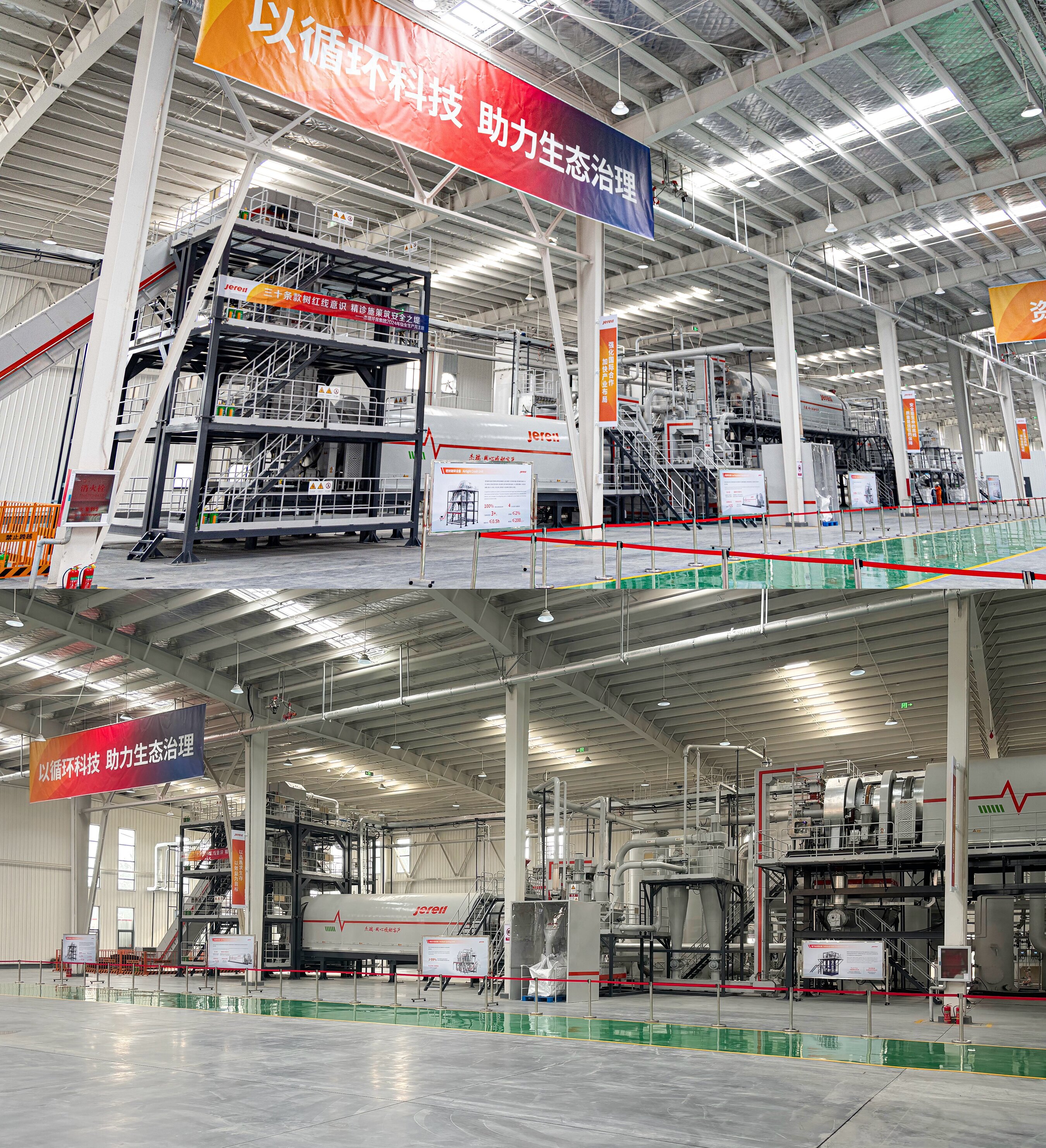
Jereh describes efforts to address the challenge of managing batteries at the end of their life cycle as electric vehicles and energy storage systems expand globally. In its update from Yantai, China, the company links the need for large-scale battery recovery and reuse to tightening regulatory requirements, including the EU Battery Regulation and similar rules in other markets. The company frames its approach as a “circular ecosystem,” aiming to turn end-of-life batteries into value through processes that support battery recycling and related material recovery.
The publication highlights the broader industry context: millions of batteries will reach end of life as deployments grow, creating logistical, environmental, and compliance pressures for manufacturers and operators. Jereh positions its model as a system designed to handle batteries across their lifecycle, with an emphasis on building infrastructure and operational pathways that enable responsible collection, processing, and reuse or recycling. The sources do not provide detailed figures, named partners, or specific technical specifications in the excerpts provided, focusing instead on the regulatory driver and the company’s overall circularity concept.