


The United States and Iran sign an interim peace agreement that ends the war, reopens the Strait of Hormuz, and lifts sanctions related to Tehran’s oil exports. As shipping restarts, tankers resume passage through the narrow waterway, which analysts and outlets describe as a critical route for global energy trade. Oil and gas prices fall in response to expectations of increased supply, with several reports citing that refiners and markets were previously positioned for shortages and are now adjusting to potential oversupply or a faster normalization of flows. Reports quantify early export movement: tankers depart Iranian ports carrying tens of millions of barrels, including 20 million barrels leaving Iran shortly after the breakthrough, while other analysts project a larger release over time, ranging from more than 85 million barrels stranded in the Gulf to higher eventual volumes over the coming years. Multiple outlets also note that while the Strait is reopened, market stabilization may take months because restarting shipping and restoring related infrastructure takes time. Some reports add that uncertainty around the long-term durability of the deal persists, citing regional clashes and the delay of permanent negotiations.
U.S.-Iran peace deal reopens Strait of Hormuz as oil supply resumes and prices fall
The United States and Iran sign an interim peace agreement that ends the war, reopens the Strait of Hormuz, and lifts sanctions related to Tehran’s oil exports. As shipping restarts, tankers resume pa...
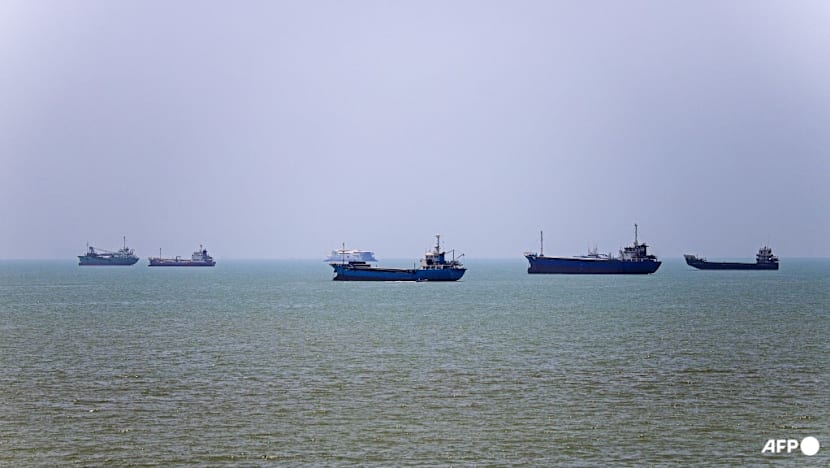
- The U.S.-Iran interim agreement ends the war, reopens the Strait of Hormuz, and lifts sanctions affecting Iranian oil.
- Tankers resume passage through the Strait, and Iranian oil exports increase soon after the announcement.
- Oil prices fall as markets anticipate higher global supply and reduced disruption risk.
- Analysts expect supply flows to take months to fully normalize, even with Hormuz open.
- Some uncertainty remains about the deal’s long-term stability due to ongoing regional developments.
Iran's oil exports have surged following a peace deal with Washington, with 11 tankers carrying 20 million barrels departing the Gulf of Oman. This increase coincides with new maritime regulations for the Strait of Hormuz. However, the delay of permanent peace talks due to regional clashes casts a shadow on the long-term outlook, with lighter traffic observed on Friday.
2 months agoEven with the Strait of Hormuz open, it will take months for oil flows and prices to return to pre-war levels.
2 months agoAnalysts expect the interim deal between Iran and the US to release more than 85 million barrels of oil stranded in the Middle East Gulf into global markets.
2 months agoOil prices dipped Friday as tankers resumed passage through the Strait of Hormuz following a U.S.-Iran peace deal. The agreement is expected to release millions of barrels of oil and lift sanctions, increasing global supply. While some producers are ready to resume exports, ongoing conflict in Lebanon casts doubt on the deal's long-term stability.
2 months agoUS gas prices fell below $4 a gallon on average on the heels of the signing of the interim US-Iran deal that raises hope of opening of Strait of Hormuz and resumption in Iran oil supply.
2 months agoWith an initial agreement signed by both sides, oil could soon flow again through the Strait of Hormuz. But prospects for a long-term deal remained murky as talks on tougher issues loomed.
2 months ago
Cars vandalised in Brittany as French seaside resorts target Paris visitors
Cars registered in Paris are vandalised in a Brittany seaside town, according to reports from multiple outlets. The inci...

Americans among hundreds missing after Nepal flash floods tied to glacial collapse
Flash flooding and mudslides hit parts of Nepal near the border with China, sweeping through a valley and leaving hundre...

Grace Richardson wins Miss World talent round with musical performance in Vietnam
Grace Richardson, 23, representing England, wins the Miss World talent round with a musical performance during the pagea...