
Multiple outlets compare how a large, dividend-focused retirement portfolio would translate into take-home income after taxes for residents in different U.S. states. The pieces focus on a $2 million dividend portfolio and present scenarios for retirees living in California and New York. They account for the tax treatment of dividend income and other relevant factors that vary by state, such as residents’ state income tax rules and how dividend payments are taxed at the federal level. The articles’ central goal is to show that gross dividend yields do not equal net retirement cash flow, because taxes reduce the amount retirees ultimately receive. Each article lays out an after-tax estimate tailored to the state tax environment, comparing the expected payout to what retirees might assume from headline dividend yields alone. While the exact numbers depend on the assumed dividend income and tax calculation method described in each article, the overall takeaway is consistent: state tax differences can change the net amount of dividend income available to retirees.
Analysts compare after-tax dividend income for large portfolios in California and New York
Multiple outlets compare how a large, dividend-focused retirement portfolio would translate into take-home income after taxes for residents in different U.S. states. The pieces focus on a $2 million d...
1 sources
17 hours ago
1 views

Key Points
- The articles analyze the net (after-tax) payout from a $2 million dividend portfolio for retirees.
- They compare scenarios for retirees living in California and New York.
- Dividend income is taxed federally and then adjusted for each state’s income tax treatment.
- Net income to retirees is lower than the portfolio’s gross dividend yield because of taxes.
- The stated results depend on the articles’ assumed dividend and tax calculation assumptions.
How Outlets Covered This Story
YAH
Yahoo Finance
What a $2 Million Dividend Portfolio Actually Pays a California Retiree After Taxes
18 hours ago
YAH
Yahoo Finance
What a $2 Million Dividend Portfolio Actually Pays a New York Retiree After Taxes
1 day ago
Related Stories
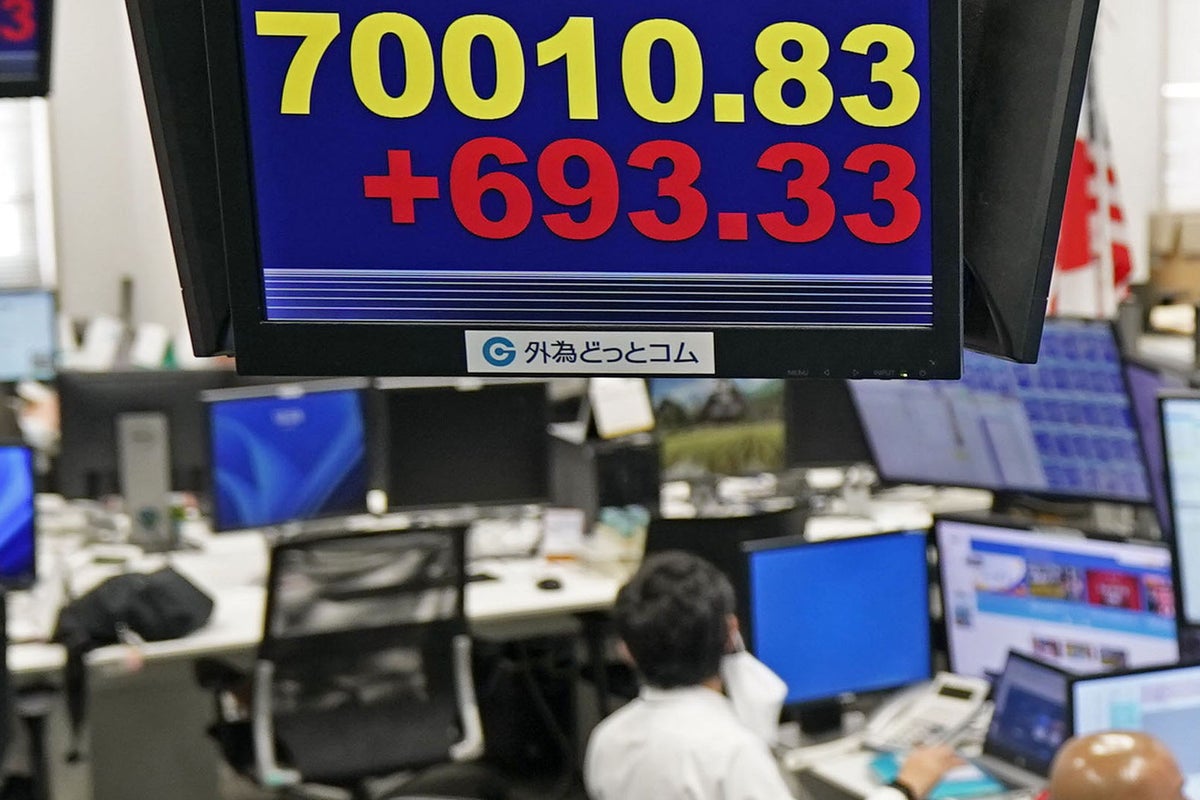
Asian markets mostly rise as Japan’s Nikkei briefly tops 70,000 after BOJ rate hike
Asian stock markets trade mostly higher as investors react to a Bank of Japan (BOJ) interest-rate decision. Japan’s benc...
2 sources
1 minute ago

Analysts downgrade Roku stock ratings ahead of Fox acquisition
Multiple analysts downgrade their ratings on Roku following the company’s planned acquisition involving Fox. According t...
1 sources
10 hours ago

Adaptive Biotechnologies and Abeona Therapeutics file Form 144 notices
On 15 June, Adaptive Biotechnologies Corporation and Abeona Therapeutics Inc. file Form 144 notices. Form 144 is a filin...
1 sources
2 hours ago