


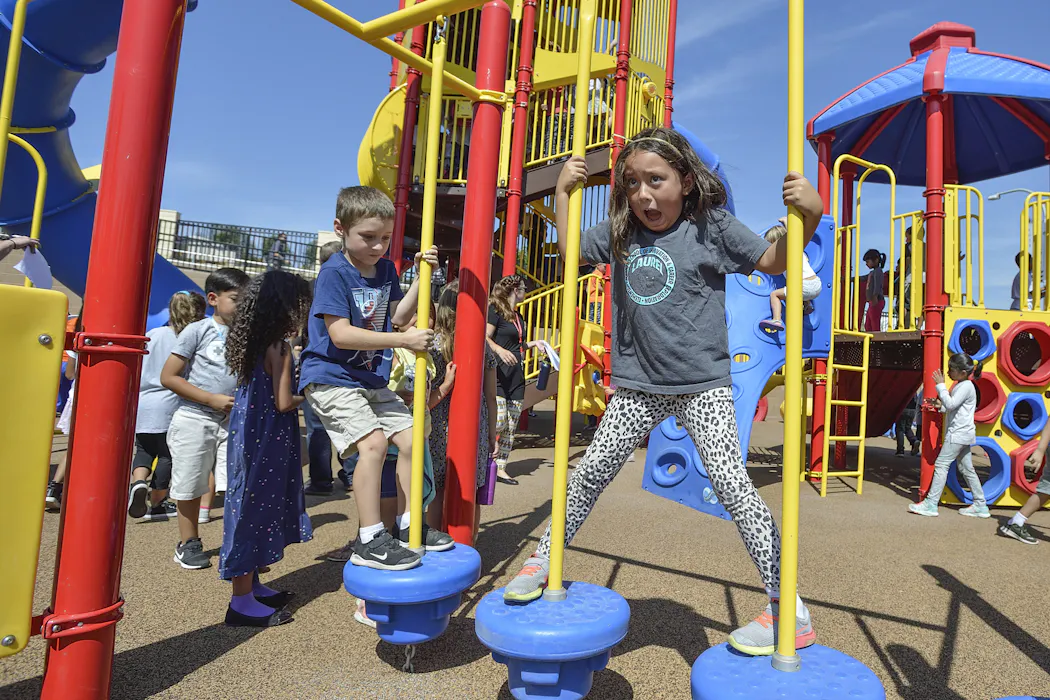
Two pieces discuss limits of AI-based education systems that aim to tailor instruction to individual students. The first describes learning as a trial-and-error process shaped by real-world interactions, where children test ideas, fail, negotiate with peers, and try again—such as during play activities that involve physical risk, social negotiation, and repeated attempts. The author argues that AI efficiency promises do not easily translate into this kind of learning, because the process includes unpredictability and unstructured problem solving.
The second article focuses on AI schooling models that adapt lessons to a student’s abilities. It notes that while personalization can help deliver content at appropriate levels, current approaches still struggle to support broader developmental learning, including helping young people understand who they are. Together, the sources frame the issue as more than delivering the right information: they highlight challenges in reproducing the social, emotional, and identity-forming aspects of learning that arise through messy, interactive experiences.
Both pieces emphasize constraints rather than specific technical failures, arguing that AI systems alone may not replicate key elements of childhood learning.


