
Several outlets discuss the psychology behind “choking” in high-stakes sport, focusing on how athletes respond to pressure and expectations. Choking is generally described as a drop in performance that is worse than what would be expected based on an athlete’s underlying ability. The research framing emphasizes that the key factor is not pressure itself but the athlete’s perception of importance—how critical the outcome feels in that moment. When perceived importance rises, athletes may shift attention toward thoughts about the consequences of failure, which can disrupt performance routines and decision-making. Conversely, some athletes appear able to maintain effective focus and execution despite the same high-stakes conditions, allowing them to perform closer to expectations. The distinction is commonly explained in terms of how pressure changes mental processes: athletes who “thrive” may regulate attention and remain goal-directed, while those who “choke” may become more self-conscious or worry-driven. Overall, the accounts highlight that choking reflects a measurable mismatch between expected and actual performance under high perceived stakes.
Why some athletes perform under pressure while others choke, research explains
Several outlets discuss the psychology behind “choking” in high-stakes sport, focusing on how athletes respond to pressure and expectations. Choking is generally described as a drop in performance tha...
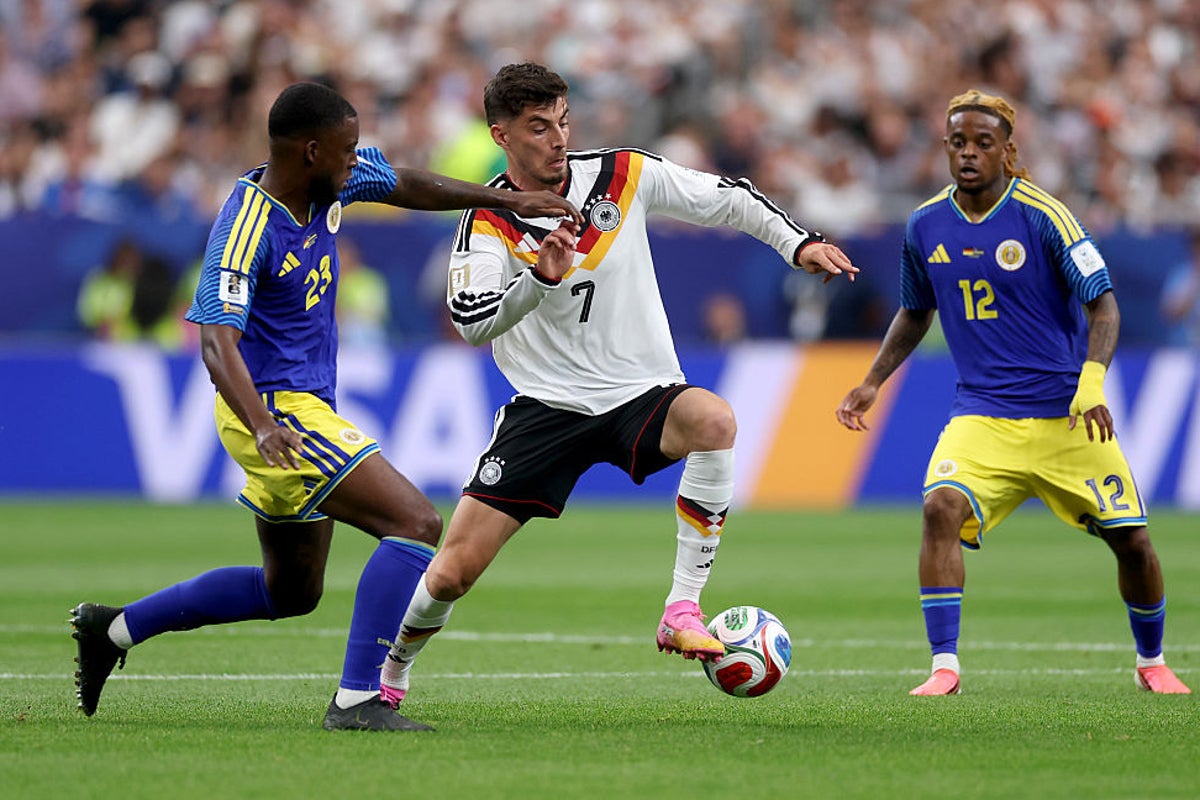
- Choking is described as performing worse than expected based on an athlete’s ability.
- Choking occurs in situations with high perceived importance.
- The core issue is linked to how athletes perceive and process the stakes of the moment.
- Some athletes “thrive” by maintaining effective psychological focus and execution under pressure.
- The contrast is presented as a difference in mental responses to high-pressure situations.
Choking is defined as performing worse than expected given ability in a situation with a high degree of perceived importance
15 hours ago
Mashable publishes daily hints and answers for the Hurdle puzzle
Mashable posts daily “Hurdle hints and answers” articles covering multiple dates in June 2026, including June 10, 12, 13...

Market reaction to political developments continues amid shifting policy expectations
The provided sources are all titled “Politics And The Markets” from Seeking Alpha, dated June 12–16, 2026, but no articl...
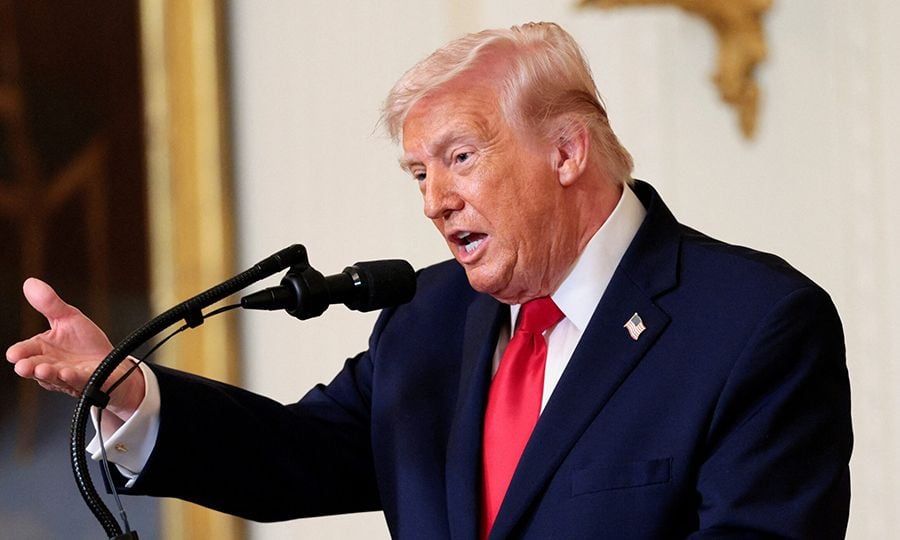
Οι ΗΠΑ και το Ιράν προχωρούν σε μνημόνιο για κατάπαυση πολέμου, με διαφωνίες στο πλαίσιο
Οι Ηνωμένες Πολιτείες και το Ιράν κινούνται προς μνημόνιο κατανόησης για τον τερματισμό του πολέμου στη Μέση Ανατολή, αλ...