


Several reports describe how foreign investors in Indian equities are facing higher effective costs due to tax obligations and currency movements, even when their underlying investments are not delivering gains. The coverage links investor returns to two main pressures: India’s tax treatment affecting returns on equity investments and a weaker or more volatile rupee, which can reduce the value of returns once converted back into foreign currency. As a result, the articles say foreign investors may end up paying taxes in India while still recording losses at the portfolio level, which can make capital flows more sensitive to future performance and valuations. The reports also point to the broader implications for market participation, suggesting that the combination of taxes and currency pressure can affect the attractiveness of Indian equities for overseas investors. Taken together, the outlets raise questions about how these cost factors may influence investor behavior, valuation expectations, and the sustainability of inflows to Indian equity markets, particularly during periods when returns are under strain.
Foreign investors report tax costs in India even as equity returns weaken
Several reports describe how foreign investors in Indian equities are facing higher effective costs due to tax obligations and currency movements, even when their underlying investments are not delive...
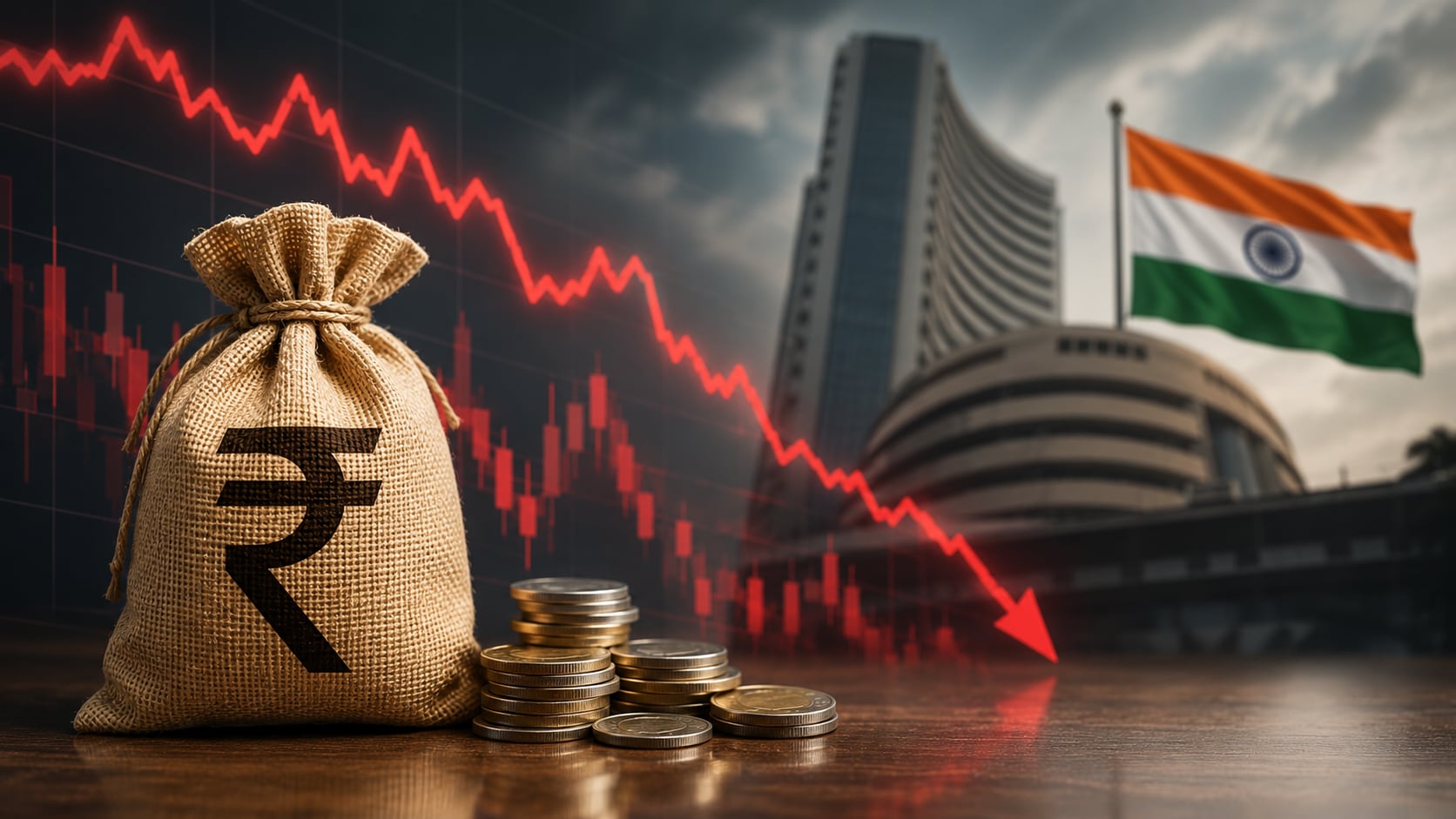
- Foreign investors in Indian equities face tax obligations even when their investments are not profitable.
- Tax costs and rupee weakness are cited as factors reducing foreign investor returns.
- Currency depreciation or volatility can lower the value of returns after conversion to foreign currencies.
- The reported pressures are described as potentially affecting capital flows and market participation.
- Articles connect the situation to concerns about valuations and future investor attractiveness.
India's tax burden on equities and declining rupee are squeezing foreign investor returns, raising questions about valuations and capital flows.
2 months agoIndia's tax burden on equities and declining rupee are squeezing foreign investor returns, raising questions about valuations and capital flows.
2 months ago
Reform UK urges police to reopen investigation into attack on Nigel Farage aide
Reform UK calls for police to reopen a probe into an attack on George Cottrell, an adviser associated with Nigel Farage,...

Wakefield beat York to secure Super League play-off spot
Wakefield Trinity secure their place in the Super League play-offs after beating the York Knights. The win comes as Wake...

Neha Kumar uses social media to increase visibility of NRLW
NRLW player Neha Kumar, 26, says she is helping put the women’s league on the map by sharing her sporting life and exper...