


Several Australian outlets run the same feature exploring how tourism has affected many Asian destinations. The articles focus on the broader claim that, in many places, visitor demand leads to cultural changes and commercialization. While they acknowledge that island communities often face pressure from the “tourist dollar,” the feature highlights one exception—an island portrayed as having avoided the most visible compromises associated with tourism-driven development. The pieces present the central premise that travellers and external investment can reshape local culture, infrastructure, and daily life, but they argue that not every island follows the same pattern. Overall, the coverage is framed around finding places where local culture remains comparatively intact and where tourism has not fully eroded established traditions. Across sources, the writing emphasizes the difficulty of locating islands in Asia that have not been significantly altered by tourism, and it points readers to the featured island as an example that still retains more of its original character.
Multiple outlets discuss a largely untouched Asian island amid concerns about tourism
Several Australian outlets run the same feature exploring how tourism has affected many Asian destinations. The articles focus on the broader claim that, in many places, visitor demand leads to cultur...
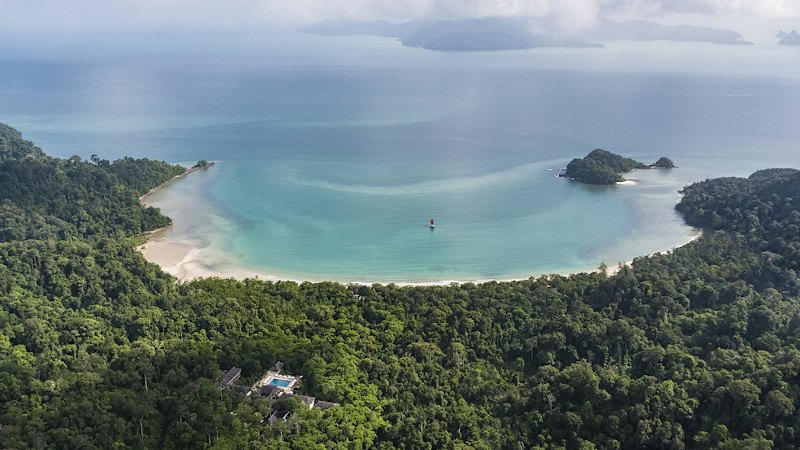
- The articles address how tourism has changed many Asian island destinations.
- They describe cultural and commercial impacts linked to visitor demand.
- The feature says one Asian island is an exception and has avoided major culture-related compromises.
- All outlets present the shared theme that unaltered islands are increasingly difficult to find.
It is not so easy to find an island where the culture hasn’t been compromised to chase the tourist dollar.
2 months agoIt is not so easy to find an island where the culture hasn’t been compromised to chase the tourist dollar.
2 months agoIt is not so easy to find an island where the culture hasn’t been compromised to chase the tourist dollar.
2 months ago
Indonesia warns against open burning as wildfire haze spreads to Malaysia and Brunei
Indonesia is intensifying efforts to fight wildfires and peat fires as smoke and haze spread across parts of Southeast A...
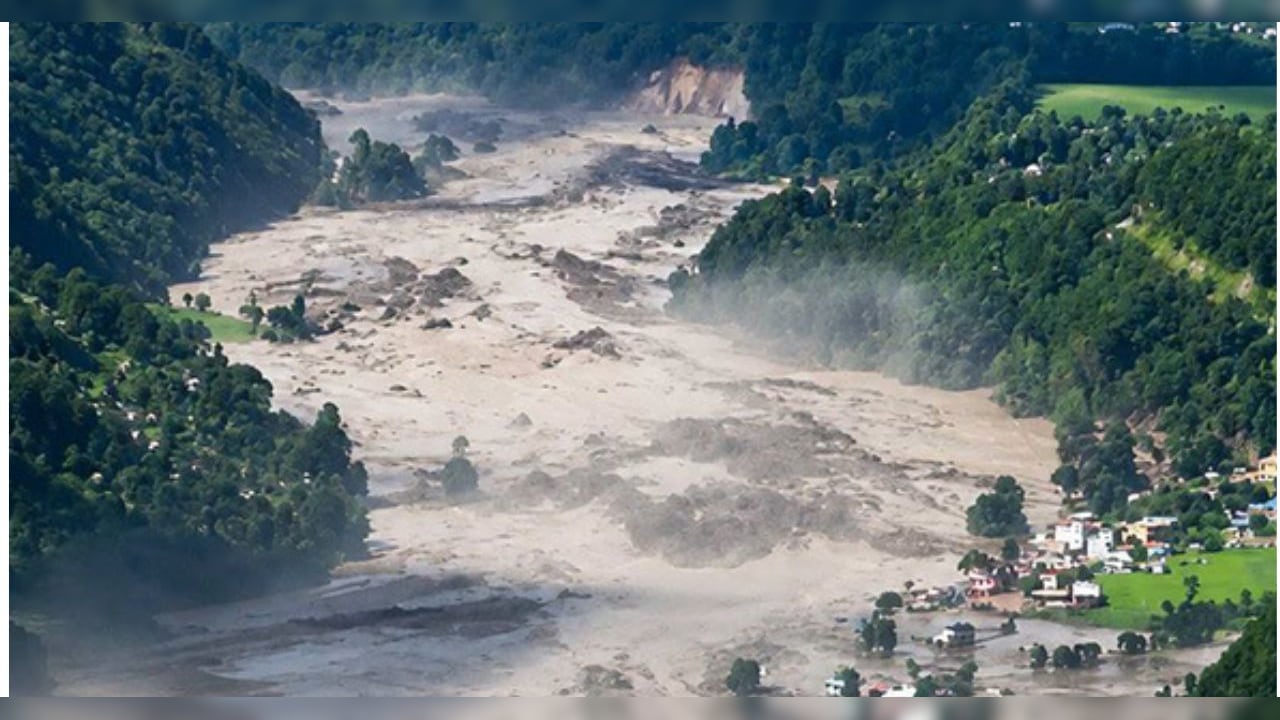
Nepal-Tibet flash floods leave hundreds dead and more than 1,400 missing, officials report
Catastrophic flash floods strike along Nepal’s border with Tibet, killing hundreds of people and leaving large numbers m...

Anne Hathaway joins Tom Cruise in Paramount’s ‘Days of Thunder’ sequel, set for 2028
Tom Cruise announces that Anne Hathaway will co-star in Paramount Pictures’ sequel to “Days of Thunder,” titled “Days of...