


Iran and the United States issue conflicting positions over whether ships will face charges to transit the Strait of Hormuz. Iran’s foreign ministry and chief negotiator say Tehran will not impose “tolls,” but instead may introduce “maritime service fees” tied to activities such as security, safety, and environmental protection. Iran has also said that during a 60-day fee-free period, provided under a memorandum of understanding with the US, related charges would not be collected from shipowners and would be covered by the Iranian government. Separately, Iran’s Persian Gulf Strait Authority says vessels must submit requests through the authority during the transition period, and fees would depend on final arrangements. The US position, as reflected by a statement by top diplomat Rubio, is that Washington will not accept tolls on shipping through the strait. Additional reporting says Israel and Lebanon are expected to discuss related issues with the US. Some coverage notes that charging a toll can be inconsistent with international law, while fees for legitimate services may be permissible, though details of what Iran would provide are not fully clear.
Iran says it will charge “maritime service fees” for Hormuz after a 60-day period
Iran and the United States issue conflicting positions over whether ships will face charges to transit the Strait of Hormuz. Iran’s foreign ministry and chief negotiator say Tehran will not impose “to...
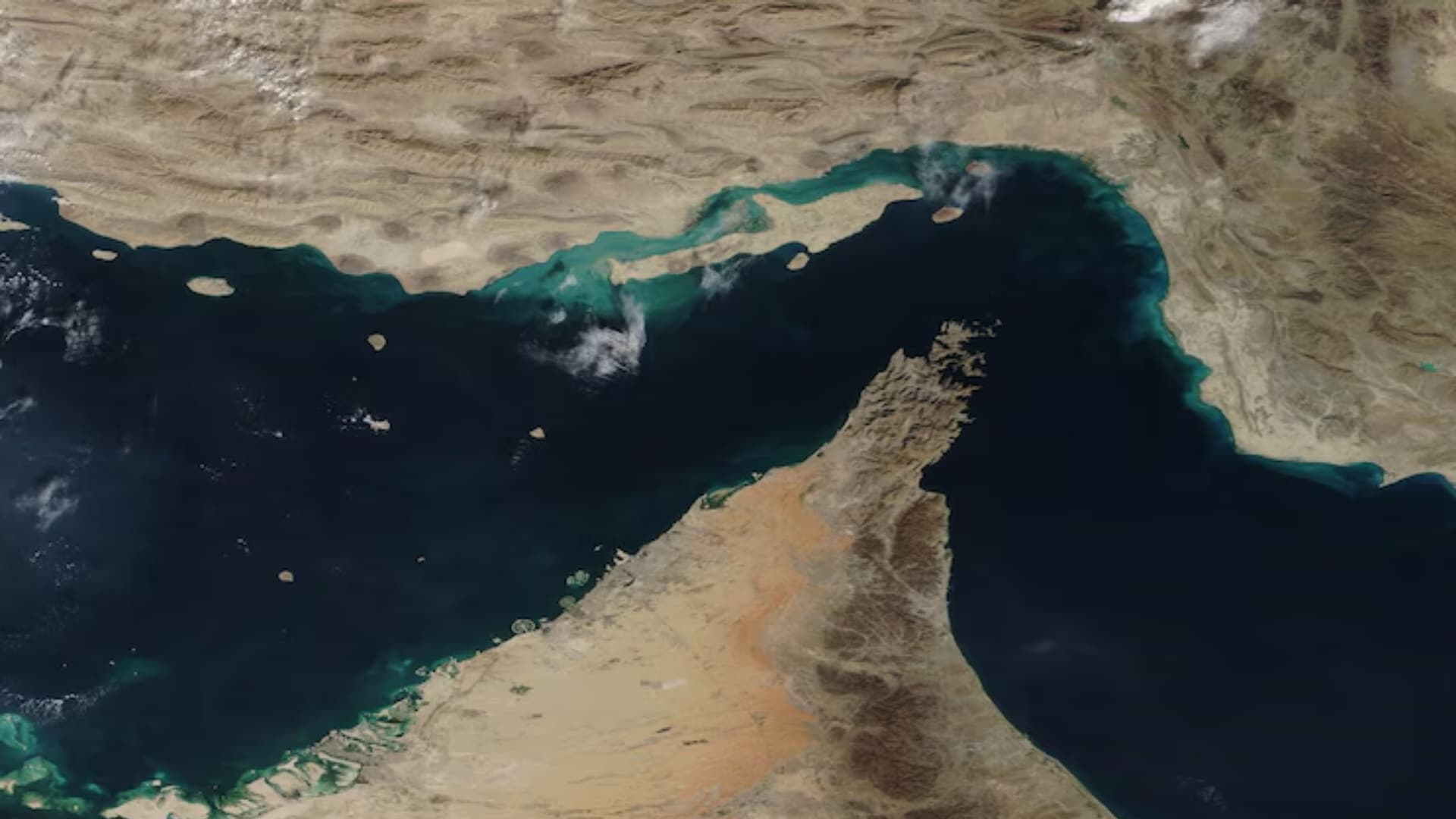
- Iran says it plans to charge “maritime service fees” rather than “tolls” for ships passing through the Strait of Hormuz.
- Iran states a 60-day fee-free period applies under a memorandum of understanding with the US.
- Iran says any charges would be linked to security, safety, and environmental services, and would be covered by the Iranian government during the initial 60 days.
- The US says it will not accept tolls on Hormuz shipping and presents its stance as conflicting with Iran’s plan.
- Iran’s Persian Gulf Strait Authority says vessels must submit requests through the authority during the transition period.
US top diplomat Rubio said Washington will not accept tolls on shipping in the Strait of Hormuz. But Iran has said they want to charge "maritime service fees." And Israel and Lebanon are set for talks in the US.
2 months agoTehran has repeatedly said it plans to charge what it calls maritime service fees for crossing the strait, a plan fiercely opposed by the US.
2 months agoThe Persian Gulf Strait Authority says that during the 60-day period to reach final Iran deal, charges related to security, safety and environmental services will not be collected from shipowners and instead be covered by the Iranian government.
2 months agoIran's chief negotiator on Wednesday repeated Tehran would charge ships crossing the Strait of Hormuz after a 60-day fee-free period stipulated in a memorandum of understanding with the US.
2 months agoIran's chief negotiator on Wednesday repeated Tehran would charge ships crossing the Strait of Hormuz after a 60-day fee-free period stipulated in a memorandum of understanding with the US.
2 months agoIran's foreign ministry spokesman, Esmaeil Baghaei, said that Tehran may introduce fees for ships passing through the Strait of Hormuz, with the charges tied to security, environmental protection and other maritime services.
2 months ago
Met Office warns of heavy rain and thunderstorms across multiple UK counties
The Met Office issues weather warnings for several parts of the UK, with forecasts across multiple days pointing to heav...
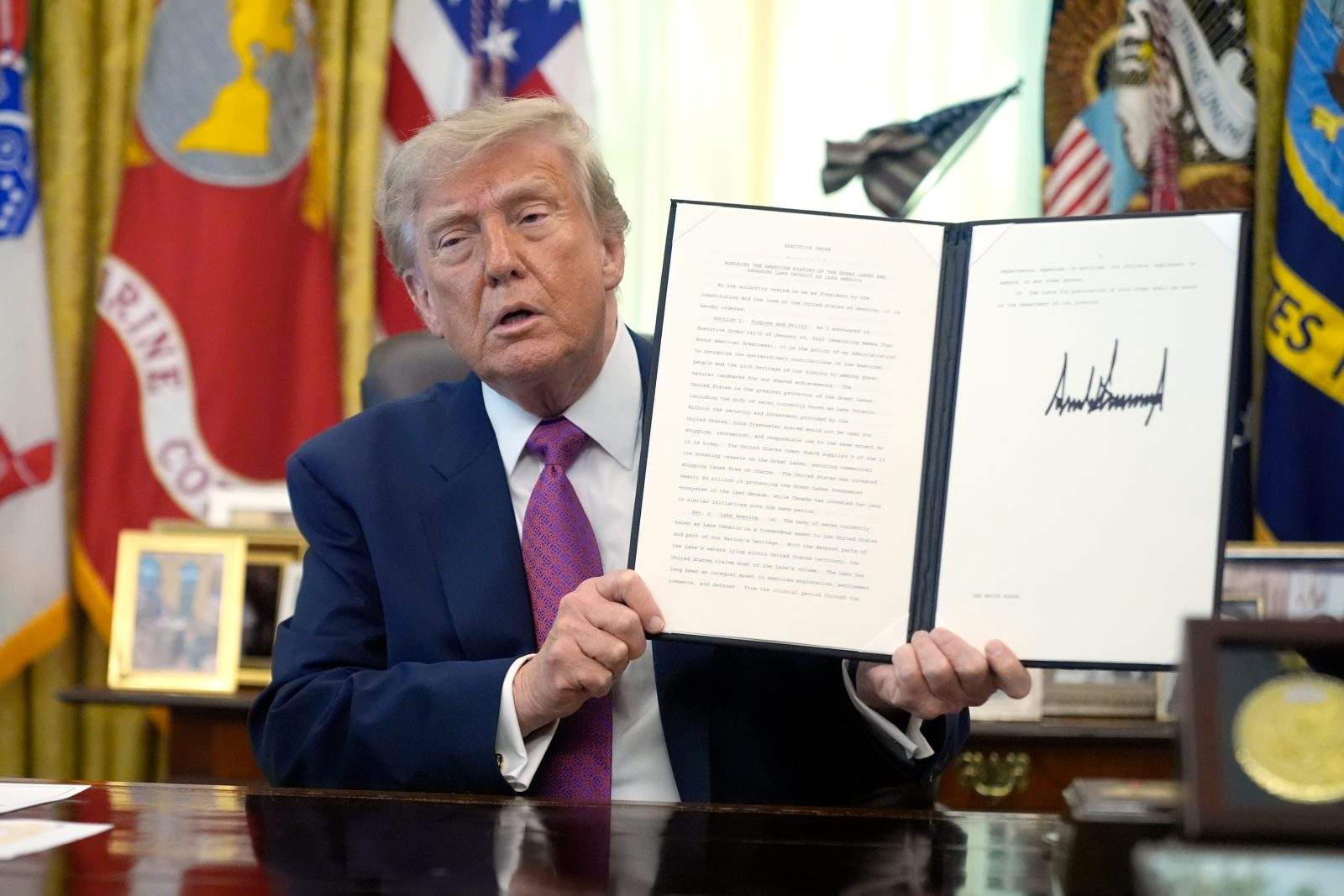
Indigenous leaders condemn Trump executive order renaming Lake Ontario to Lake America
U.S. President Donald Trump signs an executive order to change the name of Lake Ontario to “Lake America,” prompting con...

Tennessee officials consider renaming Nashville International Airport for Dolly Parton
Nashville International Airport is the subject of a proposed name change to honor country music star Dolly Parton, follo...