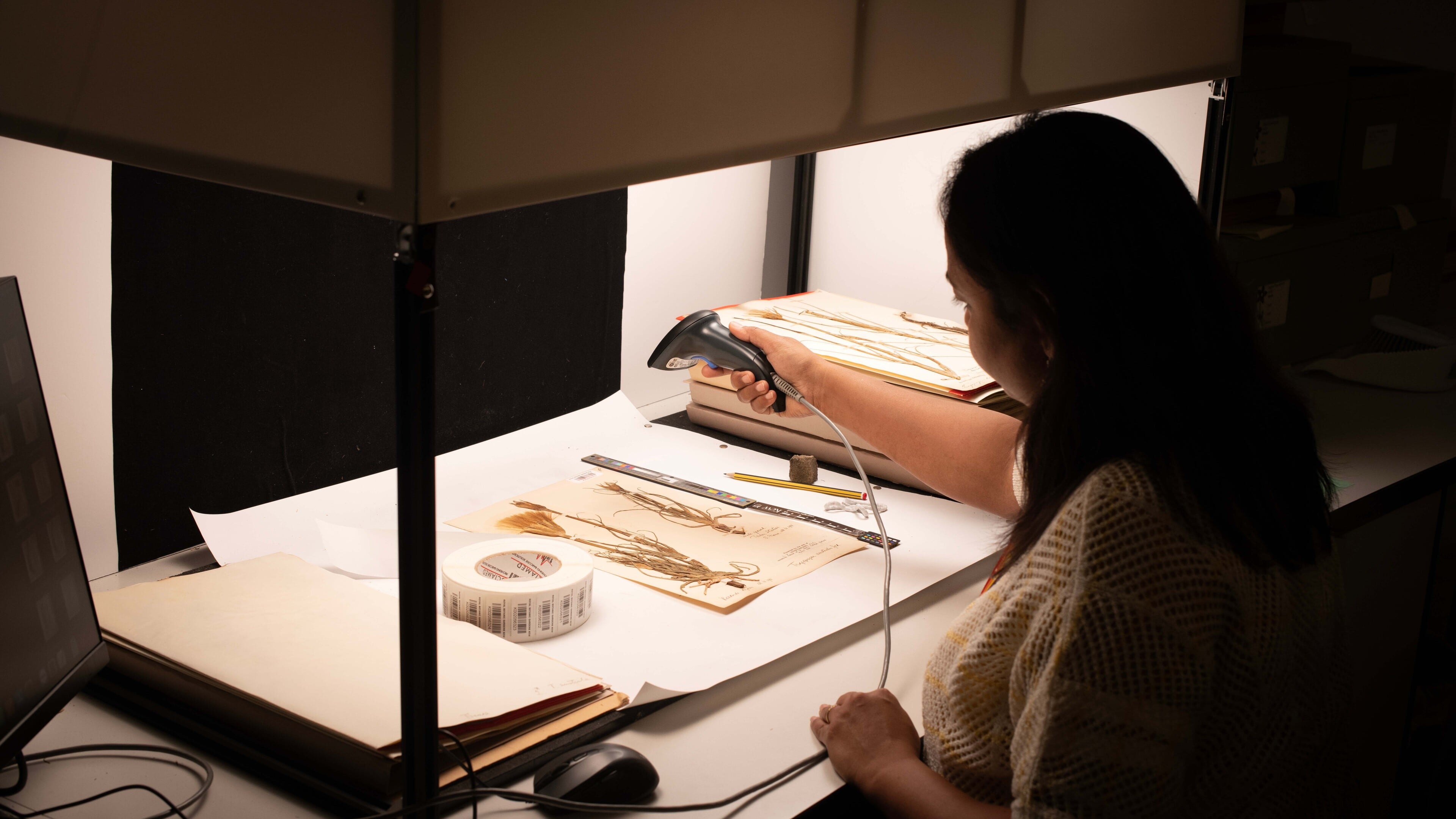
A report says artificial intelligence and digital technology are being used to improve conservation planning by mapping how climate change may affect plant species and their risk of extinction. Researchers convert pressed plant specimens and associated fungi collected over the past two centuries into digital records. These data are then analysed to chart climate-related impacts and estimate extinction risk for plants, with the goal of making conservation efforts more targeted and evidence-based.
The sources describe the approach as a way to unlock information stored in long-preserved biological collections. By digitising specimens that were gathered across time and locations, the project aims to create a usable dataset that can support modern ecological analysis. The report frames the method as a bridge between historical collection material and present-day climate and biodiversity challenges.
While the reporting emphasises the potential benefits for conservation, it does not attribute specific results, timelines, or named outcomes to the analysis itself. The key focus across outlets is the use of AI-driven digitalisation to strengthen understanding of how climate pressures may threaten plant biodiversity and related ecosystems.