


The International Federation of Red Cross and Red Crescent Societies warns that the Ebola outbreak in the Democratic Republic of Congo has not yet peaked and could take about a year to contain. The warnings are based on the current pace of transmission and the uncertainty around how widely the virus is spreading. The Red Cross says it is “very difficult” to determine the full extent of the outbreak and that response efforts are facing significant obstacles. Multiple reports cite concerns about gaps in testing and surveillance, including “blind spots” where transmission chains may not be detected. They also point to weaknesses in contact tracing and broader operational challenges. The outbreak affects three northeastern provinces—Ituri, North Kivu and South Kivu—regions that experience conflict and mass displacement, complicating access to communities and health services. Reports also mention lack of clean water and shortages of basic protective equipment for health workers, along with mistrust in some areas. The Red Cross and other aid organizations describe risks to response teams, including verbal abuse, threats, and attacks. The outbreak is attributed to the rare Bundibugyo strain, and sources note that there are no approved vaccines or treatments for it.
Red Cross warns Ebola outbreak in DR Congo has not peaked, may last a year
The International Federation of Red Cross and Red Crescent Societies warns that the Ebola outbreak in the Democratic Republic of Congo has not yet peaked and could take about a year to contain. The wa...

- The Red Cross says the Ebola outbreak in the DR Congo has not yet peaked.
- The Red Cross warns the outbreak could take about a year to fully contain.
- Sources say it is difficult to assess the outbreak’s true spread, with remaining “blind spots” in detection and testing.
- The affected areas—Ituri, North Kivu and South Kivu—face conflict and mass displacement that hinder the response.
- Reports cite response gaps and operational challenges, including contact tracing and surveillance weaknesses, plus shortages of protective equipment and limited access to clean water.
The deadly Ebola outbreak in the DR Congo has yet to peak as the Red Cross warned of dangerous gaps in tackling the virus this week.
2 months agoGENEVA — The deadly Ebola outbreak in the DR Congo has yet to peak and could take a year to contain, the Red Cross said Tuesday, amid mounting warnings of dangerous gaps in tackling the virus. G7 leaders meeting in Evian, France, called on Tuesday for a “strong and coordinated response” to contain the outbreak, which has killed nearly 200 people in the Democratic Republic of Congo and Uganda. While efforts to rein in the outbreak are scaling up, the International Federation of Red Cross and Red Crescent Societies on Tuesday joined a growing chorus of warnings over the swelling […]...Keep on reading: DR Congo Ebola outbreak yet to peak, could last a year – Red Cross
2 months agoThe three affected provinces in the northeast have long been gripped by conflict and mass displacement, complicating the response to the outbreak.
2 months agoOver 800 cases of the rare Bundibugyo strain, for which there is no proven treatment or vaccine, have been reported in Congo, 192 of them fatal. The disease, transmitted through body fluids even after death, is spreading fast across three provinces, government data shows.
2 months agoGENEVA, Switzerland (AFP) — The deadly Ebola outbreak in the DR Congo has yet to peak and could take a year to contain, the Red Cross warned Tuesday, amid mounting warnings of dangerous gaps in the response. Since the outbreak was declared on May 15, 808 cases have been confirmed in the Democratic Republic of Congo, including 192 deaths, according to the latest World Health Organization (WHO) figures. While efforts to rein in the outbreak are scaling up, the International Federation of Red Cross and Red Crescent Societies on Tuesday joined a growing chorus of warnings over the swelling scale of the crisis. "The peak is, I think, not beyond us, but in front of us," Bruno Michon, the IFRC's operations manager for the outbreak, told reporters in Geneva. "We are afraid that this could last one year" before the epidemic is over, he said, speaking from Bunia, capital of the DRC's northeastern Ituri province, which is the outbreak's epicentre. The response to the epidemic, the 17th to hit the vast central African country, has faced towering challenges. No approved vaccines or treatments exist for the Bundibugyo strain of the virus responsible for the current outbreak. The three affected provinces in the northeastern DRC -- Ituri, North Kivu and South Kivu -- have long been gripped by conflict and mass displacement, complicating the response. And the region has seen conflict casualty figures climb higher since the start of the outbreak, according to the International Committee of the Red Cross, placing further pressure on an already fragile health system. "A sudden geographic expansion of the epidemic is feared if public health measures are not implemented quickly," the Congolese National Institute of Public Health warned in its daily situation report. The outbreak has already spread to neighbouring Uganda, which to date counts 19 confirmed cases, including two deaths. In the DRC, Doctors Without Borders (MSF) and Oxfam warned this week that the full extent of Ebola, which is spread by close contact and infected bodily fluids, remained unclear. "No-one knows the true scale or exactly where the disease is spreading," Kate White, MSF's emergency medical coordinator in the DRC, said on Monday, warning that "testing remains one of the most significant weaknesses". Michon agreed. "It's very difficult to know exactly to what extent the epidemic is spreading," he said. Oxfam meanwhile, attributed insufficient contact tracing to "the withdrawal of US funding for disease surveillance and severe funding shortfalls". The aid organisation also pointed to a dire lack of clean water in the Ebola-stricken areas, as well as a dearth of basic protective equipment for health workers. While testing capacity has been significantly ramped up in recent weeks, World Health Organization spokesman Tarik Jasarevic acknowledged Tuesday that "blind spots" remain. "There may be transmission chains that are not being detected," he told reporters in Geneva. The mistrust of the population in a region where the Congolese state has been absent in many areas for decades is another major hurdle, the Red Cross's Michon said. Like in past outbreaks, hospitals and medics in the eastern DRC have reported attacks and riots, with some criticising the Congolese government's response and others denying that Ebola even exists. "To stop this outbreak, we need to invest not only in medical response, but also in trust, local volunteers, community engagement and operational access," Michon said. He pointed out that "in recent days, DRC Red Cross volunteers have faced verbal abuse, threats and even physical attacks while carrying out their work". "Trust is central," he said. "Without trust, we cannot detect cases early. We cannot ensure safe burials. We cannot protect families. And we cannot stop transmission."
2 months agoThe Red Cross says it is 'very difficult' to know the extent at which the epidemic is spreading.
2 months ago
Mowbray Moslem Cemetery Board announces newly elected members after court-directed election
The Mowbray Moslem Cemetery Board announces 11 newly elected members. The election follows a process directed by a court...

Witness tells inquiry Transport Accident Commission support worsened her grief after child’s death
An inquiry hears evidence from Kerryn Airs, who says she witnessed the death of an eight-year-old child and that the Tra...
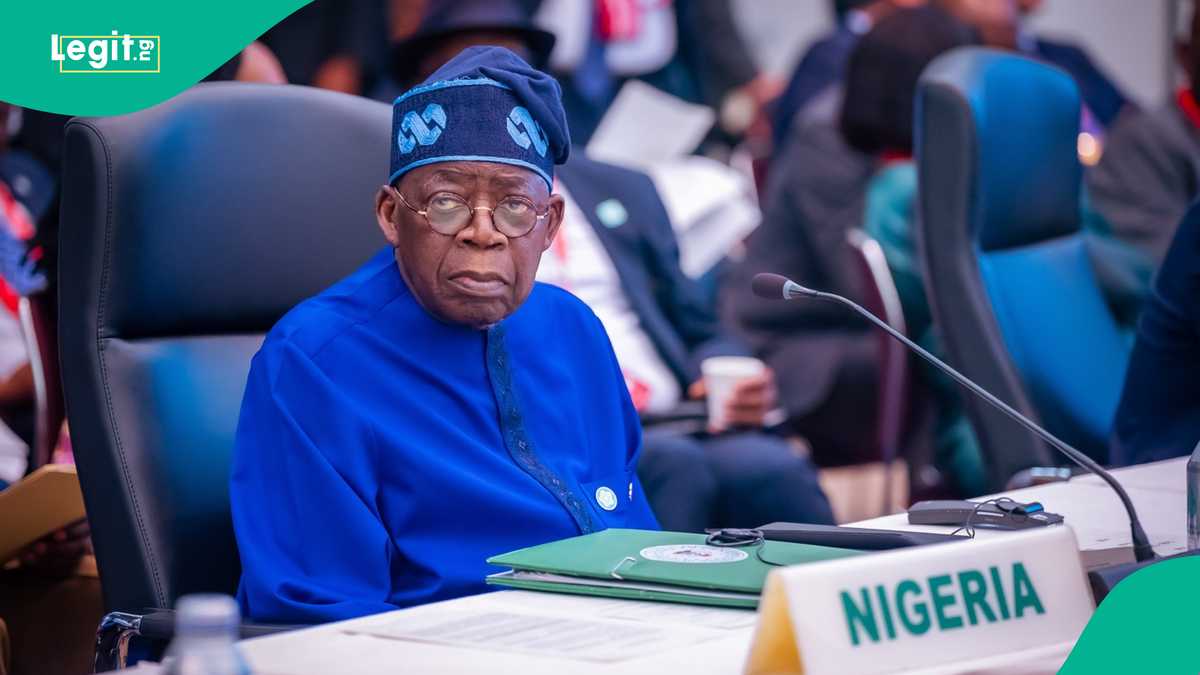
Tinubu orders 500 more CNG stations to expand to 1,000 nationwide
President Bola Tinubu orders the rollout of 500 additional compressed natural gas (CNG) refuelling stations, as part of...