


Articles explain how the terms asteroid, comet, meteor, and meteorite refer to different stages of the same basic process as space rocks enter Earth’s atmosphere. The materials begin in space as either an asteroid or a comet, then transform when they encounter Earth’s atmosphere and heat up. As they burn and produce a visible streak, observers are seeing a “meteor” (often called a shooting star). If any of the original material survives the trip through the atmosphere and lands on the ground, it becomes a “meteorite.” The guidance focuses on identification by combining what observers can see—such as whether there is a bright, short-lived streak, and whether fragments reach the surface—with scientific context about what kinds of bodies typically produce different appearances. The sources emphasize that proper classification depends on separating the object’s origin in space (asteroid or comet) from what happens during atmospheric entry (meteor) and the aftermath if material lands (meteorite).
How to distinguish asteroids, comets, meteors and meteorites in night-sky sightings
Articles explain how the terms asteroid, comet, meteor, and meteorite refer to different stages of the same basic process as space rocks enter Earth’s atmosphere. The materials begin in space as eithe...
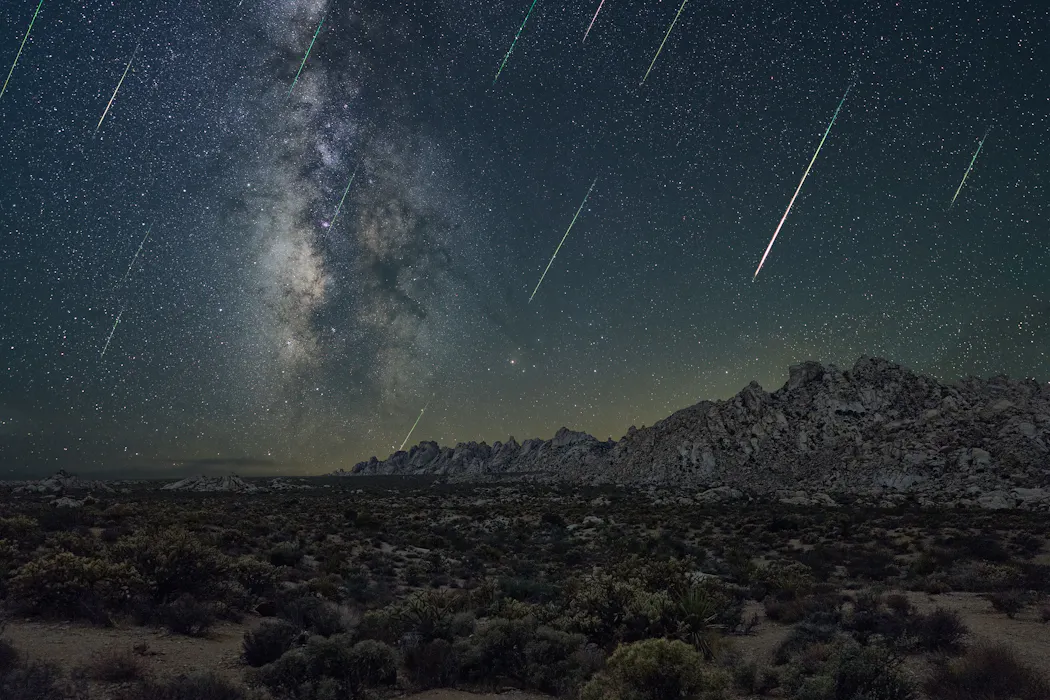
- An asteroid or comet is a space object before it enters Earth’s atmosphere.
- A meteor is the visible streak caused by a space rock heating up and burning in the atmosphere.
- A meteorite is material that survives atmospheric entry and lands on Earth.
- Identification involves distinguishing what is visible in the sky (meteor) from what happens if material reaches the ground (meteorite).
- The naming reflects different stages of the same event rather than separate phenomena.
Have you ever been out at night and seen a streak of light blast across the sky and disappear? Ever wonder where that shooting star came from, or how it got to be in your sky?
2 months agoAn observatory director describes the differences between the types of rocks that fly through space.
2 months ago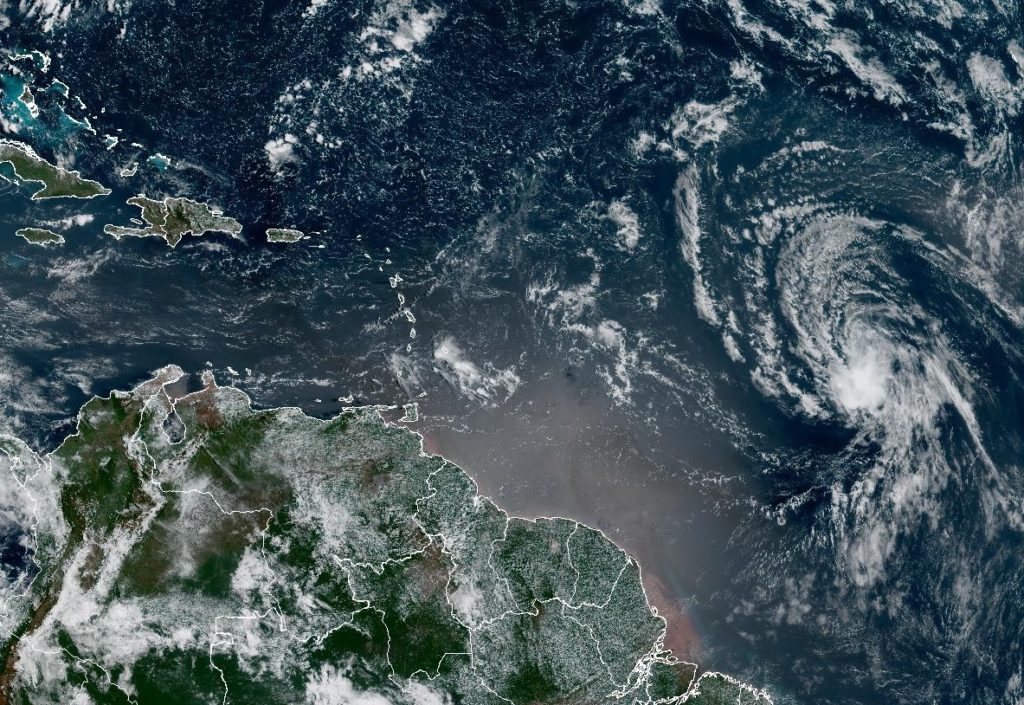
Tropical Storm Dolly forms in the Atlantic as 2026 hurricane season continues
Tropical Storm Dolly forms in the Atlantic on Thursday, becoming the fourth named tropical cyclone of the 2026 hurricane...

NASA pilots chase the Moon’s shadow to study solar eclipse corona in Iceland
NASA pilots use a high-altitude research aircraft to position scientists under the Moon’s shadow during the Aug. 12 tota...

Deputy Missouri AG found alive in Wyoming mountains after six-day disappearance
A deputy attorney general from Missouri who went missing in Wyoming mountains is found alive after six days. His brother...