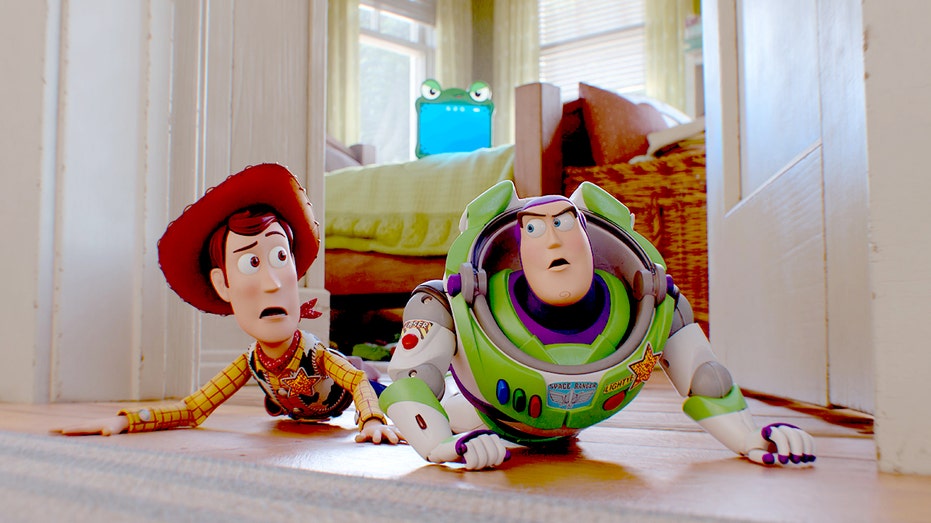
Toy Story 5 features Woody and Buzz returning as the toys face what multiple reviews describe as a modern challenge: a new electronic tablet and the pull of digital play. The story follows Bonnie, now older, as she encounters difficulties in her offline life, while her parents introduce Lilypad, a tablet that quickly changes how the toys experience being used and valued. Across the reviews, the conflict is framed as a tug-of-war between imaginative, physical play and screen-based attention, with the toys treating the tablet as a threat to their place in the child’s world.
Several sources also highlight that Jessie takes on an unusually prominent role, with new character dynamics expanding the ensemble. Critics and outlets note the film’s broad alignment with the franchise’s established tone—humor, adventure, and emotional scenes—while some comment that the movie leans into familiar territory rather than fully reinventing the franchise formula.
Off-screen, a producer explains that Toy Story 5 becomes the first film in the series to receive a PG rating in both the UK and US. The rating is attributed in reporting to elements such as mild bad language and rude humour, alongside stakes described as more “human,” including themes connected to cyberbullying.