


Astronomers using the James Webb Space Telescope and the Hubble Space Telescope report that Terzan 5 is not a globular star cluster, reversing an earlier classification. Webb and Hubble observations reveal characteristics that do not match those expected for a typical globular cluster, and instead point to Terzan 5 as a relic connected to the Milky Way’s formation history. The study leverages the strengths of both observatories to examine the object’s stellar population and properties in greater detail than was possible previously. By establishing what Terzan 5 is not, researchers gain clearer constraints on what it likely is, which in turn helps refine ideas about how galaxies like the Milky Way assemble and evolve. The results underscore the value of combining data from Webb’s infrared capabilities with Hubble’s optical observations to interpret dense and complex regions of the sky. Overall, the findings contribute to a more accurate picture of the Milky Way’s early formation and the nature of long-lived structures within it.
Webb and Hubble determine Terzan 5 is not a Milky Way globular cluster
Astronomers using the James Webb Space Telescope and the Hubble Space Telescope report that Terzan 5 is not a globular star cluster, reversing an earlier classification. Webb and Hubble observations r...
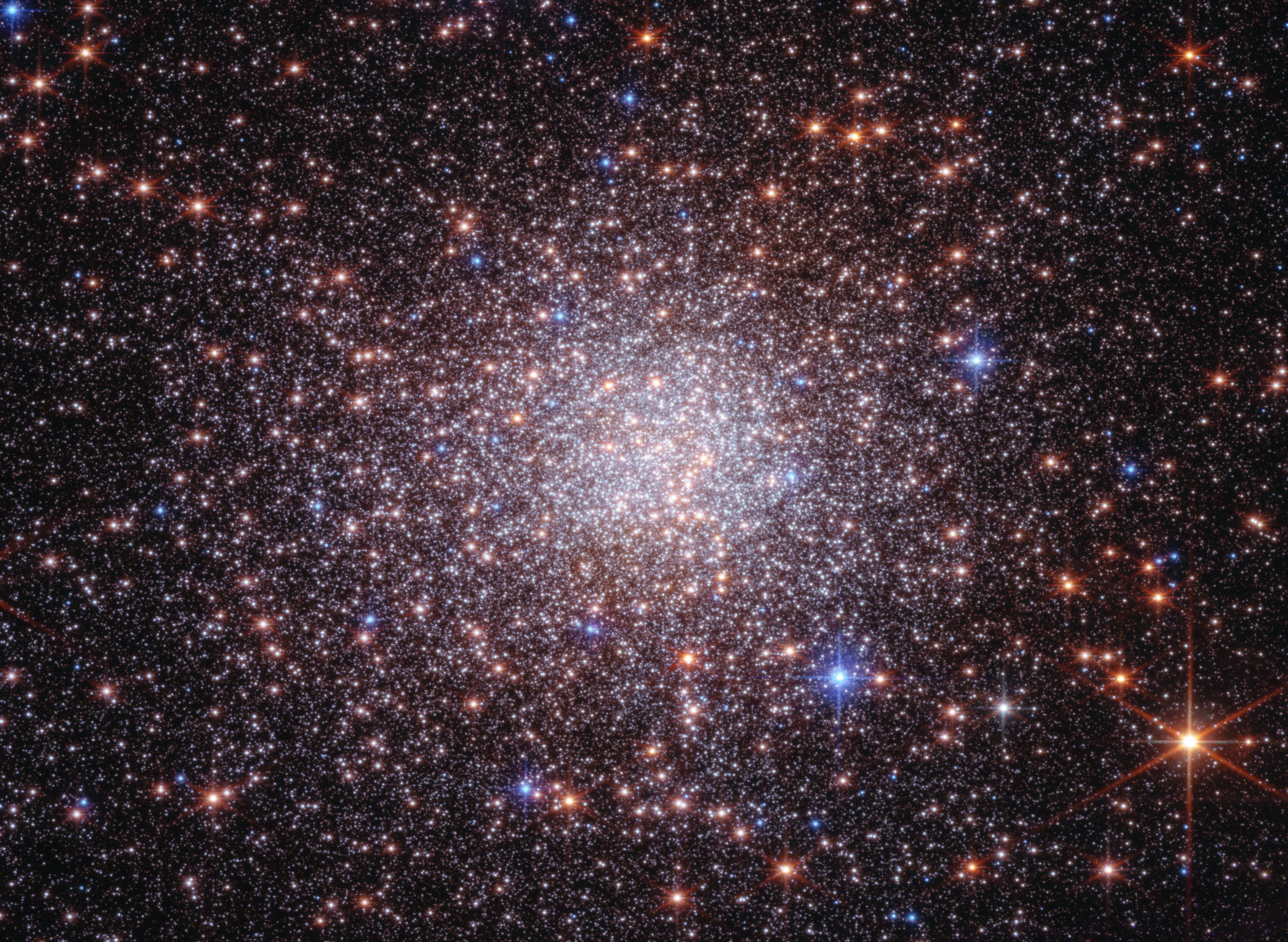
- Researchers use NASA’s James Webb and Hubble Space Telescopes to study Terzan 5.
- The study finds Terzan 5 does not fit the properties expected of a typical globular star cluster.
- Terzan 5’s earlier classification as a globular cluster is therefore revised.
- The findings provide new insight into relics related to the Milky Way’s formation and evolution.
- The combined observations help characterize Terzan 5’s stellar population and nature more accurately than earlier work.
Researchers using two of humanity's most powerful observatories—NASA's James Webb and Hubble Space Telescopes—have definitively shown that Terzan 5 is not a globular star cluster, as it was once classified, offering new insight into how galaxies like our own form and evolve over time.
2 months agoResearchers using two of humanity’s most powerful observatories — NASA’s James Webb and Hubble Space Telescopes — have definitively shown that Terzan 5 is not a globular star cluster as it was once classified, offering new insight into how galaxies like our own form and evolve over time. A globular star cluster typically has only […]
2 months ago
Bosai donates 6 MW generation capacity to Guyana Power and Light
Bosai Minerals Group Guyana Inc. donates six 1-megawatt generator sets—6 MW total generation capacity—along with power-p...

Glacier collapse near Nepal-Tibet border triggers flash floods and debris flows
A catastrophic flood disaster across Nepal and Tibet is widely attributed to a large glacier collapse near the Nepal–Chi...
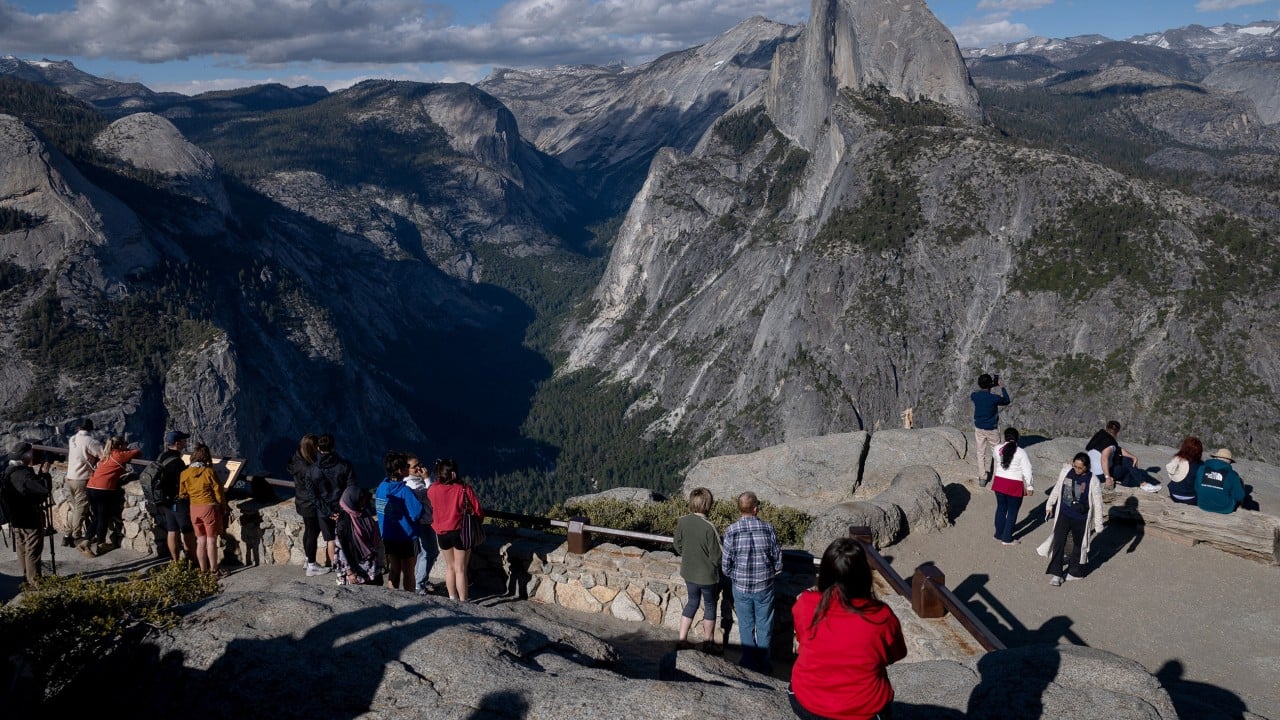
Trump administration considers land swap to give Yosemite parcel for private access road
The Trump administration is considering transferring a small parcel inside Yosemite National Park to a private developer...