
Several outlets discuss concerns about China’s economic trajectory and the possibility that policymakers and markets could be underestimating risks. The reporting centers on the idea that China’s large state-linked corporate and financial system may face mounting stress, with consequences that could ripple beyond its borders. Coverage frames the issue as whether China could experience a prolonged period of weak growth and financial strain that resembles a “zombified” economy—where firms or financial entities continue operating despite diminished profitability or ongoing dependence on support. Sources note that public debate and mainstream analysis have not always focused directly on these tail risks, even as indicators tied to leverage, capital allocation, and the broader health of corporate and financial balance sheets remain key considerations for investors and trading partners. The articles emphasize that assessing the scenario involves weighing China’s capacity for policy response against structural pressures, including debt burdens and slower productivity growth. Overall, the reporting presents the issue as an ongoing risk-management question rather than a confirmed outcome, with attention turning to how any deterioration could affect global markets, trade, and supply chains.
Uncertainty Grows Over China’s Economic Health and Its Global Impacts
Several outlets discuss concerns about China’s economic trajectory and the possibility that policymakers and markets could be underestimating risks. The reporting centers on the idea that China’s larg...
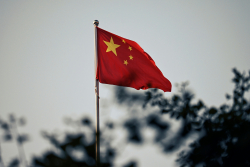
- Coverage focuses on potential downside risks to China’s economy, including the prospect of a prolonged period of weak performance.
- The question is framed as whether parts of China’s state-linked corporate or financial system could become financially dependent despite low returns.
- Sources say fewer commentators directly address these tail risks than expected.
- Analysis centers on how leverage, capital allocation, and balance-sheet health could affect growth.
- The reporting treats the scenario as an uncertainty and risk assessment, not a confirmed outcome.
A question surprisingly few people are asking.
10 hours agoA question surprisingly few people are asking.
11 hours ago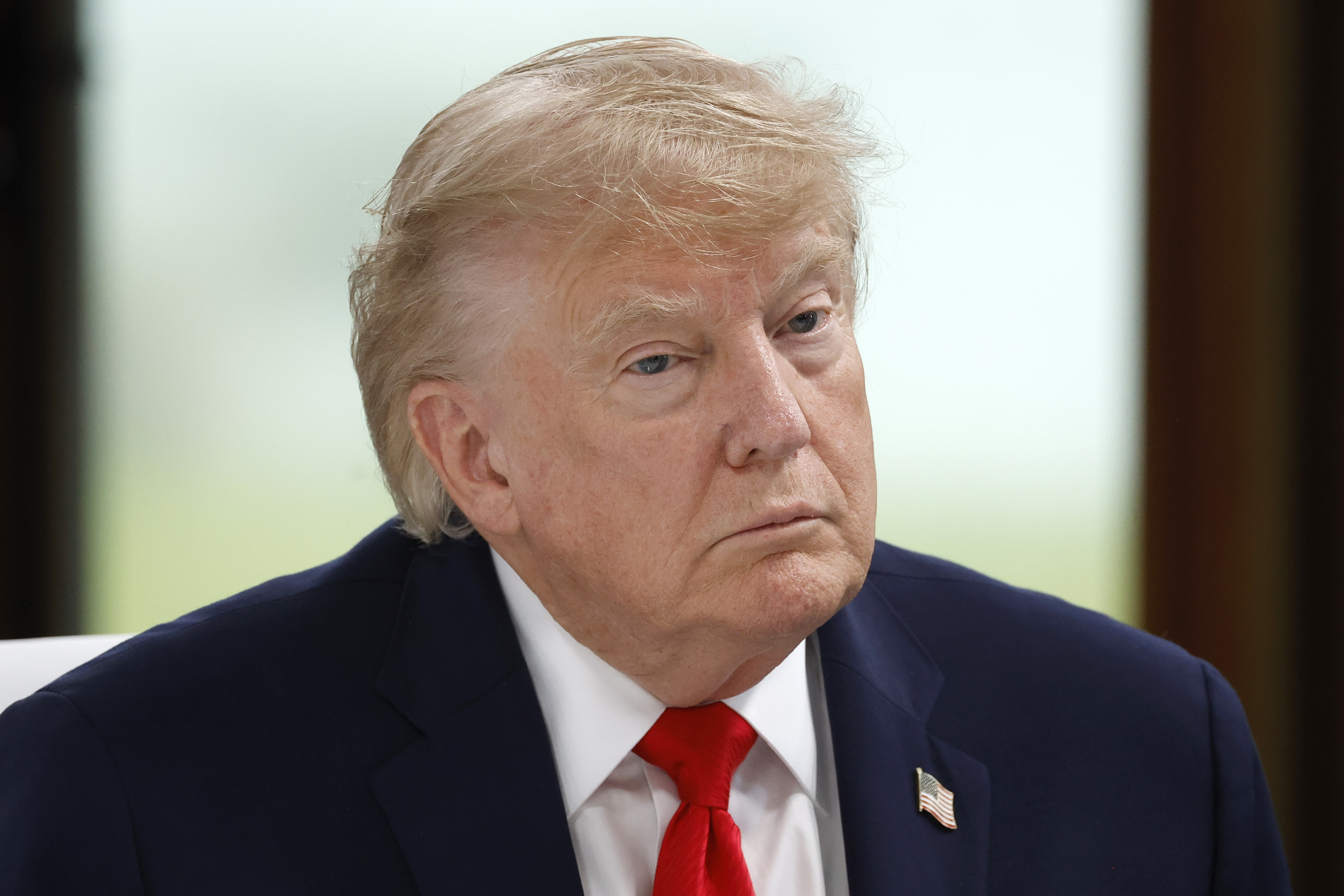
Trump criticises Israel’s Lebanon tactics, says they kill civilians
U.S. President Donald Trump issues a rare public criticism of Israel’s military tactics in Lebanon targeting Hezbollah m...
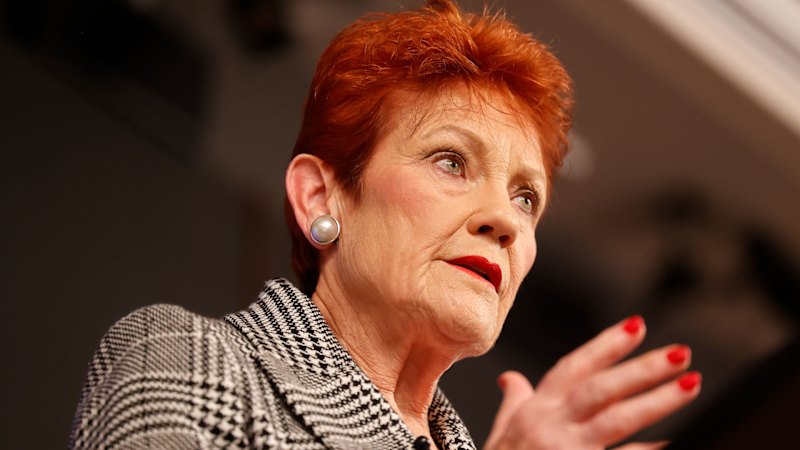
Pauline Hanson responds defensively after questions over daughter’s One Nation role
Pauline Hanson reacts sharply when questioned about whether she helped her daughter obtain a job connected to a Tasmania...

Alameda County voters choose replacement for resigned ex-Congressman Eric Swalwell
Alameda County voters hold a special election on Tuesday, about two weeks after a prior primary, to select a replacement...