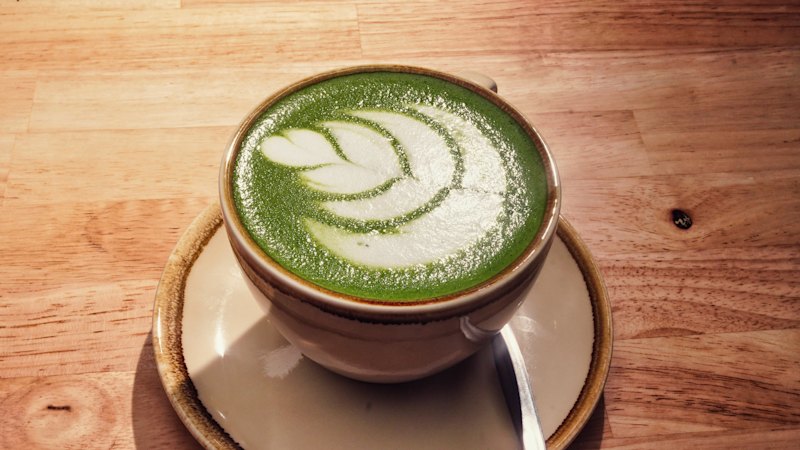
Several Australian outlets raise questions about the growing popularity of matcha lattes and whether the trend reflects cultural appreciation or cultural appropriation. The articles argue that food traditions often change as recipes are adopted and modernised, and that this adaptation can be part of how cuisines spread globally. However, they also note that the issue turns on how the culture behind the dish is represented and acknowledged.
Across the reports, the central point is that there is no single rule for when cultural sharing becomes appropriation. Factors discussed include how prominently origins are credited, whether those practices are reduced to a fashion trend without context, and whether the people connected to the tradition benefit from or are erased by the commercialization of the product. The articles frame the discussion as part of a broader conversation about respectful engagement with cultural practices in food and travel, rather than an automatic condemnation of trying or serving non-local dishes.