


As a Iran–US memorandum of understanding (MoU) aimed at ending the war moves toward expected formal signature, hardline factions within Iran are stepping up public opposition, warning they could be sidelined as Iran’s approach shifts from maximalist defiance toward compromise. Multiple reports describe a more tense domestic political atmosphere in the run-up to the signing, following the emergence of leaked or not fully public details of the draft terms. Hardliners criticize the negotiating team, characterizing the proposals as retreat and betrayal, and they call for halting negotiations with the United States. The backlash extends beyond political messaging: supporters hold street rallies and stage protests, indicating that opposition is gaining visible momentum. The reports frame the internal dispute as both a reaction to the specific content of the leaked terms and a broader fear among hardliners that the changes in negotiations will reduce their influence in Iran’s decision-making. Neither account challenges the existence of the MoU process itself, but both emphasize that uncertainty over the agreement’s terms and the timing of the signing is intensifying political friction inside Iran.
Iran hardliners protest as US memorandum nears signature
As a Iran–US memorandum of understanding (MoU) aimed at ending the war moves toward expected formal signature, hardline factions within Iran are stepping up public opposition, warning they could be si...

- An Iran–US memorandum of understanding aimed at ending the war is approaching expected formal signature.
- Hardline factions in Iran criticize the leaked or not-fully-public terms of the MoU.
- Opposition is not limited to statements; protests and rallies occur in the streets.
- Hardliners urge Iran to stop negotiations with the United States.
- Reports describe fears among hardliners that they will lose influence as Iran shifts toward compromise.
In the run-up to the expected formal signing of the Iran-US memorandum of understanding (MoU) on Friday, Iran’s political atmosphere has grown visibly more tense. Hardline factions that stayed relatively muted during much of the war are now mounting a loud campaign against the leaked terms of the agreement, which has not been fully made public, accusing the negotiating team of retreat and betrayal. The backlash is no longer confined to speeches and headlines. It has spilled into the streets, where groups of regime supporters have staged protest rallies. Hardliners are calling for negotiations with the US to be stopped over fears the deal […]...Keep on reading: Iran's hardliners fear being sidelined in US deal
2 months agoAs an Iran-US memorandum aimed at ending the war moves closer to formal signature, hardline supporters of the Islamic Republic fear losing influence as Iran's politics shift from maximalist defiance to compromise.
2 months ago
Goodell says NFL reviews whether to punish 49ers owner Jed York after Ohio arrest
San Francisco 49ers owner Jed York is facing fallout after his Aug. 23 arrest in Ohio as part of an undercover prostitut...

NFL Preseason Week 2 schedule: games, TV channels, and streaming options for August 20–23
The NFL preseason Week 2 slate runs across multiple days, including several games on Friday night and a wrap-up later in...
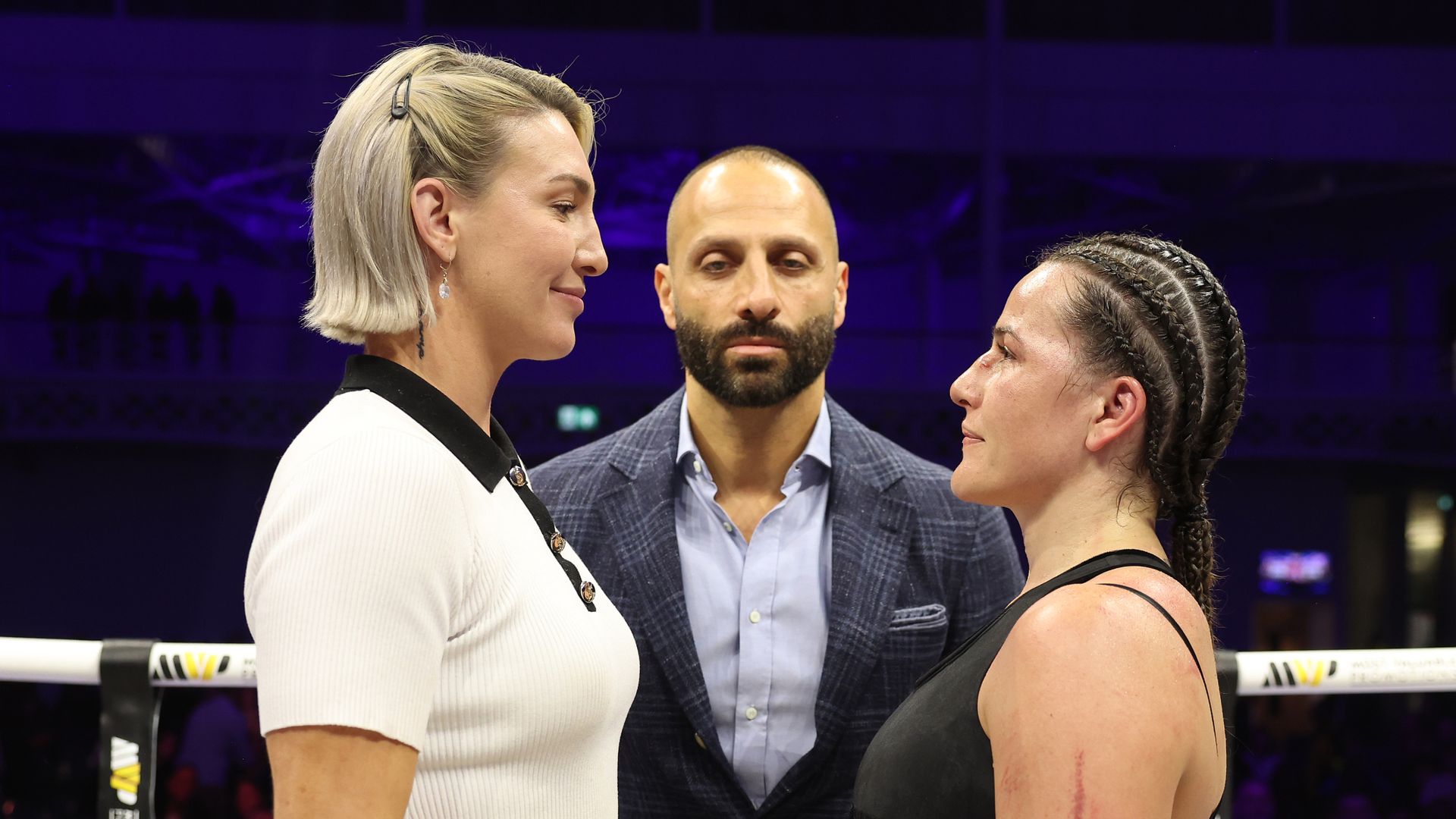
Mayer-Cameron winner could be cemented among boxing’s top five female fighters
Mikaela Mayer and Chantelle Cameron’s world title unification fight is presented as a potential career-defining moment f...