


Researchers analyzing ancient DNA report evidence of plague in human remains from Siberia. In burial sites around Lake Baikal dating to roughly 5,000–5,500 years ago, scientists examined DNA extracted from a total of 42 individuals. They report detecting plague in 18 of those samples. The findings suggest that Yersinia pestis, the bacterium that causes plague, was present in the region long before the better-documented historical outbreaks. The studies also describe how the results may help clarify earlier patterns of pathogen spread and emergence. By comparing genetic signals from ancient samples, the researchers aim to better understand how plague may have persisted and how it could reappear or diversify over time. Both reports frame the work as evidence that plague has an older footprint than previously established for that area, and as a potential source of insight into how infectious diseases can emerge, including in ways that may be relevant to understanding future outbreaks.
Ancient DNA study finds plague in 5,000-5,500-year-old Siberian burials
Researchers analyzing ancient DNA report evidence of plague in human remains from Siberia. In burial sites around Lake Baikal dating to roughly 5,000–5,500 years ago, scientists examined DNA extracted...
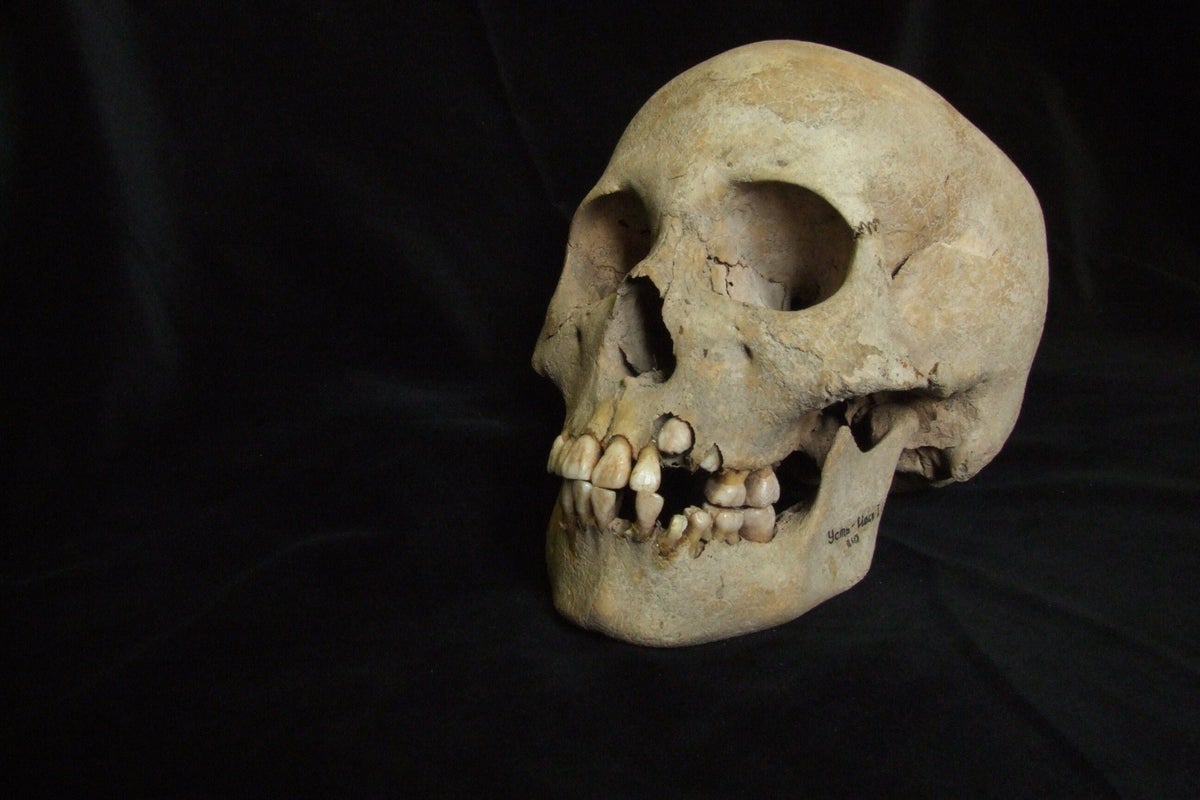
- Scientists extract ancient DNA from 42 individuals from Lake Baikal burial sites dated to about 5,000–5,500 years ago.
- They detect genetic evidence of plague (Yersinia pestis) in 18 individuals.
- The evidence indicates plague was present in Siberia during the ancient period studied.
- Researchers use the findings to inform understanding of plague history and potential patterns of emergence.
Scientists say the find could provide clues on how pathogens may emerge in the future
2 months agoResearchers detected plague in 18 of 42 individuals analyzed from 5,000-year-old Lake Baikal burial sites in Siberia.
2 months ago
Trump administration considers land transfer involving a parcel of Yosemite for access to private development
The Trump administration is considering transferring a small parcel of Yosemite National Park to a private developer, re...

Trump signs executive order creating U.S. Space Academy for military and civilian space workforce
President Donald Trump signs an executive order to create the U.S. Space Academy, a new space-focused institution intend...
CBC tells staff not to describe 9/11 as “terrorist attacks,” prompting backlash
The Canadian Broadcasting Corporation (CBC) circulates internal guidance instructing journalists not to refer to the Sep...